VHF and Marine Radio Certificates in the UK: SRC, LRC, ROC and GOC
Two things are needed to use marine VHF legally: a certificate for the operator and a licence for the equipment. Which certificate you need depends on the ship, not the radio.


It keeps students and the academic community informed about the latest advancements and international opportunities.

It contributes to the development of research, writing, and critical analysis skills in students and young professionals.

It supports the international visibility and reputation of NMI as an academic and scientific reference point.

It fosters global collaboration with universities, research centres, and companies in the maritime and technological sectors.

Two things are needed to use marine VHF legally: a certificate for the operator and a licence for the equipment. Which certificate you need depends on the ship, not the radio.
Marine operations is the job title that appears in every shipping advert and is never explained. Here is what sits under it and how to get there.
Contamination causes most hydraulic failures at sea, and almost all of it is avoidable. A practical tour of marine hydraulic systems and the faults that stop ships.
“Maritime technology” covers six distinct disciplines with different jobs at the end. Here is what each one actually is, and how to choose between them.
Cold ironing is an electrical engineering and grid-capacity problem before it is an environmental one. What the EU requires from 2030, and why UK ports are investing anyway.
The fuel debate is usually argued in megatonnes. On board it is argued in tank volume, double-walled piping and training certificates. Here is what each fuel really changes.
Offshore wind is the largest employer of marine skills in the UK outside the merchant fleet. Here is the actual job map and the routes into each part of it.
Adoption was adjourned in October 2025 and the decision now sits with MEPC 85 in December 2026. What the draft would require, and what to do in the meantime.

Most UK trade moves by sea, and most of the jobs are ashore. The roles in maritime logistics, how to get in without sea time, and where demand is growing.

Hydrographic surveyors map the seabed for charts, ports and offshore wind. What the work involves, the qualifications that count, and why UK demand is rising.

Ships are now networked industrial sites. What maritime cyber security involves, why IMO rules made it mandatory, and how people move into the field from IT or from sea.
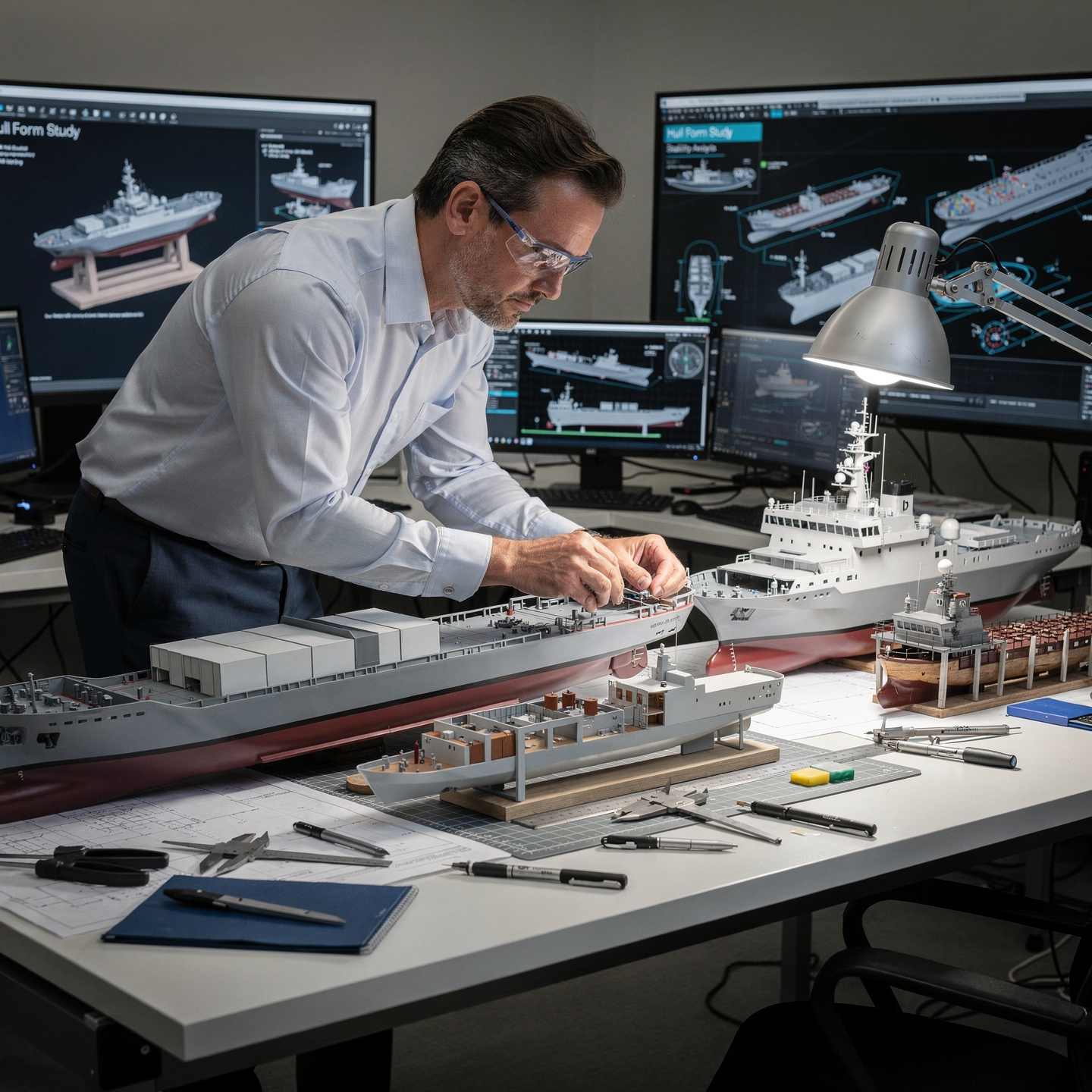
Naval architects design what floats. What the work actually involves, where UK naval architects are employed, the degree and chartership route, and where demand is growing.

Chartering and port agency are where shipping makes its money. What brokers and agents actually do, how people get in, and why neither requires sea time.
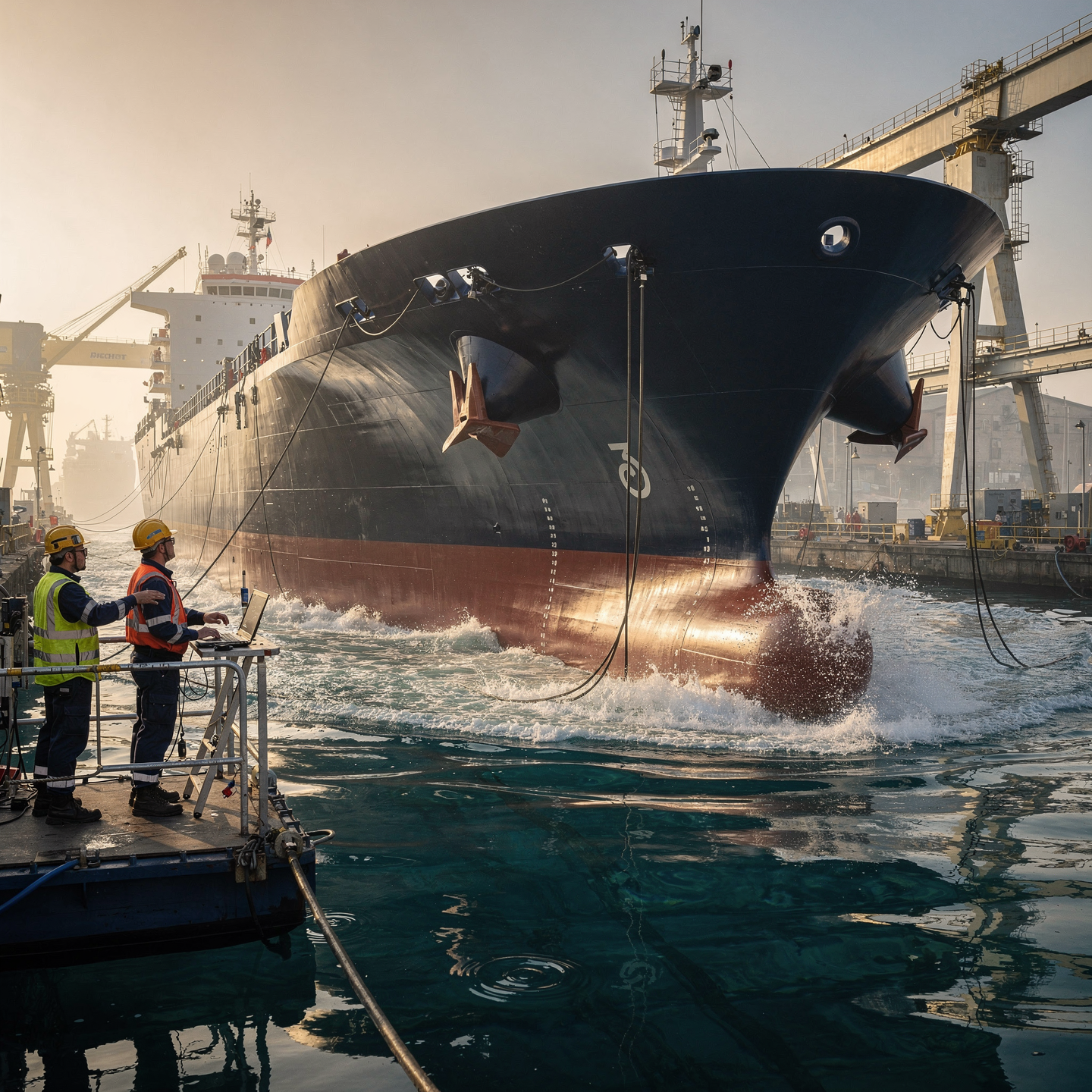
Marine pilotage is one of the best-paid shore-based maritime careers. The experience ports require, how authorisation works, and what the training actually involves.
Dynamic positioning is one of the most valuable tickets a deck officer can hold. The certification scheme, the DP sea time, and which sectors are short of operators.

GWO and STCW are not alternatives. Which one your offshore wind role actually requires, where they overlap, and how to avoid paying for training twice.

Offshore wind is short of experienced mariners. Which vessels and roles exist, what extra training you need, how rotations compare, and how to make the move.
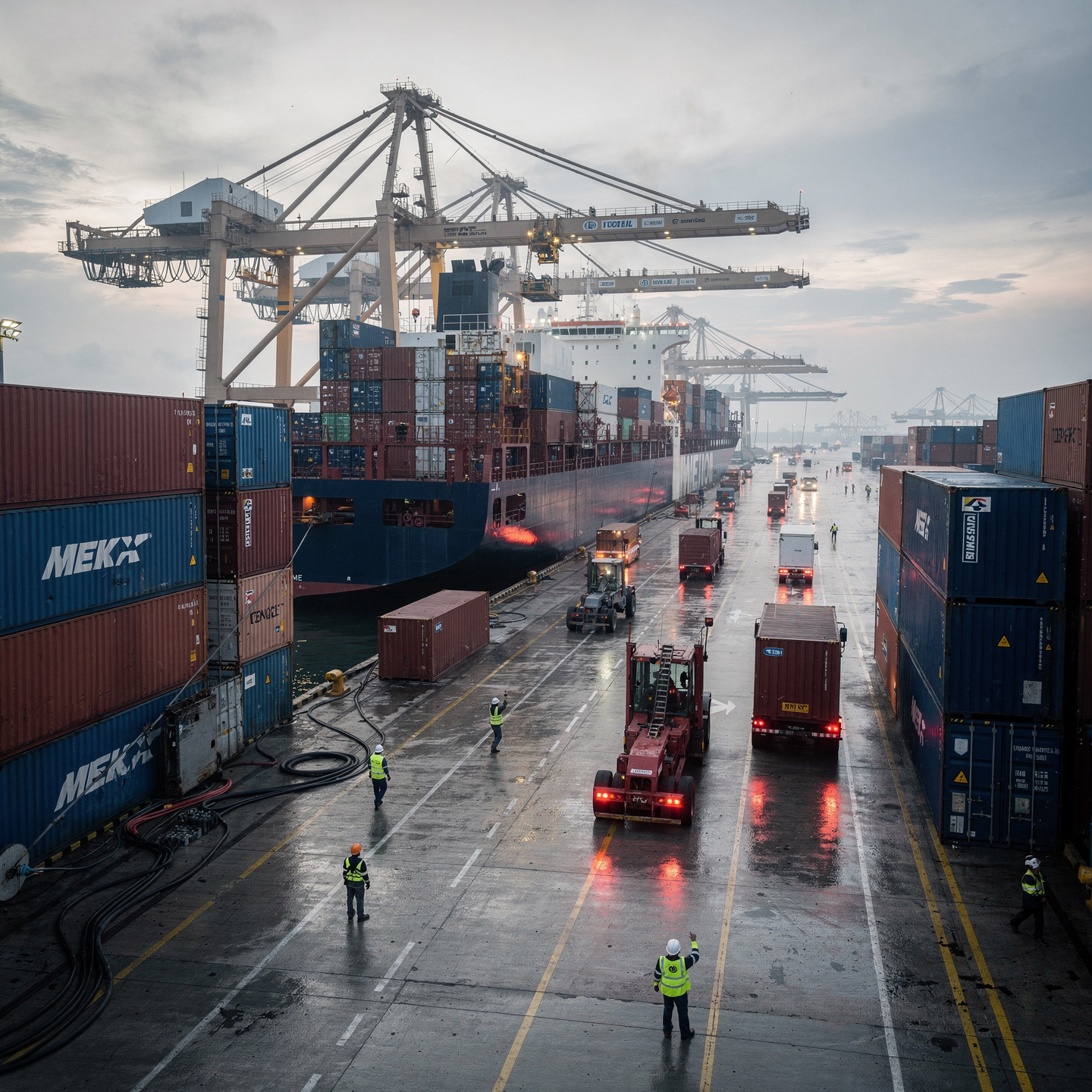
What a harbour master actually does, the legal powers of the role, the career route through sea time and port operations, and the qualifications UK ports ask for.
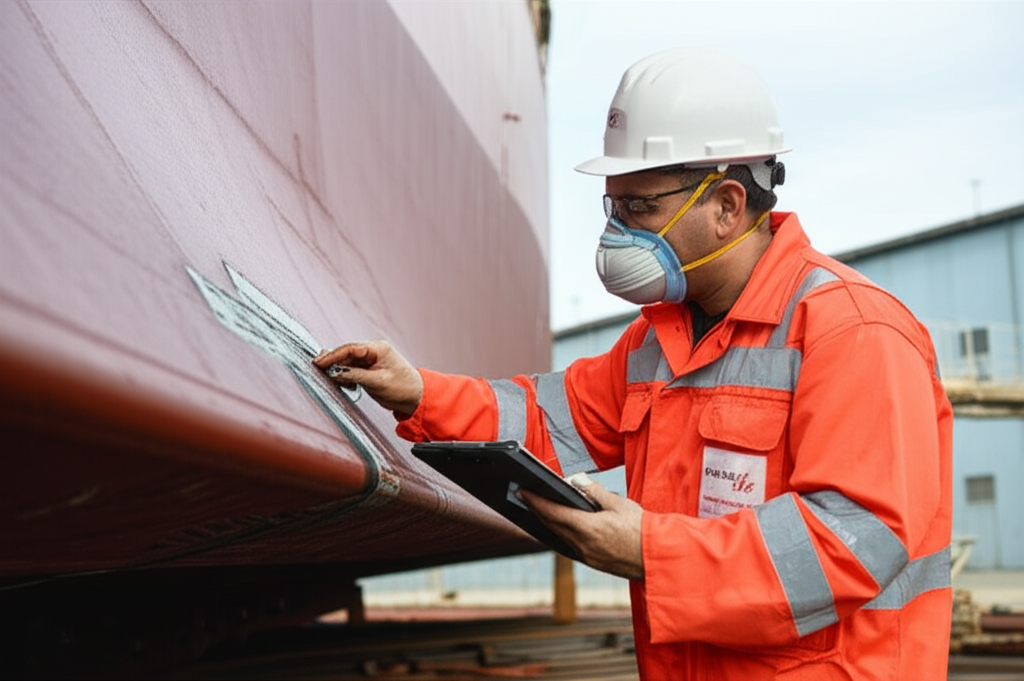
Marine surveying is one of the best-paid shore jobs in shipping. The types of survey, the route in, the professional bodies that matter, and what the work is really like.
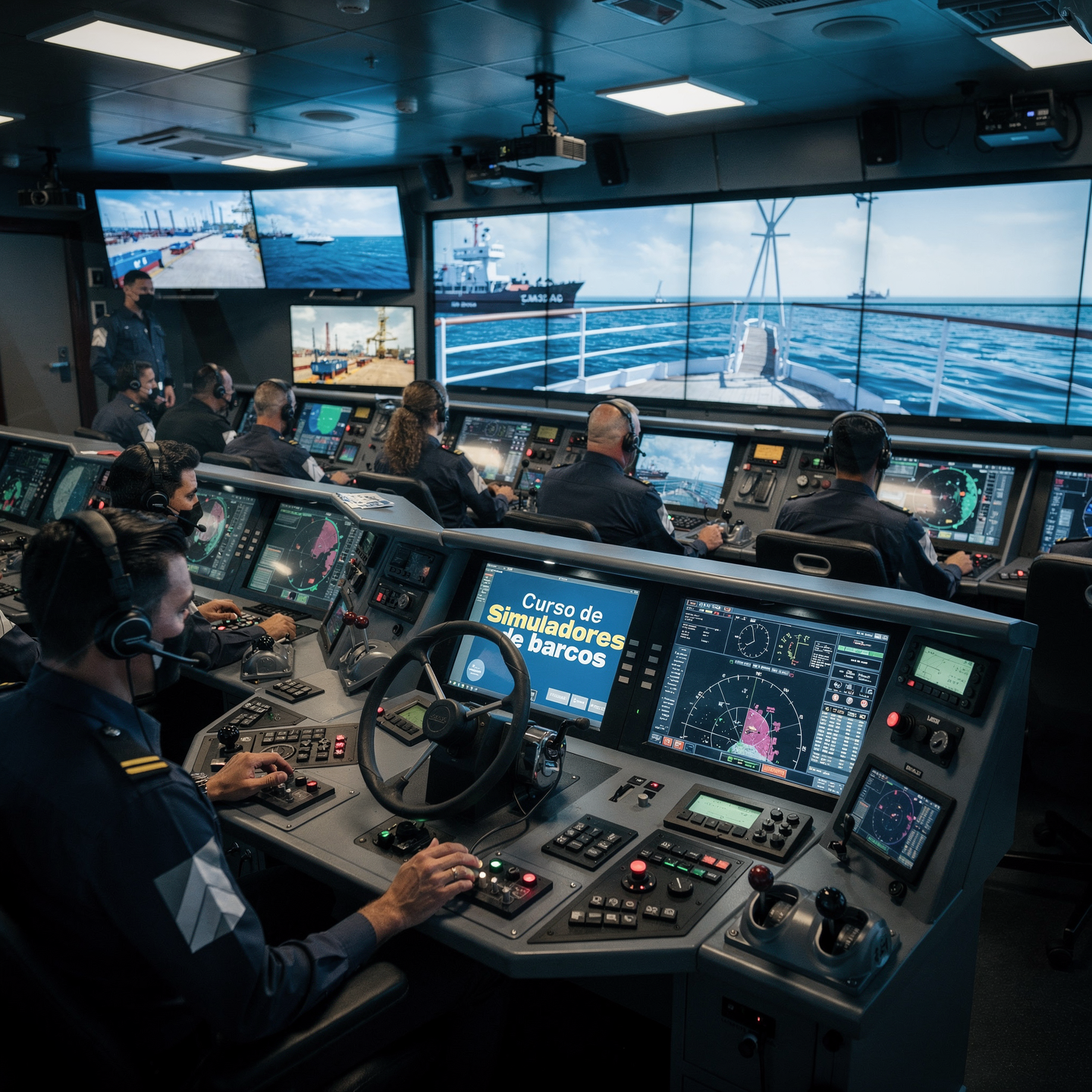
How a UK maritime cadetship works: who sponsors it, how deck and engineering routes differ, what the sea phases are really like, and how to make an application that lands.

How the MCA Certificate of Competency works, from Officer of the Watch to Master Unlimited: the sea time, the exams and the oral, stage by stage.
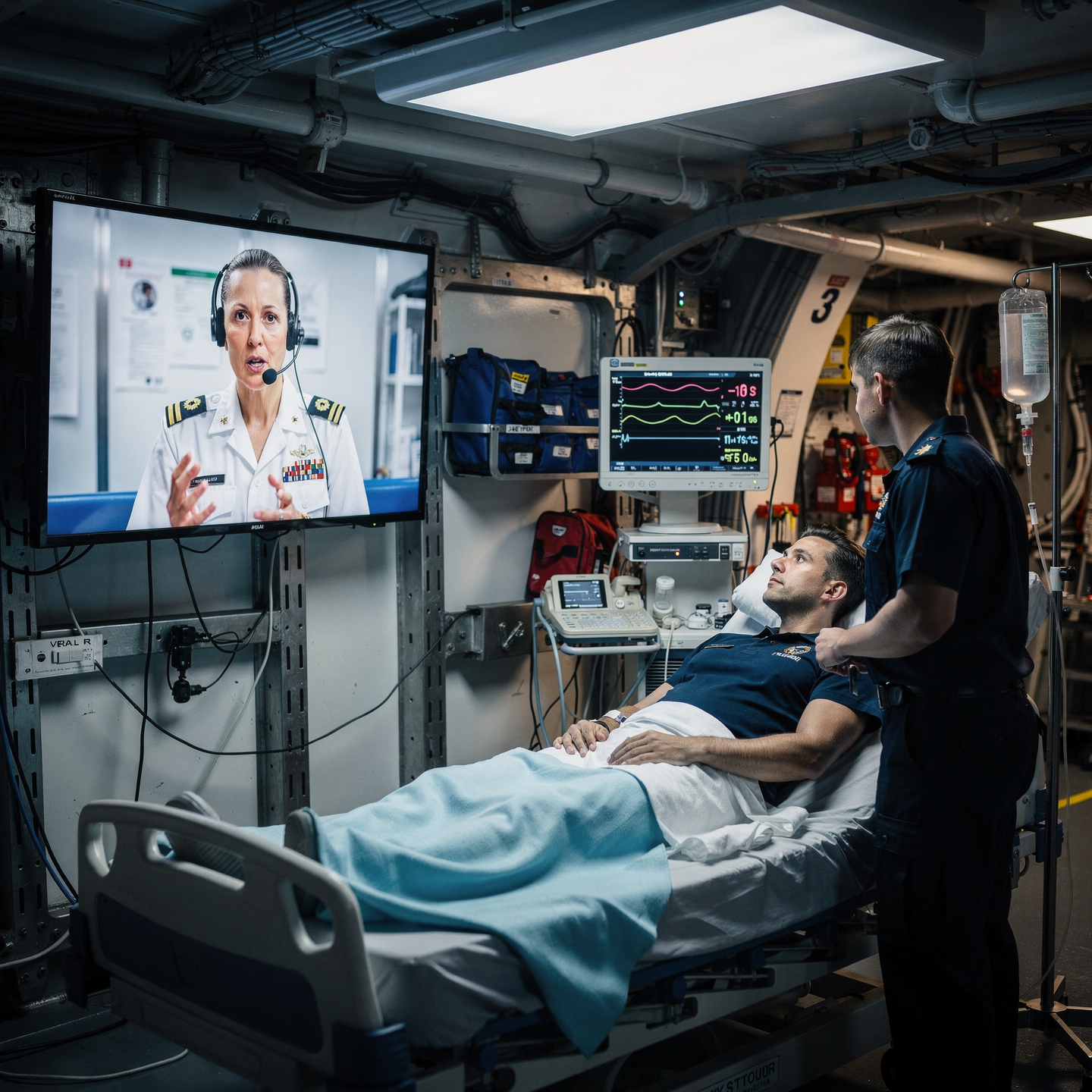
The ENG1 is the seafarer medical you need before any career at sea. What the examination covers, the common reasons for failure, and your options if you do not pass.

STCW Basic Safety Training is the legal minimum for working at sea. What the four modules cover, how long it takes, and what it does and does not qualify you for.
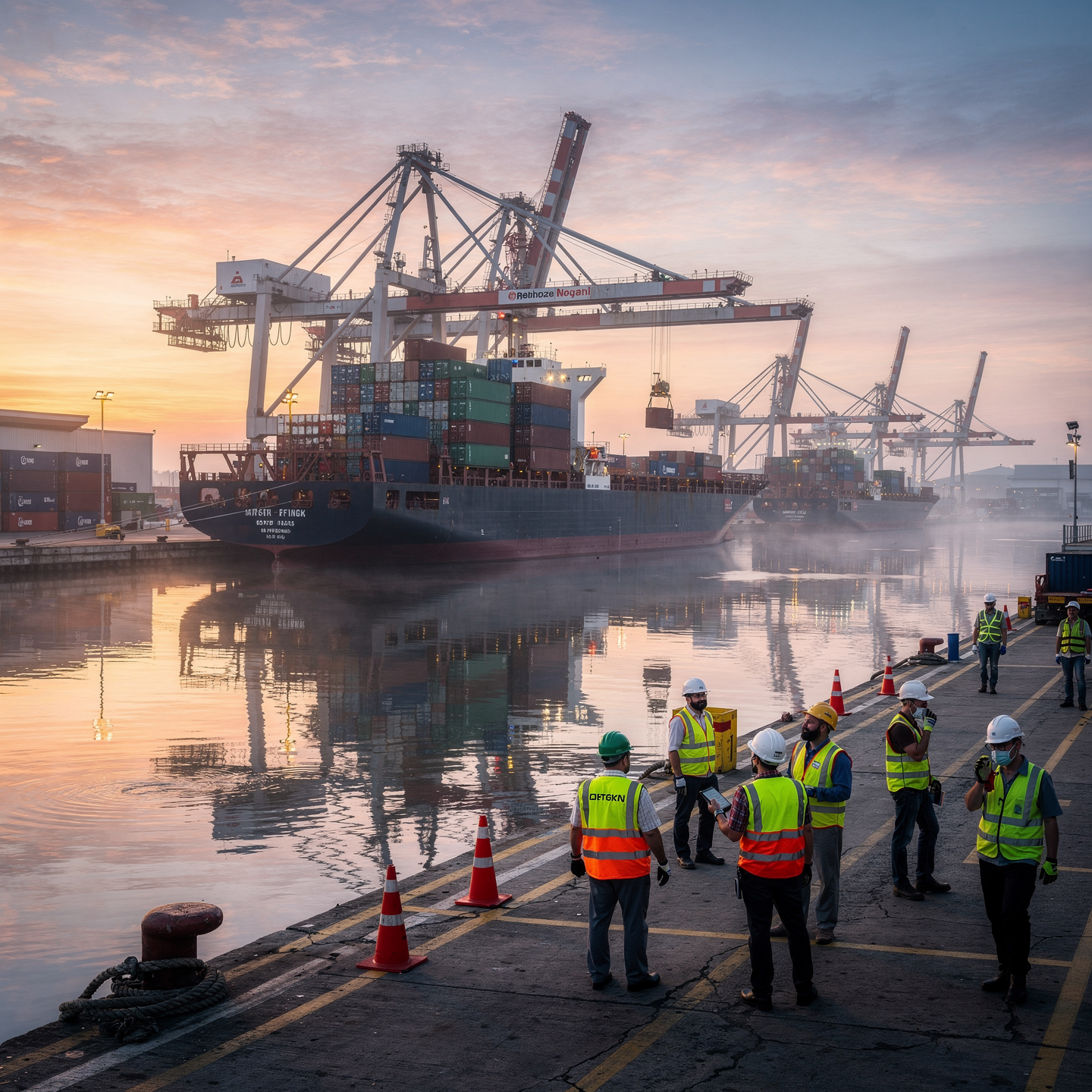
An honest account of how Navalis Magna Institute works: the online teaching model, the faculty, published fees, who it suits, and what it explicitly does not do.
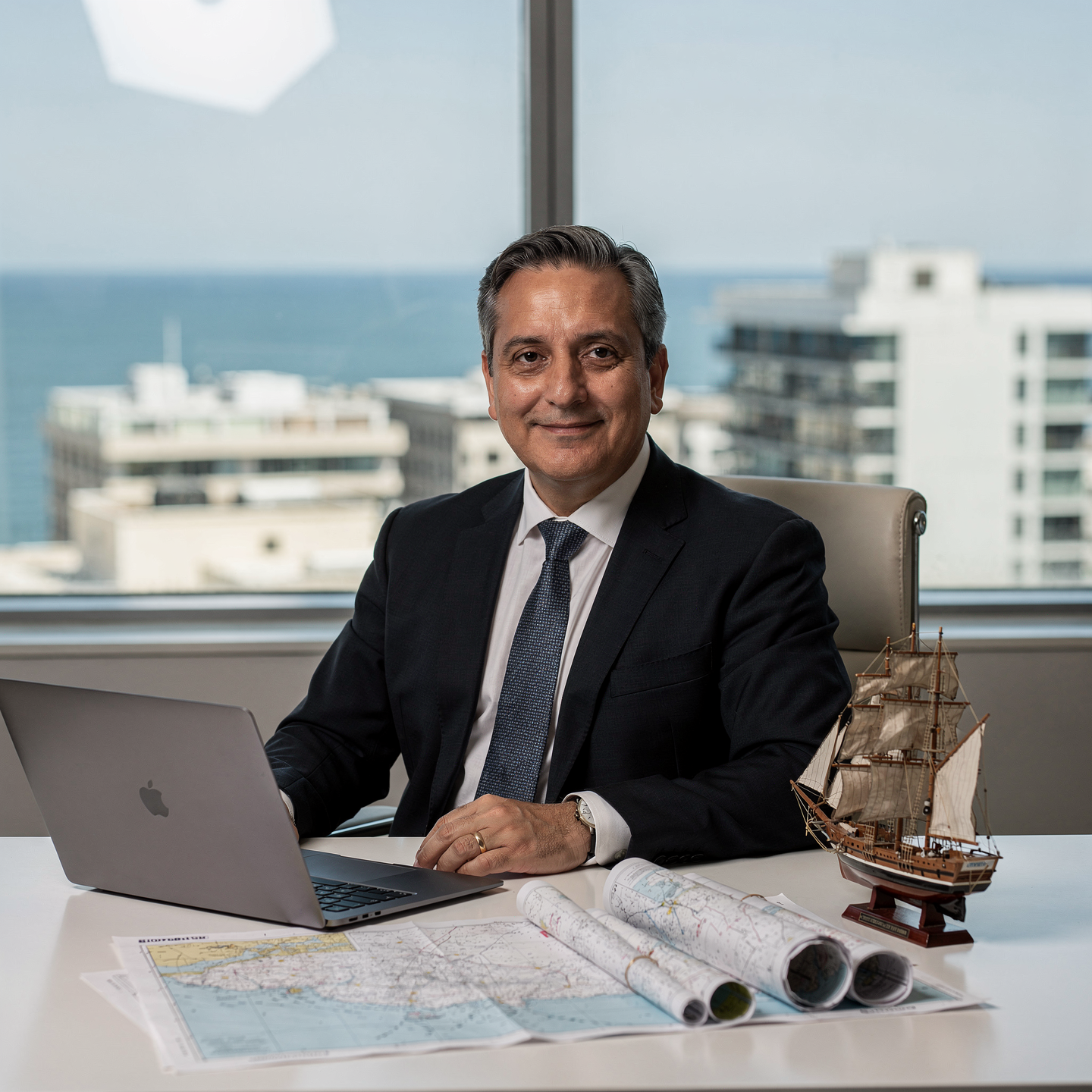
The eight specialists who design and teach the programmes: navigation, meteorology, naval architecture, propulsion, electrical, materials, welding and academic quality.
The certification ladder from cadet to master, what the job is like at each stage, what nobody mentions in recruitment material, and where study genuinely helps.
Why yacht interiors are not floating flats: weight, structure, fire regulations and the marine environment, the three kinds of work, and the realistic routes in.
What underwater welding really requires: why the diving qualification comes first, wet versus hyperbaric welding, the real cost, how pay is structured, and where study fits.
Why documented safety systems still produce accidents: the four recurring failure modes, where incidents cluster, what useful drills look like, and what really works.
Marina economics, yield and berth allocation, the daily operation, safety in a recreational environment, environmental obligations and the careers in the sector.

Hull, P&I, cargo and specialist covers explained, how claims are investigated and decided, general average, and why sea experience is directly valuable in the field.
ROVs, AUVs and resident systems explained: what the work involves, which sectors are hiring, what an ROV pilot technician really does, and how to get into the field.
Metacentric height, righting levers, free surface effect and damage stability explained practically, with the recurring ways ships become unstable and the careers involved.
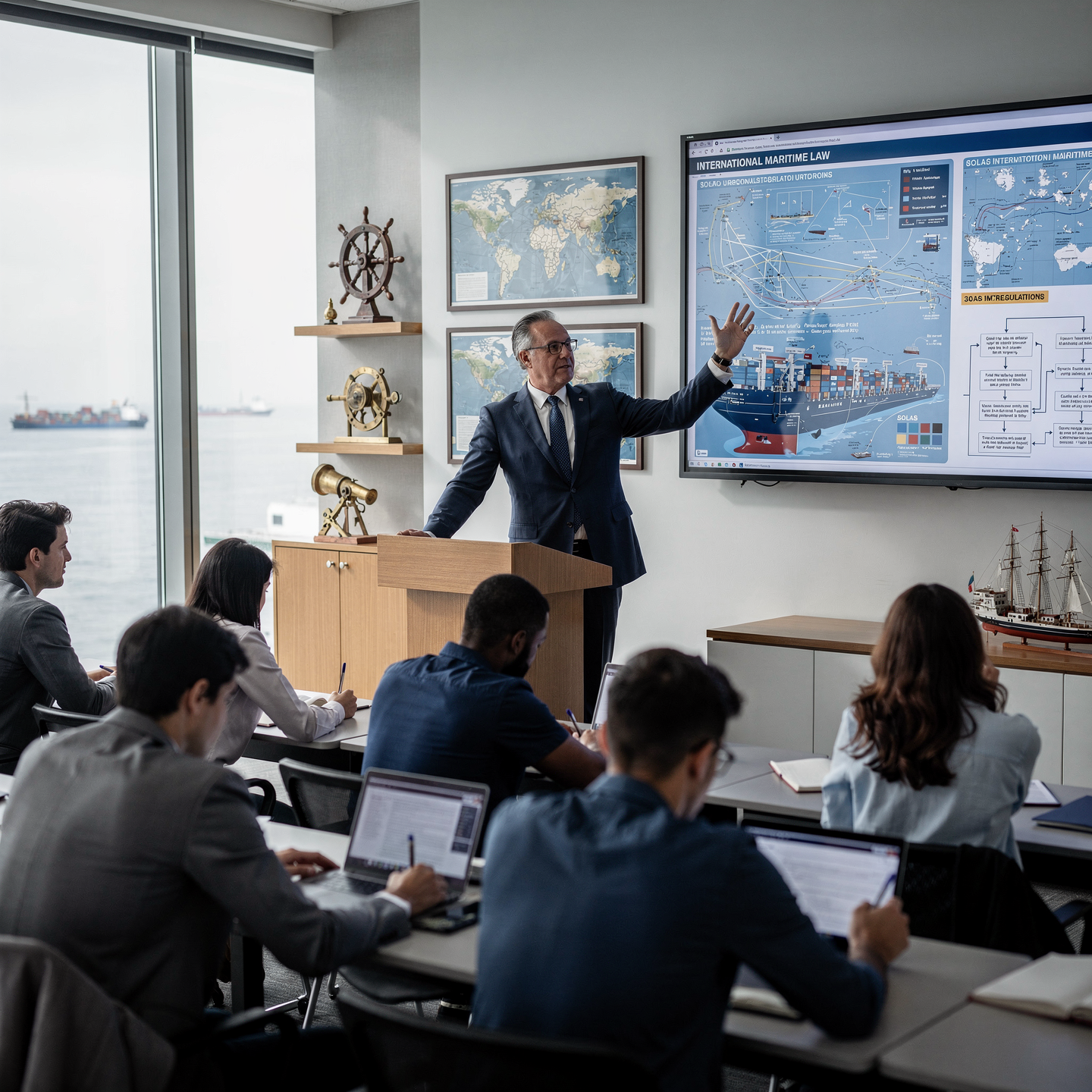
The four layers of maritime law, what port state control actually looks at, where charterparty disputes come from, and the shore careers built on understanding it.
How the superyacht and charter sector really operates: seasons, charter contracts, guest experience, yacht engineering, safety, and the careers at sea and ashore.
What marine engineers actually do, how maintenance and propulsion are changing, where engineers land ashore, and which study is worth doing at which stage.
Radar, AIS, electronic charts and the human factors behind them: what each system really tells you, where watchkeepers get caught out, and what to study.
A working guide to container terminal operations: planning, berthing, the four numbers that run a terminal, horizontal transport, and the jobs the field creates.

A working guide to maritime decarbonisation: the four kinds of obligation, the levers ranked by what actually works, the data problem, and the jobs it creates.
Nine shore-based maritime roles explained: what each involves, what transfers from a seagoing career, and the training that closes the gap.

Compliance Is Not Paperwork; It Is Operational Control In maritime and naval environments, safety and compliance are not abstract concepts.

Ports Are Where Maritime Complexity Becomes Real Work Ports are the meeting point of shipping schedules, terminal constraints, safety requirements,

Why Digital Maritime Competence Is Now a Core Employability Signal Maritime operations have always been technology-forward, but in the last

Excellence in International Naval & Maritime Education — Why the UK Remains a Global Benchmark When professionals search for maritime