

Home > Campus & International Locations
Global presence, local expertise: maritime education within the world's reach
Overview of International Campuses
Navalis Magna University (NMU) is projected as a global educational institution, combining academic excellence with state-of-the-art infrastructure and strategic locations in key international trade and shipping hubs. Each campus has been selected to ensure access to ports, marinas, research centers, and high-level maritime ecosystems, allowing our students to receive practical, professional, and research training in real-world environments.
Our campuses are designed to provide a comprehensive educational experience that combines:
Modern classrooms equipped with state-of-the-art technology for theoretical classes and virtual simulations.
Naval innovation laboratories, with prototypes of vessels, propulsion systems, and marine renewable energy.
Practice ports and open water training areas for maneuvers, recreational and professional navigation, as well as safety and rescue tests.
Digital and physical libraries with access to international publications, scientific research, and global maritime databases.
Student residences and common areas that foster multicultural integration and international academic exchange.
Navalis Magna University
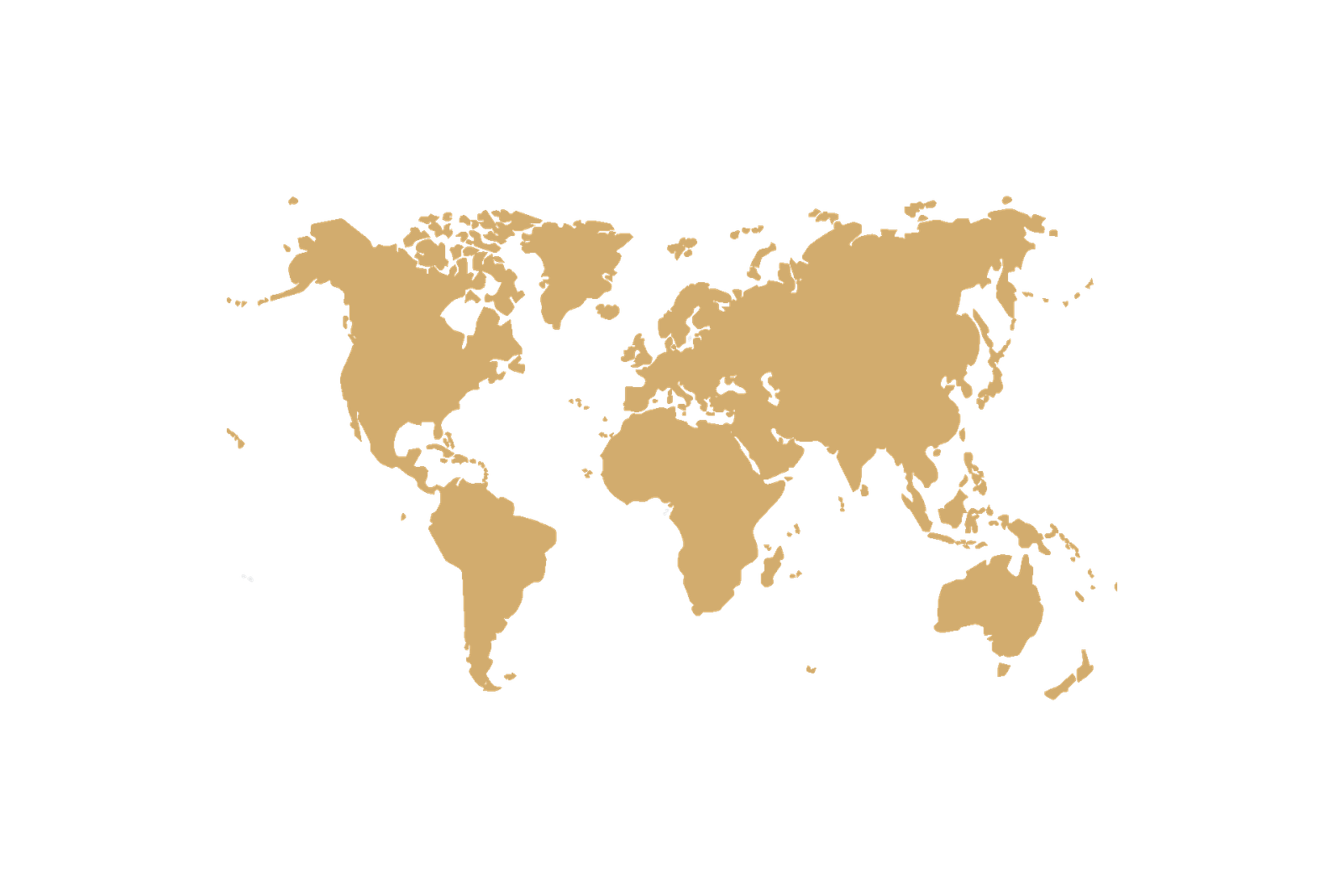
To ensure global reach, NMU has strategic locations in five key regions around the world:
Year of inauguration: 2025
Valencia has been chosen as the strategic European headquarters due to its maritime history, port infrastructure, and proximity to international trade and logistics centers. This headquarters houses:
NMU Europe’s central administrative and academic campus.
Innovation laboratory for marine renewable energy and fleet efficiency.
Navigation simulators and nautical training rooms.
Practical training port with access to recreational, commercial, and research vessels.
Maritime Erasmus exchange programs and agreements with European universities.
The Valencia headquarters allows students to immerse themselves in European maritime culture, learn languages, participate in international projects, and obtain professional certifications valid throughout the European Union.
Year of inauguration: 2026
Buenos Aires is positioned as the gateway to the South Atlantic and a strategic center for logistics, trade, and naval training in Latin America. The headquarters includes:
Academic campus with naval engineering and ship maintenance laboratories.
Marina for professional and recreational sailing practices on the Río de la Plata and the open sea.
Research programs in marine biodiversity, port sustainability, and renewable energy.
Agreements with local ports and Latin American shipping companies.
Student residences with a multicultural and international focus.
This campus allows students to gain practical experience in real-world environments, participate in applied research, and obtain certifications valid in Latin America and other international regions.
International Expansion and Strategic Presence
NMU seeks to expand its global network with complementary locations in strategic cities around the maritime world, including:

Singapur:
Asian hub for maritime trade and logistics

Miami, United States:
Connection with the shipping industry and global maritime tourism.

Dubai, United Arab Emirates:
Center for innovation in maritime transport and renewable energy.

Rotterdam, Netherlands:
Europe's largest port and center for advanced port management training.

Dr. Ahmed El-Sayed
(United Arab Emirates)
Innovation in fleet management and international maritime trade.
Each campus will enable academic exchange, professional internships, and participation in international projects, consolidating NMU as a truly global, innovative university connected to the naval industry.