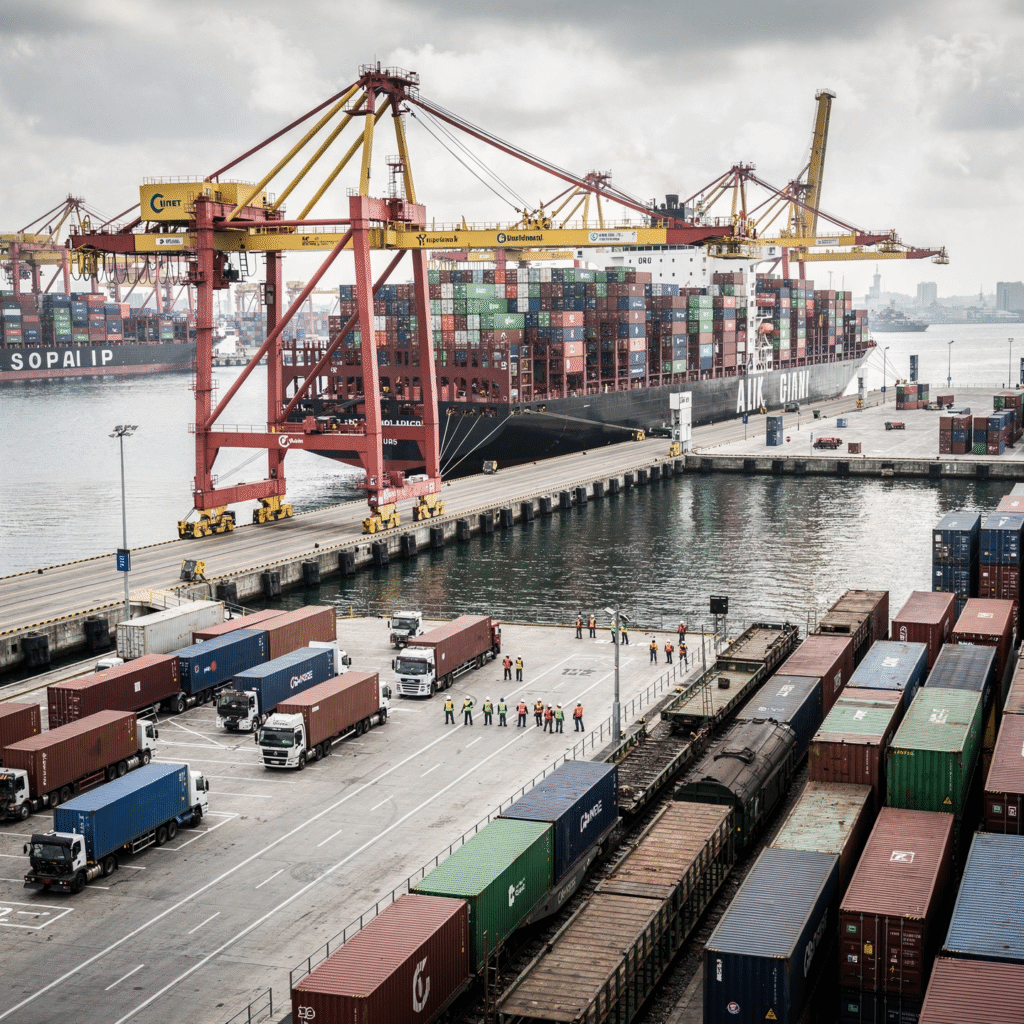
Maritime Logistics and Supply Chain: Where the Shore Jobs Actually Are
Most UK trade moves by sea, and most of the jobs are ashore. The roles in maritime logistics, how to get in without sea time, and where demand is growing.


Most UK trade moves by sea, and most of the jobs are ashore. The roles in maritime logistics, how to get in without sea time, and where demand is growing.

Hydrographic surveyors map the seabed for charts, ports and offshore wind. What the work involves, the qualifications that count, and why UK demand is rising.

Ships are now networked industrial sites. What maritime cyber security involves, why IMO rules made it mandatory, and how people move into the field from IT or from sea.
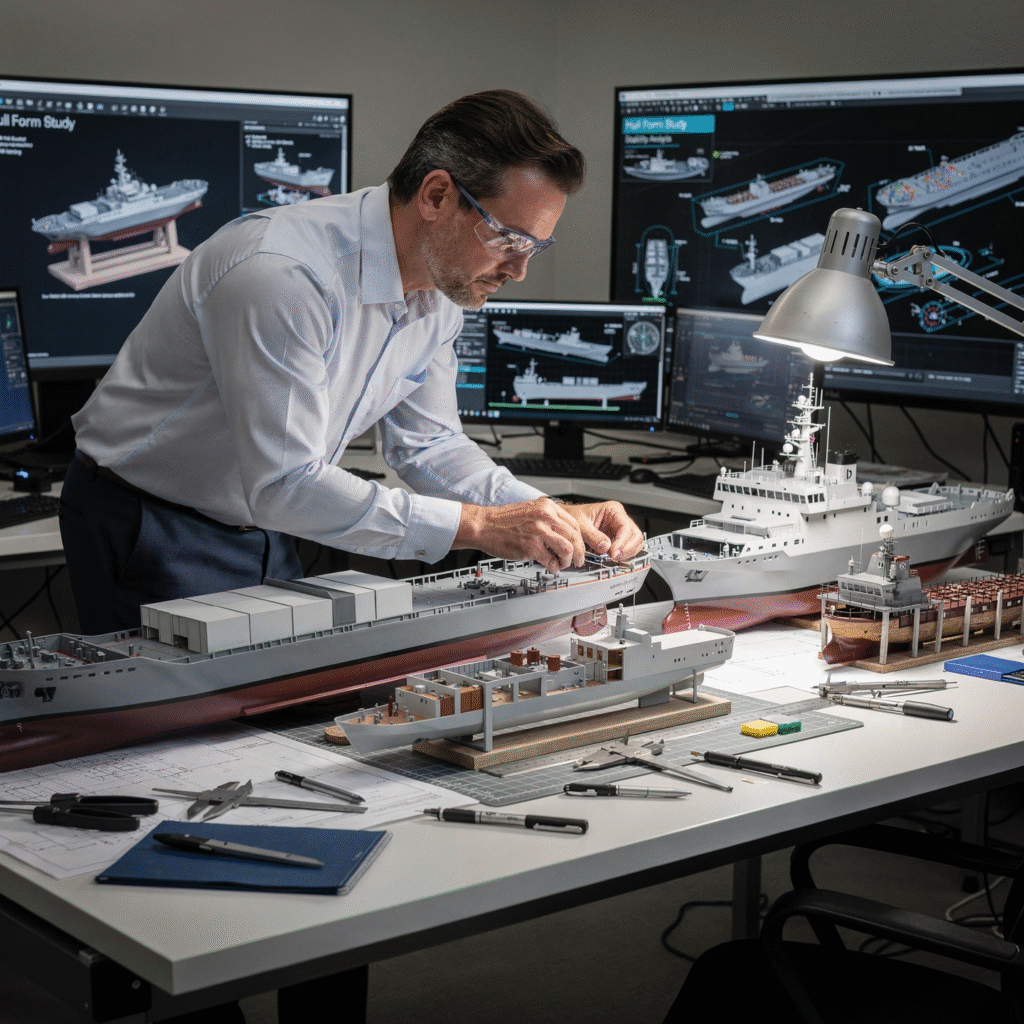
Naval architects design what floats. What the work actually involves, where UK naval architects are employed, the degree and chartership route, and where demand is growing.

Chartering and port agency are where shipping makes its money. What brokers and agents actually do, how people get in, and why neither requires sea time.
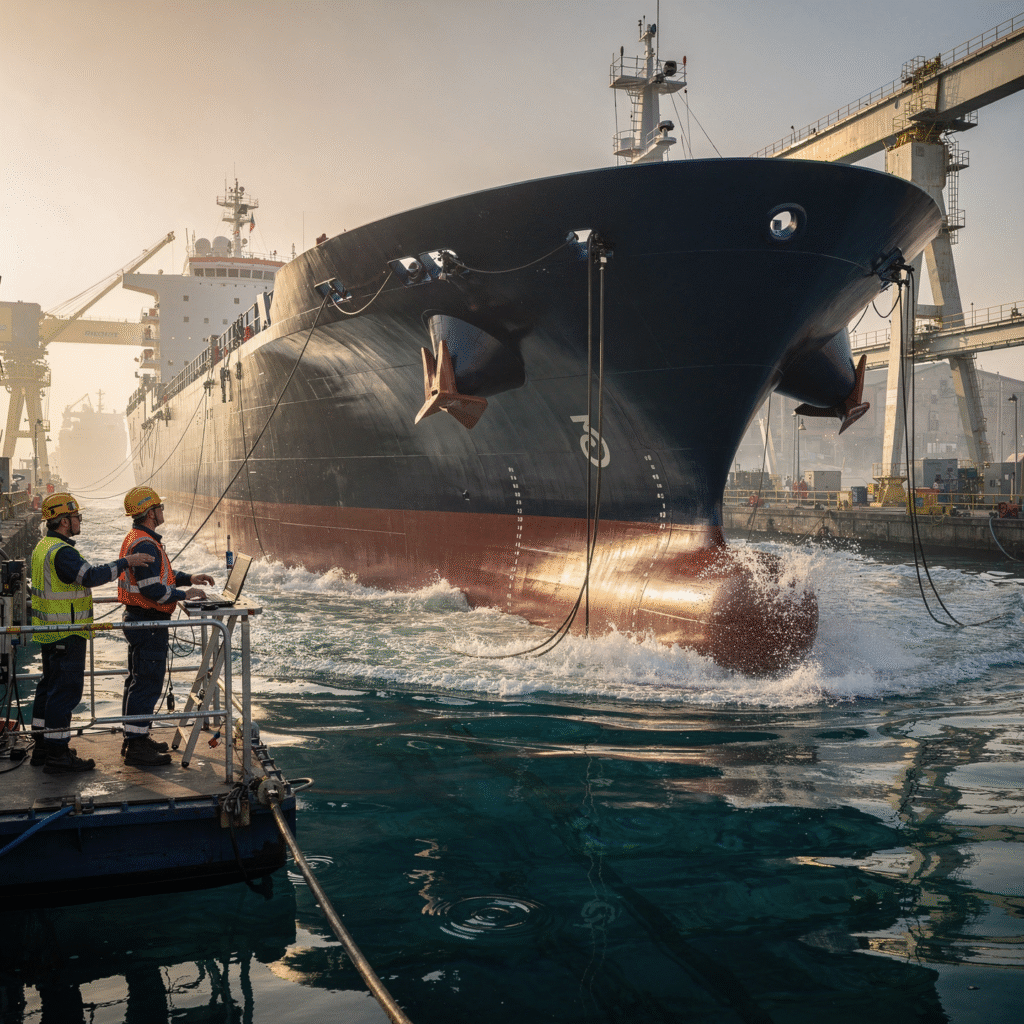
Marine pilotage is one of the best-paid shore-based maritime careers. The experience ports require, how authorisation works, and what the training actually involves.
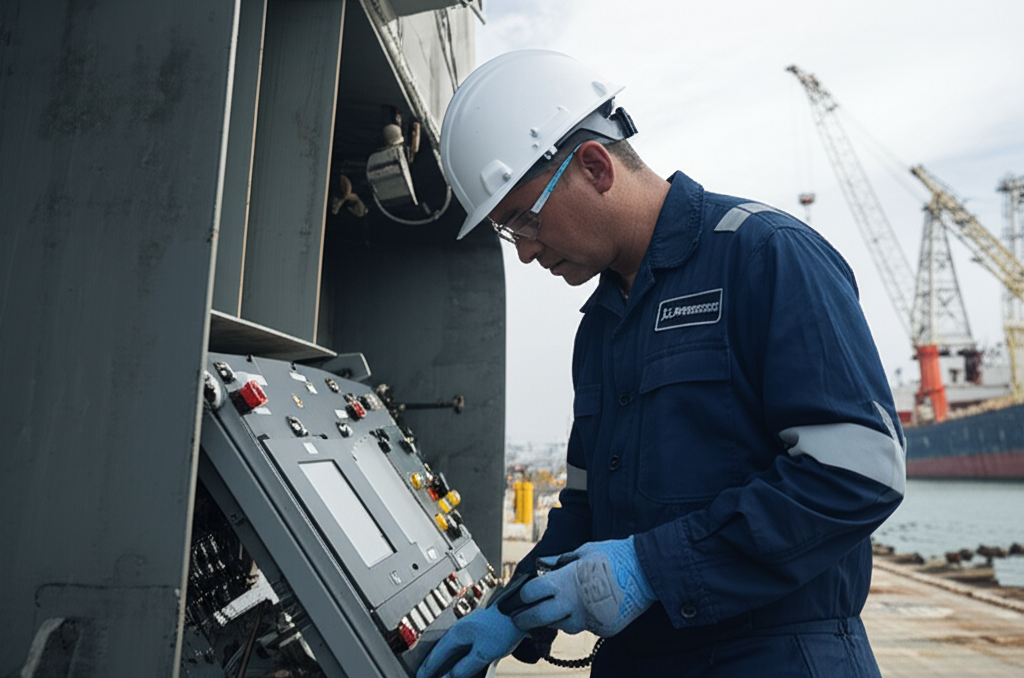
Dynamic positioning is one of the most valuable tickets a deck officer can hold. The certification scheme, the DP sea time, and which sectors are short of operators.
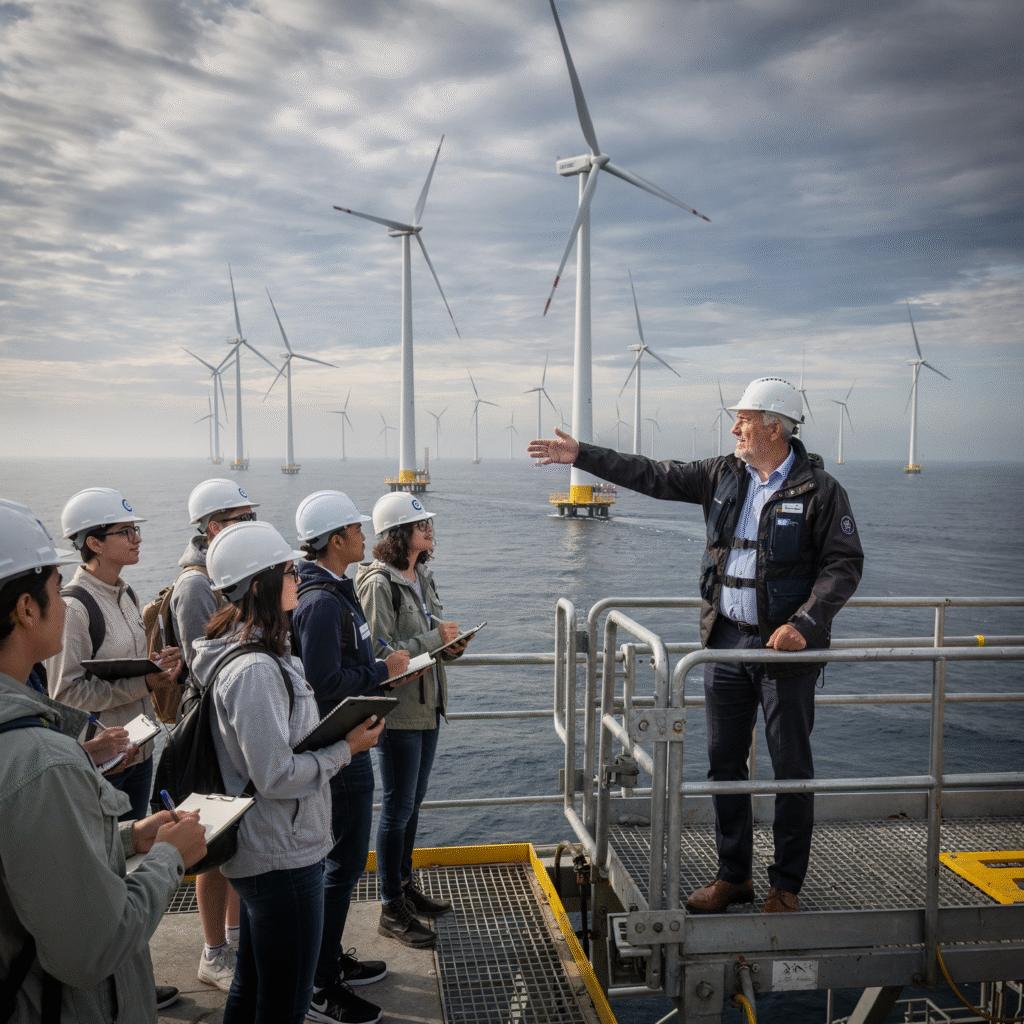
GWO and STCW are not alternatives. Which one your offshore wind role actually requires, where they overlap, and how to avoid paying for training twice.

Offshore wind is short of experienced mariners. Which vessels and roles exist, what extra training you need, how rotations compare, and how to make the move.
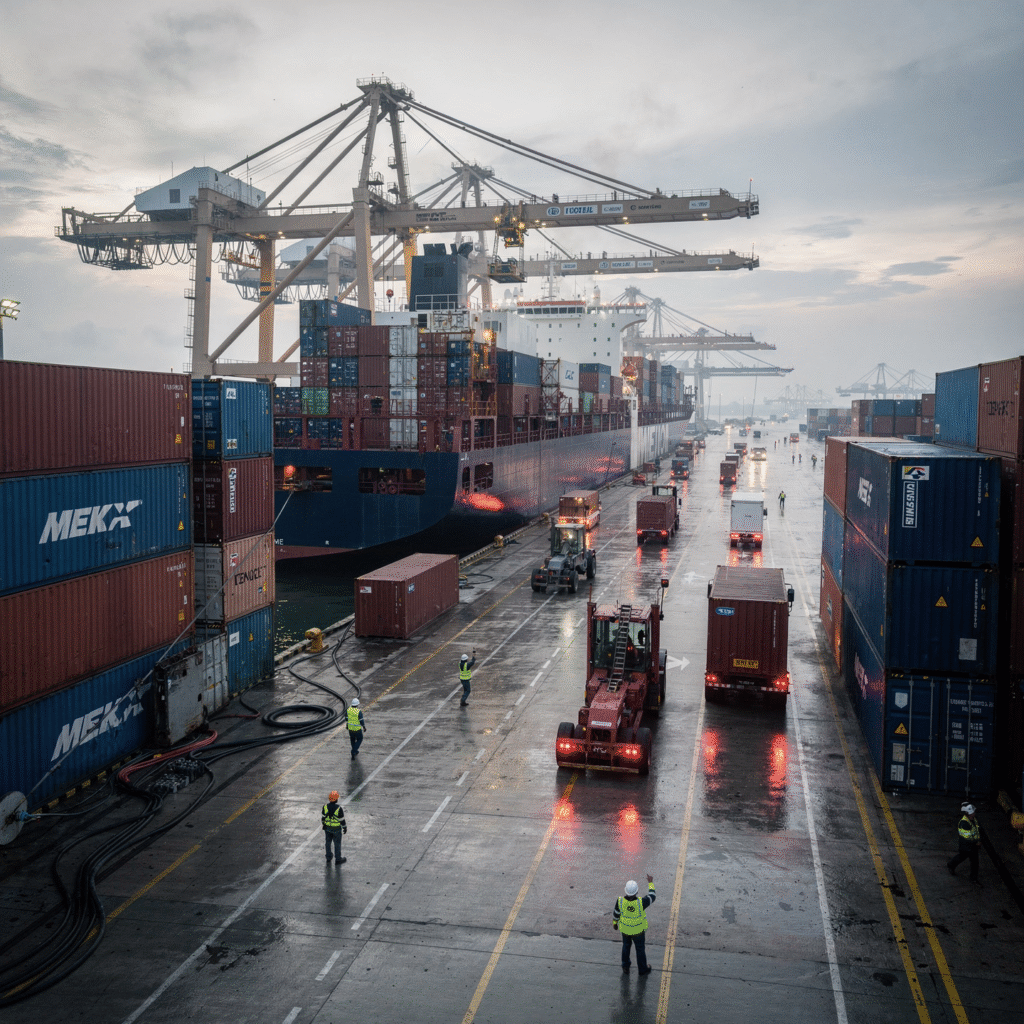
What a harbour master actually does, the legal powers of the role, the career route through sea time and port operations, and the qualifications UK ports ask for.