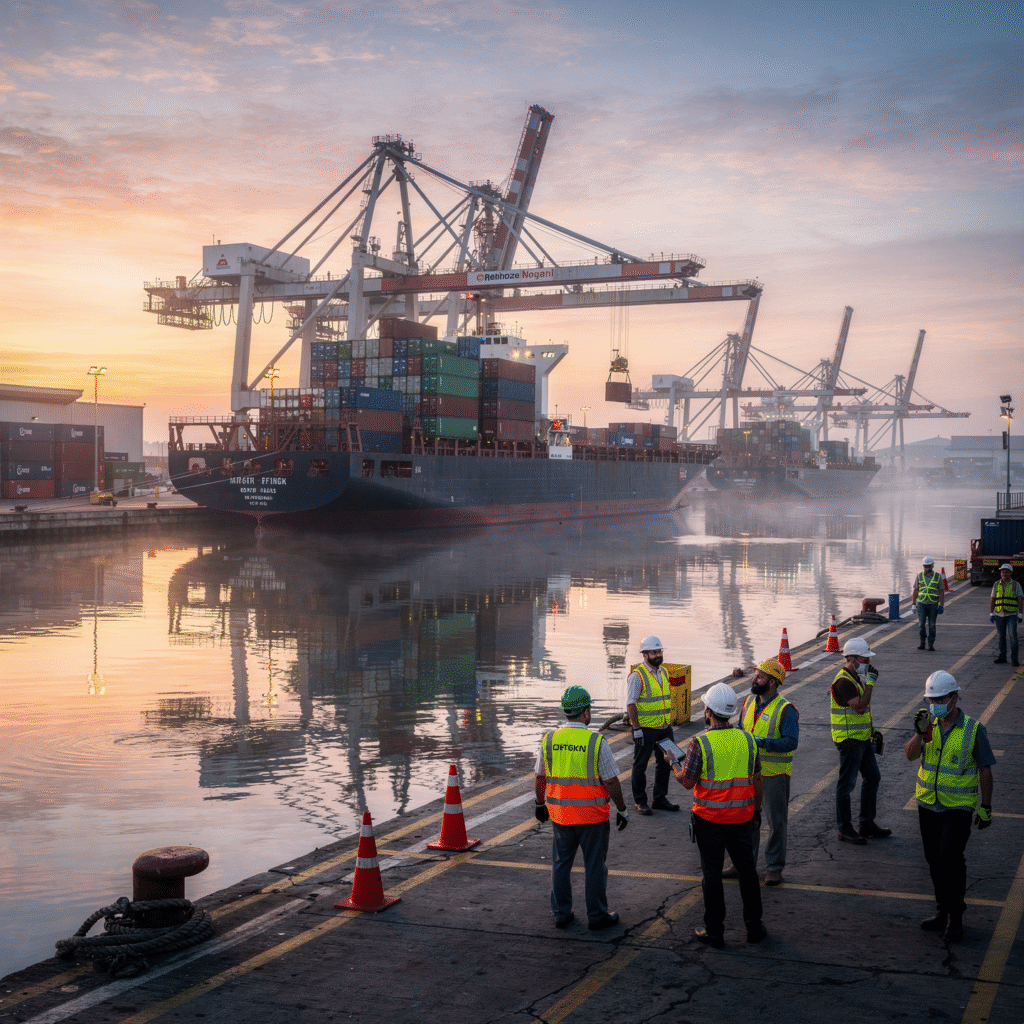
Why Safety Management Systems Fail, and What Actually Prevents Accidents at Sea
Why documented safety systems still produce accidents: the four recurring failure modes, where incidents cluster, what useful drills look like, and what really works.


Why documented safety systems still produce accidents: the four recurring failure modes, where incidents cluster, what useful drills look like, and what really works.
Marina economics, yield and berth allocation, the daily operation, safety in a recreational environment, environmental obligations and the careers in the sector.

Hull, P&I, cargo and specialist covers explained, how claims are investigated and decided, general average, and why sea experience is directly valuable in the field.
ROVs, AUVs and resident systems explained: what the work involves, which sectors are hiring, what an ROV pilot technician really does, and how to get into the field.
Metacentric height, righting levers, free surface effect and damage stability explained practically, with the recurring ways ships become unstable and the careers involved.

The four layers of maritime law, what port state control actually looks at, where charterparty disputes come from, and the shore careers built on understanding it.
How the superyacht and charter sector really operates: seasons, charter contracts, guest experience, yacht engineering, safety, and the careers at sea and ashore.
What marine engineers actually do, how maintenance and propulsion are changing, where engineers land ashore, and which study is worth doing at which stage.
Radar, AIS, electronic charts and the human factors behind them: what each system really tells you, where watchkeepers get caught out, and what to study.
A working guide to container terminal operations: planning, berthing, the four numbers that run a terminal, horizontal transport, and the jobs the field creates.