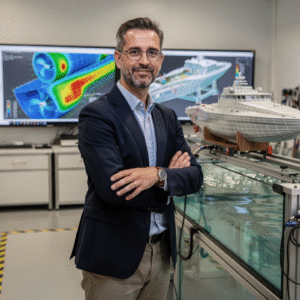
Master’s Degree in Fish Farming and Marine Genetics

Why this master’s programme?

The Master in Aquaculture and Marine Genetics

This program prepares you to lead the sustainable aquaculture of the future. Learn to optimize the production of marine species through applied genetics, advanced nutrition, and comprehensive health management. Master intensive and extensive farming techniques, aquaculture facility design, and strategies to minimize environmental impact. This program provides you with the tools to drive innovation in a constantly growing sector with global demand.

Differential Advantages

  • Cutting-edge Genetics: Marker-assisted selection, genetic improvement, and conservation of marine biodiversity.
  • Nutrition and Feeding: Formulation of optimized diets, use of alternative ingredients, and efficient feed management.
  • Animal Health and Welfare: Disease prevention and control, biosecurity, and stress management in aquaculture.
  • Sustainability and Environmental Management: Environmental impact assessment, certification, and good aquaculture practices.
  • Hands-on Experience: Visits to aquaculture facilities, research projects, and opportunities for professional internships.
Piscicultura

Master’s Degree in Fish Farming and Marine Genetics

Availability: 1 in stock

Who is it aimed at?

  • Marine biologists and aquaculturists seeking specialization in genetic improvement and optimization of aquaculture production.
  • Fisheries engineers and aquaculture technicians interested in applying cutting-edge technologies for the selection and reproduction of marine species.
  • Researchers and scientists wishing to delve deeper into genomics applied to fish farming and the conservation of marine resources.
  • Entrepreneurs and managers of aquaculture companies seeking to increase efficiency and profitability through the application of genetic principles.
  • Graduates in Marine Sciences and Veterinary Medicine seeking a differentiating profile in the aquaculture sector with a focus on marine genetics.

Flexibility and applicability
Designed for professionals and students: 24/7 accessible online content, practical case studies, and connections with industry experts.

Piscicultura

Objectives and skills

Develop and implement genetic improvement programs to optimize the production and quality of farmed marine species:

“Design and implement genetic selection protocols, targeted crosses and progeny evaluation to identify and propagate individuals with superior growth characteristics, disease resistance and nutritional quality, maximizing the yield and commercial value of cultivated species.”

Design and manage efficient and sustainable aquaculture facilities, optimizing resource use and minimizing environmental impact:

“Implement advanced aquaculture recirculation systems (RAS), monitoring critical parameters (oxygen, pH, ammonia) and adjusting variables to maximize production with minimal energy consumption and effluent discharge.”

Leading applied research projects in marine aquaculture, generating innovative knowledge to solve production and health challenges:

“To design and execute rigorous scientific studies, analyzing data with statistical precision and interpreting results to develop viable and sustainable technological solutions.”

Formulate aquaculture feeding and nutrition strategies to maximize fish growth, health, and welfare:

Design optimized diets, considering specific requirements by species, life stage and environmental conditions, and implement feeding protocols that minimize waste and improve feed conversion.

Diagnosing and controlling diseases in marine crops, applying preventive and therapeutic measures to guarantee the health of the stocks:

“Identify common pathogens, implement biosafety protocols, and administer pharmacological/alternative treatments based on laboratory analysis.”

Market fishery and seafood products in compliance with current quality standards and regulations:

“Classify and label the product according to its freshness, origin and species, guaranteeing traceability and compliance with health regulations.”

Study plan – Modules

  1. Fundamentals of molecular genetics applied to marine species: DNA, RNA, proteins, and gene expression processes
  2. Advanced tools and techniques in genetic analysis: Genomic sequencing, microsatellites, SNPs, and PCR in fish farming
  3. Population structure studies: Gene flow, genetic drift, and differentiation among aquaculture populations
  4. Statistical and bioinformatics models for genetic data analysis: Specialized software, heterozygosity and inbreeding analysis
  5. Genetic selection and improvement in marine fish: Crossbreeding strategies, quantitative genetics, and phenotypic trait analysis
  6. Identification and management of genetic variability to prevent loss of diversity in captive populations
  7. Application of genetic analysis in the traceability and certification of aquaculture species: Tools to combat fraud and illegal trade
  8. Implications of the Genetics in disease resistance and productivity improvement in modern aquaculture

    Integrating molecular genetics with sustainable management practices for the conservation of marine genetic resources

    Case studies and practical applications: successful applied genetics projects in the global fishing industry and addressing future challenges

  1. Fundamentals of molecular genetics in aquatic organisms: DNA structure, replication, transcription, and translation in marine species
  2. Advanced genomic sequencing techniques: NGS (Next Generation Sequencing), RAD-seq, and Whole Genome Sequencing applied to the genetic characterization of fish populations
  3. Molecular markers in fish farming: microsatellites, SNPs, and their application in the identification, traceability, and management of gene banks
  4. CRISPR-Cas9 genome editing and emerging technologies: design, implementation, and ethical considerations in the genetic improvement of marine species
  5. Biotechnology applied to resistance against viral, bacterial, and parasitic diseases in intensive aquaculture systems
  6. Functional genomics and transcriptomics: gene expression analysis under environmental stress and pathogens for the development of resilient strains
  7. Computational models and bioinformatics for phenotype prediction and marker-assisted selection (MAS) in genetic improvement programs
  8. Legal, regulatory, and biosafety aspects of genetic manipulation of aquatic organisms in commercial aquaculture
  9. Design and management of genetic improvement programs: selection, controlled crosses, and genetic evaluation in advanced fish farms
  10. Success stories and applied studies in genetic improvement of commercial species: salmonids, tilapia, shrimp, and other relevant marine species
  1. Fundamentals of molecular genetics applied to aquaculture: DNA, RNA, proteins, and their gene expression in marine species
  2. Advanced genomic sequencing tools: NGS, digital PCR, and hybridization techniques for the characterization of aquatic genomes
  3. Molecular markers and their application in genetic improvement: microsatellites, SNPs, and RFLPs in fish and crustacean populations
  4. Design of selective breeding programs: genetic, phenotypic, and environmental criteria for optimizing sustainable production
  5. Population analysis and genetic structure: estimation of genetic diversity, inbreeding, gene flow, and population differentiation using advanced statistical models
  6. Functional genomics and CRISPR-Cas9 gene editing: potential and challenges in improving productive traits and disease resistance
  7. Bioinformatics models for the analysis of large genomic datasets: assembly,
  8. Annotation and comparison of sequences in farmed marine species
  9. Environmental and genetic impact assessment in multi-species aquaculture programs: biodiversity conservation and mitigation of introgressive risks
  10. Application of molecular genetics in the traceability and origin certification of aquaculture products for international markets
  11. International and ethical standards in the genetic manipulation of aquatic organisms: regulation, biosafety, and sustainability policies
  1. Fundamentals of Integrated Management in Marine Farms: Principles, Scope, and Environmental and Health Regulatory Framework.
  2. Design and Planning of Aquaculture Systems: Site Selection, Hydrodynamic and Geochemical Evaluation, Flow Models, and Water Quality for Biophysical Environment Optimization.
  3. Infrastructure and Technologies for Aquaculture: Analysis of Floating Systems, Submerged Cages, Recirculating Systems, and Biofloc Systems, Considering Structural Strength and Operational Efficiency.
  4. Assisted Reproduction in Marine Species: Advanced Hormone Induction Techniques, In Vitro Fertilization, Controlled Incubation, and Larval Management with Automated Viability Monitoring Systems.
  5. Applications of Molecular Genetics in Aquaculture: Genotypic Selection, Marker-Assisted Genetic Improvement, and CRISPR-Cas for Disease Resistance and Productivity Enhancement.
  6. Biosecurity and Health Management: Prevention Protocols and Early Detection and pathogen control, as well as legal aspects and international certifications for aquaculture health.
  7. Precision nutrition in marine species: formulation of diets based on metabolic profiles, ingredient digestibility, incorporation of probiotics, and monitoring using advanced sensor technology.

    Sustainable production optimization: analysis of economic and production indicators, efficient use of resources, and strategies for minimizing environmental impact through a circular economy in aquaculture.

    Monitoring and automation systems: integration of IoT sensors, artificial intelligence for real-time monitoring, predictive modeling of environmental conditions, and biological responses of farmed populations.

    Certification and traceability: national and international standards, protocols for obtaining quality seals such as GlobalGAP and ASC, and evaluation of corporate social responsibility in the aquaculture value chain.

  1. Fundamentals of Aquaculture Biotechnology: A review of molecular principles applied to marine organisms and their relevance in modern fish farming.
  2. Advanced Gene Editing Techniques: CRISPR-Cas9, TALENs, and zinc finger nucleases, with specific applications in aquatic species for targeted genetic improvement.
  3. Design and Development of High-Productivity Marine Cultures: Genotypic and Phenotypic Selection Based on Criteria for Disease Resistance, Accelerated Growth, and Environmental Adaptation.
  4. Optimization of Culture Systems: Integration of biotechnologies with Recirculating Aquaculture Systems (RAS) and Multi-Trophic Aquaculture (IMTA) to maximize productivity and sustainability.
  5. Application of Functional Genomics and Transcriptomics in Phenotypic Improvement: Identification of key biomarkers and metabolic pathways for the development of new, superior genetic lines.
  6. Biosafety and Environmental Control Methodologies in Cultures Genetically modified organisms: risk assessment, influence on marine ecosystems, and current international regulations.
  7. Bioinformatics applied to fish farming: analysis of genomic and proteomic data for the prediction of phenotypic traits and efficient genetic improvement.

    Epigenetic editing tools in aquatic organisms: mechanisms, practical applications, and potential for rapid adaptation to changing environmental conditions.

    Implementation of bioreactors and microfluidic systems for cellular and embryonic manipulation in commercially important marine species.

    Case studies and recent advances: critical analysis of innovative projects in marine genetics and their impact on sustainable productivity and long-term profitability.

  1. Fundamentals of molecular genetics applied to marine aquaculture: DNA and RNA structure, transcription and translation mechanisms in key marine species
  2. Advanced genetic analysis techniques: quantitative PCR, next-generation sequencing (NGS), and gene editing using CRISPR-Cas9 for the genetic characterization of fish populations
  3. Functional genomics and transcriptomics: bioinformatics tools for identifying genes associated with productive and adaptive traits in farmed species
  4. Design and application of molecular markers (microsatellites, SNPs) for studies of genetic diversity, relatedness, and population structure in genetic improvement programs
  5. Assisted genetic selection strategies: mating schemes, estimation of genetic values, and statistical models for optimizing sustainable genetic improvement
  6. Implementation of genetic improvement programs incorporating disease resistance, tolerance to adverse environmental conditions, and accelerated growth
  7. Managing genetic diversity and preventing inbreeding in farmed populations: kinship analysis, methods for maintaining genetic variability, and genetic conservation techniques
  8. Integrating emerging biotechnologies into fish farming: genome editing, transgenesis, and the application of omics tools to increase productivity and resilience
  9. Impact of molecular genetics on environmental sustainability: risk assessment associated with the release of genetically enhanced organisms and biosafety in aquaculture systems
  10. Case studies and field study: application of molecular techniques in real-world genetic improvement programs for commercial marine species, critical analysis of results, and implementation strategy
  1. Fundamentals of molecular genetics applied to marine fish farming: DNA, RNA, and principles of genetic inheritance in aquatic species
  2. Advanced genomic sequencing techniques: next-generation sequencing (NGS), whole genome analysis, and transcriptomics applied to marine species
  3. Gene editing and CRISPR-Cas9: molecular mechanisms, practical applications for genetic improvement, and ethical considerations in aquaculture settings
  4. Bioinformatics and genomic data analysis: computational tools for the identification of genetic markers, phenotype optimization, and genetic quality control
  5. Bioengineering in aquaculture systems: design of bioreactors and recirculating aquaculture systems (RAS) integrated with biotechnologies for improved sustainable production
  6. Genetic evaluation of germlines: marker-assisted selection, development of breeding programs and management of genetic diversity in marine populations

    Disease resistance and genetic improvement: identification of associated genes, application of molecular techniques for immunization, and biosecurity strategies

    Integration of emerging biotechnologies: epigenetics, metagenomics, and synthetic biology in the optimization of aquaculture production

    Regulatory aspects and international standards in the application of molecular genetics and bioengineering in marine fish farming

    Case studies and applied projects: practical implementation of genetic and biotechnological innovations to increase efficiency and sustainability in marine fish farming systems

  1. Fundamentals of predictive models in aquaculture: mathematical principles, machine learning algorithms, and neural networks applied to the behavior and development of marine species
  2. Integration of big data in fish farming: capturing environmental, biological, and operational data to feed real-time predictive models
  3. Development of ecophysiological models for predicting growth, reproduction, and stress response in marine species under variable aquaculture conditions
  4. Advanced application of CRISPR-Cas9 genome editing: design, delivery, and evaluation of target genes for improving adaptive traits and disease resistance in marine organisms
  5. Bioinformatics tools for gene selection: genomic, transcriptomic, and epigenomic analysis geared toward adaptation and performance in smart aquaculture systems
  6. Predictive models for optimizing automated aquaculture systems: integration of IoT sensors, environmental control, and real-time genetic feedback real
  7. Genome editing strategies for pathogen resistance: molecular mechanisms, experimental validation, and monitoring in marine populations
  8. Impact of genome editing on biodiversity and biosecurity: international regulations, risk assessment, and containment protocols
  9. Case studies and practical applications in the development of adaptive marine species through genome editing and predictive modeling
  10. Emerging trends and technological outlook: artificial intelligence, next-generation genome editing, and their role in sustainable aquaculture
  1. Fundamentals of molecular genetics applied to fish farming: DNA, RNA, genomes, and their relevance in marine species
  2. Advanced genomic sequencing tools: NGS techniques, massive genotyping, and bioinformatics analysis for aquatic resources
  3. Reproductive biotechnology in marine species: gamete manipulation, in vitro fertilization, and cryopreservation
  4. Gene editing and its potential for improving productive traits: CRISPR-Cas9 and emerging techniques in aquatic organisms
  5. Applications of molecular markers for genomic selection: microsatellites, SNPs, and haplotypes in breeding programs
  6. Studies of genetic diversity and population structure for sustainable management: assessment of variability and minimization of inbreeding in marine aquaculture
  7. Gene expression analysis and molecular biomarkers for optimizing welfare and resistance to Diseases
  8. Metabolic engineering and development of transgenic lines: perspectives and regulations in marine aquaculture

    Integration of biotechnology with farming systems: biosafety, genetic monitoring, and traceability in nurseries and recirculating aquaculture systems

    Computational models and big data in marine genetics: prediction of phenotypes and environmental response for crop optimization

  1. Advanced Fundamentals of Marine Aquaculture: Physiology, Nutrition, and Reproduction of Farmed Species
  2. Principles and Applications of Marine Genetics for Genetic Improvement: Concepts of Heritability, Genetic Variability, and Marker-Assisted Selection
  3. Genomic Editing in Aquatic Species: CRISPR-Cas9 and TALEN Technologies and Their Adaptation for Commercially Important Marine Species
  4. Experimental Design for the Implementation of Bioengineering Techniques in Aquaculture: Planning, Execution, and Statistical Analysis of Genetic Trials
  5. Optimization of Germplasm Banks and Genomic Biobanks: Collection, Conservation, and Advanced Molecular Characterization
  6. Emerging Biotechnologies in Genetic Improvement: Transgenesis, Site-Directed Mutagenesis, and Epigenetic Editing in Marine Species
  7. Environmental Impact Assessment and Biosafety in the Controlled Release of Genetically Modified Organisms (GMOs) in Aquatic Ecosystems
  8. Integration of omics tools (genomics, transcriptomics, proteomics, metabolomics) for the comprehensive analysis of enhanced phenotypes
  9. Computational modeling and simulation in the prediction of genomic and phenotypic effects under marine culture conditions
  10. Strategic planning for sustainable production: balancing productivity, genetic conservation, and animal welfare
  11. International and local regulatory framework on gene editing and bioengineering in aquaculture: legal compliance and ethics in applied research
  12. Advanced methodologies for genetic monitoring and control in intensive and extensive marine fish farming systems
  13. Development of integrated protocols for gene-edited assisted genetic improvement for key aquaculture species (salmonids, mollusks, pelagic fish)
  14. Economic and social evaluation of the implementation of genomic technologies in the aquaculture industry: costs, benefits, and public acceptance
  15. Master’s thesis: Development of an applied project integrating innovative genome editing and bioengineering strategies for the improvement of marine species, with an emphasis on sustainability, productivity, and genetic resilience

Career prospects

“`html

  • Aquaculture Farm Manager: Design, planning, and optimization of production in marine fish farms.
  • Genetic Improvement Specialist: Selection and crossbreeding of marine species to improve productivity and disease resistance.
  • Quality Control Technician: Analysis and evaluation of water quality and seafood products.
  • Sustainable Aquaculture Consultant: Advising companies and public administrations on the implementation of environmentally friendly aquaculture practices.
  • Researcher in Marine Research Centers: Development of new technologies and methodologies for aquaculture and marine genetics.
  • Production Manager in Aquaculture Companies: Supervision and management of all phases of the production process.
  • Sales Technician in Aquaculture product companies: sales and consulting on feed, equipment, and services for aquaculture.

    Aquaculture R&D project manager: design, management, and execution of research and development projects in the field of aquaculture.

    “`

Entry requirements

Academic/professional profile:

Bachelor’s degree in Nautical Science/Maritime Transport, Naval/Marine Engineering or a related qualification; or proven professional experience on the bridge/in operations.

Language proficiency:

Functional Maritime English (SMCP) recommended for simulations and technical materials.

Documentation:

Updated CV, copy of qualification or seaman’s book, national ID/passport, motivation letter.

Technical requirements (for online):

Device with camera/microphone, stable internet connection, monitor ≥ 24” recommended for ECDIS/Radar-ARPA.

Admissions process and dates

Online
application

(form + documents).

Academic review and interview

Admissions decision

Admissions decision

(+ scholarship offer if applicable).

Place reservation

(deposit) and enrolment.

Induction

(access to the virtual campus, calendars, simulator guides).

Scholarships and financial support

  • Cutting-edge genetics: Master the most innovative techniques in selection and genetic improvement of aquatic species.
  • Sustainable fish farming: Learn to optimize production with responsible practices and by minimizing environmental impact.
  • Nutrition and feeding: Delve into diet formulation for maximum fish performance and health.
  • Aquaculture health: Identify and control diseases to guarantee the biosecurity and profitability of your farms.
  • Innovation and technology: Apply the latest technologies and recirculation systems for efficient aquaculture.
Boost your career in a sector in Experience the boom with a master’s degree that gives you the tools to lead the aquaculture of the future.

Testimonials

Frequently asked questions

Both fish farming and the genetics of marine organisms, with a focus on how genetics can improve fish farming.

Yes. The itinerary includes ECDIS/Radar-ARPA/BRM with harbor, ocean, fog, storm, and SAR scenarios.

Online with live sessions; hybrid option for simulator/practical placements through agreements.

Recommended functional SMCP. We offer support materials for standard phraseology.

Yes, with a relevant degree or experience in maritime/port operations. The admissions interview will confirm suitability.

Optional (3–6 months) through Companies & Collaborations and the Alumni Network.

Simulator practice (rubrics), defeat plans, SOPs, checklists, micro-tests and applied TFM.

A degree from Navalis Magna University + operational portfolio (tracks, SOPs, reports and KPIs) useful for audits and employment.

  1. Advanced Fundamentals of Marine Aquaculture: Physiology, Nutrition, and Reproduction of Farmed Species
  2. Principles and Applications of Marine Genetics for Genetic Improvement: Concepts of Heritability, Genetic Variability, and Marker-Assisted Selection
  3. Genomic Editing in Aquatic Species: CRISPR-Cas9 and TALEN Technologies and Their Adaptation for Commercially Important Marine Species
  4. Experimental Design for the Implementation of Bioengineering Techniques in Aquaculture: Planning, Execution, and Statistical Analysis of Genetic Trials
  5. Optimization of Germplasm Banks and Genomic Biobanks: Collection, Conservation, and Advanced Molecular Characterization
  6. Emerging Biotechnologies in Genetic Improvement: Transgenesis, Site-Directed Mutagenesis, and Epigenetic Editing in Marine Species
  7. Environmental Impact Assessment and Biosafety in the Controlled Release of Genetically Modified Organisms (GMOs) in Aquatic Ecosystems
  8. Integration of omics tools (genomics, transcriptomics, proteomics, metabolomics) for the comprehensive analysis of enhanced phenotypes
  9. Computational modeling and simulation in the prediction of genomic and phenotypic effects under marine culture conditions
  10. Strategic planning for sustainable production: balancing productivity, genetic conservation, and animal welfare
  11. International and local regulatory framework on gene editing and bioengineering in aquaculture: legal compliance and ethics in applied research
  12. Advanced methodologies for genetic monitoring and control in intensive and extensive marine fish farming systems
  13. Development of integrated protocols for gene-edited assisted genetic improvement for key aquaculture species (salmonids, mollusks, pelagic fish)
  14. Economic and social evaluation of the implementation of genomic technologies in the aquaculture industry: costs, benefits, and public acceptance
  15. Master’s thesis: Development of an applied project integrating innovative genome editing and bioengineering strategies for the improvement of marine species, with an emphasis on sustainability, productivity, and genetic resilience

Request information

  1. Complete the Application Form.

  2. Attach your CV/degree certificate (if you have it to hand).

  3. Indicate your preferred cohort (January/May/September) and whether you would like the hybrid option with simulator sessions.

    An academic advisor will contact you within 24–48 hours to guide you through the admission process, scholarships, and compatibility with your professional schedule.

Please enable JavaScript in your browser to complete this form.
Click or drag a file to this area to upload.

Faculty

0
    0
    Tu carrito
    Tu carrito esta vacíoRegresar a la tienda
    Scroll to Top