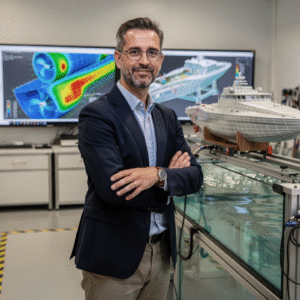
Diploma in the Transport of Hazardous Goods
Why this certificate program?
The Diploma in Hazardous Materials Transport
This program provides you with the tools and expert knowledge to safely and efficiently manage the transport of hazardous materials, complying with national and international regulations. Learn to correctly identify, classify, package, label, and document goods, minimizing risks and optimizing the logistics chain. This program prepares you to be a highly sought-after professional in the sector.
Differential Advantages
- Up-to-date Regulations: IATA, IMDG, ADR, RID, and national regulations.
- Risk Management: Identification, assessment, and mitigation of hazards associated with transport.
- Packaging and Labeling: Correct techniques and materials to ensure product safety.
- Documentation: Development of emergency response guides and Safety Data Sheets (SDS).
- Case Studies: Simulation of real-life situations to apply acquired knowledge.
- Modality: Online
- Level: Diplomado
- Hours: 800 H
- Start date: 01-10-2026
Availability: 1 in stock
Who is it aimed at?
- Logistics and transportation professionals looking to specialize in the safe handling of dangerous goods.
- Health, Safety, Environment, and Quality (HSEQ) managers who need to update their knowledge of current regulations and best practices.
- Customs and regulatory authority personnel requiring a in-depth understanding of the classification, packaging, and labeling of dangerous goods.
- Land, sea, and air transport operators interested in complying with national and international regulations and minimizing risks.
- Consultants and auditors wishing to expand their service offerings and advise companies on dangerous goods management.
Flexibility of Study
Adapted to your schedule: 24/7 access to learning materials, discussion forums, and online tutoring to answer your questions.
Objectives and competencies

Strictly comply with current regulations:
“Interpret and apply relevant national and international maritime regulations for navigational safety and the protection of the marine environment.”

Efficiently manage associated risks:
“Identify, assess and mitigate risks by implementing preventive measures and effective contingency plans.”

Mastering safe handling and stowage techniques:
“Use appropriate lifting and securing equipment, ensuring even weight distribution and load stability.”

Responding effectively to emergencies and accidents:
“Prioritize the safety of human life, the protection of the marine environment and the prevention of damage to property, following established emergency procedures and using available resources efficiently.”

Optimize shipment documentation and traceability:
Implement digital document management systems and real-time tracking protocols, ensuring the integrity and availability of information for all stakeholders.

Select and use personal protective equipment correctly:
“Considering specific task risks, condition of PPE, limitations and procedures for use, inspection and maintenance.”
Curriculum - Modules
- Comprehensive Maritime Incident Management: protocols, roles, and chain of command for coordinated response
- Operational Planning and Execution: briefing, routes, weather windows, and go/no-go criteria
- Rapid Risk Assessment: criticality matrix, scene control, and decision-making under pressure
- Operational Communication: VHF/GMDSS, standardized reports, and inter-agency liaison
- Tactical Mobility and Safe Boarding: RHIB maneuvers, approach, mooring, and recovery
- Equipment and Technologies: PPE, signaling, satellite tracking, and field data logging
- Immediate Care of the Affected: primary assessment, hypothermia, trauma, and stabilization for evacuation
- Adverse Environmental Conditions: swell, Visibility, flows, and operational mitigation
Simulation and training: critical scenarios, use of VR/AR, and exercises with performance metrics
Documentation and continuous improvement: lessons learned, indicators (MTTA/MTTR), and SOP updates
- Introduction to ADR: Structure, Scope, and Key Definitions
- Classification of Dangerous Goods: Classes, Divisions, and Packing Groups
- General Packaging Provisions: Types of Packaging, Marking, and Labelling
- Vehicle Construction and Approval: Types of Vehicles, Equipment, and Technical Requirements
- Transport Documentation: Consignment Note, Written Instructions, and Certificates
- Personnel Training: Driver, Safety Advisor, and Other Personnel
- Provisions Relating to Loading, Unloading, and Handling: Stowage, Securing, and Segregation
- Exceptional Circumstances and Exemptions: Transport in Limited Quantities and Other Exemptions
- Safety Equipment: Equipment Individual and collective protective equipment.
- First aid: Basic first aid kit and how to use it.
‘
- Introduction to ADR: Legal Framework, Definitions, and Scope
- Classification of Dangerous Goods: Classes, Divisions, and Packing Groups
- Transport Documentation: Consignment Note, Written Instructions, Certificate of Approval
- Packaging and Labeling: Types of Packaging, Markings, Labels, and Hazard Signs
- ADR Vehicles and Tanks: Approval, Equipment, and Signage
- Loading, Unloading, and Stowage: Safe Procedures and Responsibilities
- Personal Protective Equipment (PPE): Selection, Use, and Maintenance
- Special Provisions and Exemptions: Limited and Excepted Quantities
- Risk Prevention and Emergency Response: Emergency Plans and First Aid
- Security in multimodal transport: Interaction with other modes of transport
‘
- Regulatory Framework for the Transport of Dangerous Goods: ADR, RID, IMDG, IATA.
- Classification of Dangerous Goods: Identification, properties, and risks.
- Transport Documentation: Waybill, shipper’s declaration, written instructions.
- Packaging and Labeling: Specifications, approvals, and marking.
- Vehicles and Equipment: Approval, signage, and special equipment.
- Stowage and Securing of Cargo: Basic principles, techniques, and materials.
- Segregation of Dangerous Goods: Compatibility and safe storage.
- Safety and Emergency Measures: Personal protective equipment, emergency plans, and incident response.
- Responsibilities: Shipper, carrier, consignee, and other stakeholders.
- Inspection and Control: Competent authorities, documentation, and regulatory compliance.
‘
- ADR Legal Framework: European Agreement concerning the International Carriage of Dangerous Goods by Road (ADR): structure, updates, and obligations.
- Classification of Dangerous Goods: identification, hazards, and risks associated with the different ADR classes.
- ADR Documentation: consignment note, written instructions, certificates of approval, and other relevant documents.
- Packaging and Labeling: requirements for the packaging, labeling, and marking of dangerous goods.
- ADR Vehicles and Equipment: technical requirements for vehicles, tanks, and containers used in the transport of dangerous goods.
- Personal Protective Equipment (PPE): selection, use, and maintenance of PPE for different emergency situations.
- First Responders First Aid: Protocols for responding to incidents involving hazardous materials, including skin contact, inhalation, and ingestion.
Emergency Plans: Development and implementation of emergency plans for different hazardous materials incident scenarios.
Emergency Communication: Procedures for reporting incidents to the competent authorities and emergency services.
Drills and Training: Conducting drills and providing ongoing training to improve preparedness and response to ADR emergencies.
‘
- System Architecture and Components: Structural design, materials, and subsystems (mechanical, electrical, electronic, and fluid) with selection and assembly criteria for marine environments
- Fundamentals and Principles of Operation: Physical and engineering foundations (thermodynamics, fluid mechanics, electricity, control, and materials) that explain performance and operating limits
- Safety and Environmental (SHE): Risk analysis, PPE, LOTO, hazardous atmospheres, spill and waste management, and emergency response plans
- Applicable Regulations and Standards: IMO/ISO/IEC requirements and local regulations;
- Conformance criteria, certification, and best practices for operation and maintenance
- Inspection, testing, and diagnostics: Visual/dimensional inspection, functional testing, data analysis, and predictive techniques (vibration, thermography, fluid analysis) to identify root causes
- Preventive and predictive maintenance: Hourly/cycle/seasonal plans, lubrication, adjustments, calibrations, consumable replacement, post-service verification, and operational reliability
- Instrumentation, tools, and metrology: Measuring and testing equipment, diagnostic software, calibration and traceability; selection criteria, safe use, and storage
- Onboard integration and interfaces: Mechanical, electrical, fluid, and data compatibility; Sealing and watertightness, EMC/EMI, corrosion protection, and interoperability testing.
Quality, acceptance testing, and commissioning: process and materials control, FAT/SAT, bench and sea trials, go/no-go criteria, and evidence documentation.
Technical documentation and integrated practice: logs, checklists, reports, and a complete case study (safety → diagnosis → intervention → verification → report) applicable to any system.
- Introduction to Safety in the Transport of Dangerous Goods
- ADR Regulations: Structure, Classes of Goods, General Provisions
- ADR Transport Documentation: Consignment Note, Written Instructions
- Packaging and Labeling of Dangerous Goods: Types, Requirements
- ADR Vehicles and Equipment: Approval, Signage, Fire Extinguishers
- Stowage and Securing of Cargo: Risk Prevention, Compatibility
- Training and Responsibilities: Shipper, Carrier, Consignee
- Emergency Management: Emergency Plans, Response Teams
- First Aid and Personal Protective Equipment (PPE)
- Incident Reports and Lessons Learned in Safety ADR
‘
Career opportunities
- Safety Advisor: Advising companies on the transport of dangerous goods (ADR/RID/ADN/IMDG/ICAO/IATA).
- Fleet Manager: Planning and coordinating the transport of dangerous goods, ensuring regulatory compliance.
- Occupational Risk Prevention Technician: Specializing in the prevention of risks associated with the handling and transport of dangerous goods.
- Safety Auditor: Verifying regulatory compliance in companies that transport or handle dangerous goods.
- Trainer: Providing training courses on the transport of dangerous goods to drivers and other personnel involved.
- Consultant: Advising companies on the implementation of safety management systems for the transport of dangerous goods.
- Warehouse Manager: Management and control of hazardous goods warehouses, ensuring compliance with storage regulations.
- Emergency Personnel: Intervention in case of accidents or incidents related to the transport of hazardous goods (firefighters, civil protection).
“`
Admission requirements

Academic/professional profile:
Degree/Bachelor's degree in Nautical Science/Maritime Transport, Naval/Marine Engineering, or a related field; or proven professional experience in bridge/operations.

Language proficiency:
Recommended functional maritime English (SMCP) for simulations and technical materials.

Documentation:
Updated resume, copy of degree or seaman's book, ID card/passport, letter of motivation.

Technical requirements (for online):
Equipment with camera/microphone, stable connection, ≥ 24” monitor recommended for ECDIS/Radar-ARPA.
Admission process and dates

1. Online
application
(form + documents).

2. Academic review and interview
(profile/objectives/schedule compatibility).

3. Admission decision
(+ scholarship proposal if applicable).

4. Reservation of place
(deposit) and registration.

5. Induction
(access to campus, calendars, simulator guides).
Scholarships and grants
- Up-to-date regulations: Master current national and international legislation on the transport of dangerous goods (ADR, RID, IMDG, IATA).
- Classification and packaging: Learn to correctly identify, classify, and package the different classes of dangerous goods.
- Documentation and labeling: Prepare the required documentation (waybills, safety data sheets) and apply appropriate labeling to vehicles and packaging.
- Risk and emergency management: Develop contingency plans and action protocols for potential incidents or accidents.
- Responsibility and safety: Understand the responsibilities of each actor in the transport chain and promote a culture of safety in the handling of dangerous goods.
Testimonials
This diploma program provided me with the necessary tools and knowledge to manage the safe and efficient transport of hazardous materials. Thanks to the training I received, I was able to implement a new labeling and documentation system in my company, reducing incidents related to the handling of these materials by 15% and optimizing our logistics processes.
The Diploma in Logistics & Maritime Transport exceeded my expectations. I gained in-depth practical and theoretical knowledge, from supply chain management to the specifics of international maritime transport. The case studies and tools presented allowed me to optimize processes in my company, achieving a 15% reduction in logistics costs in the first quarter after completing the program.
This diploma program provided me with the tools and knowledge necessary to manage the safe and efficient transport of hazardous goods. I now have a thorough understanding of current regulations, can correctly identify and classify different types of hazardous materials, and design effective contingency plans. Thanks to this training, I have been able to optimize my company’s logistics processes, minimizing risks and ensuring legal compliance.
This diploma program provided me with the tools and knowledge necessary to safely and efficiently manage the transport of hazardous materials. I applied what I learned directly to my work, optimizing our routes and minimizing risks, which resulted in a 15% reduction in incidents related to the transport of these materials in the last quarter.
Frequently asked questions
Dangerous goods.
Yes. The itinerary includes ECDIS/Radar-ARPA/BRM with harbor, ocean, fog, storm, and SAR scenarios.
Online with live sessions; hybrid option for simulator/practical placements through agreements.
Substances and objects which, due to their physical, chemical or biological characteristics, present risks to health, safety, property or the environment during transport.
Recommended functional SMCP. We offer support materials for standard phraseology.
Yes, with a relevant degree or experience in maritime/port operations. The admissions interview will confirm suitability.
Optional (3–6 months) through Companies & Collaborations and the Alumni Network.
Simulator practice (rubrics), defeat plans, SOPs, checklists, micro-tests and applied TFM.
A degree from Navalis Magna University + operational portfolio (tracks, SOPs, reports and KPIs) useful for audits and employment.
- Legal and Regulatory Framework: ADR, RID, IMDG, IATA, and local regulations
- Classification of Dangerous Goods: Classes, divisions, and packing groups
- Documentation: Waybill, shipper’s declaration, written instructions
- Packaging and Labeling: Requirements, markings, labels, and hazard placards
- Vehicles and Equipment: Approvals, types, safety equipment
- Stowage and Securing: Principles, methods, and materials for safe loading
- Routes and Signage: Restrictions, tunnels, environmental protection zones
- Personal Protective Equipment (PPE): Selection, use and maintenance
- Emergency Procedures: Spills, fires, leaks, and first aid
- Security and Protection: Access control, theft prevention, and terrorism prevention
‘
Request information
Complete the Application Form.
Attach your CV/degree certificate (if you have it to hand).
Indicate your preferred cohort (January/May/September) and whether you would like the hybrid option with simulator sessions.
An academic advisor will contact you within 24–48 hours to guide you through the admission process, scholarships, and compatibility with your professional schedule.
Faculty
Eng. Tomás Riera
Full Professor
Eng. Tomás Riera
Full Professor
Eng. Sofía Marquina
Full Professor
Eng. Sofía Marquina
Full Professor
Eng. Javier Bañuls
Full Professor
Eng. Javier Bañuls
Full Professor
Dr. Nuria Llobregat
Full Professor
Dr. Nuria Llobregat
Full Professor
Dr. Pau Ferrer
Full Professor
Dr. Pau Ferrer
Full Professor
Cap. Javier Abaroa (MCA)
Full Professor
Cap. Javier Abaroa (MCA)
Full Professor