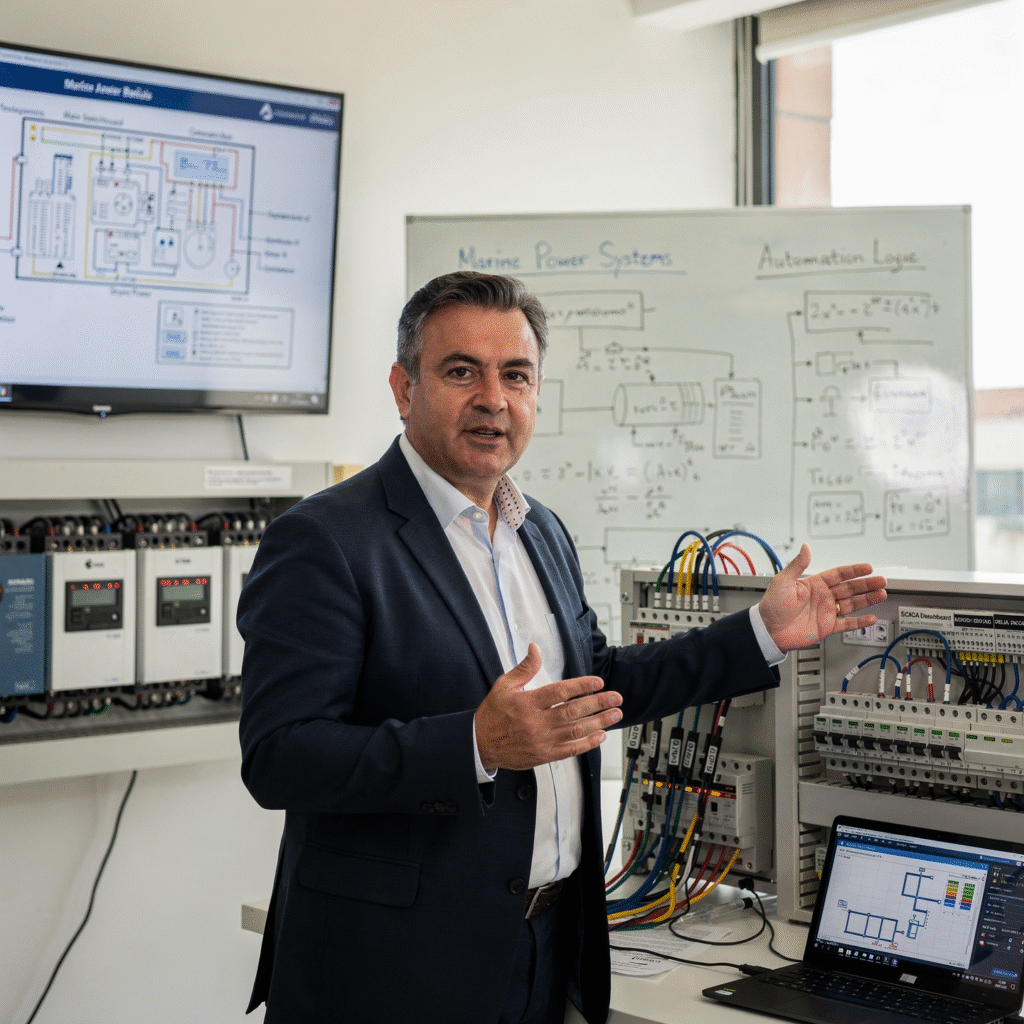
Master’s Degree in Maritime Events and Entertainment

Why this master’s programme?

The Master in Maritime Events and Entertainment

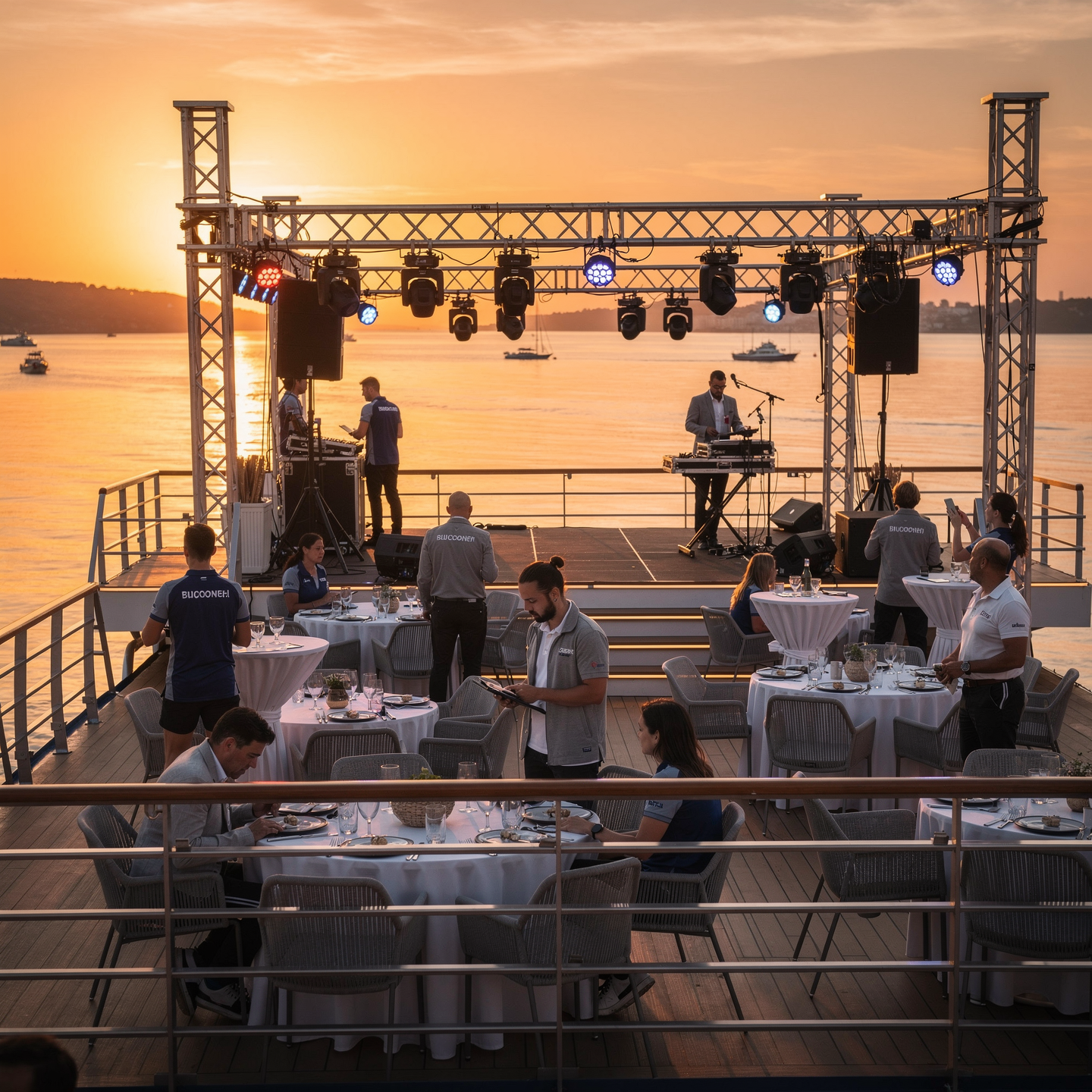
Immerse yourself in the comprehensive organization of unique events in aquatic environments. Learn to design unforgettable experiences, from nautical festivals to themed cruises, managing logistics, marketing, and security with a sustainable approach. Master the latest trends in water shows, onboard entertainment, and maritime protocol, boosting your career in a constantly growing sector.

Differentiating Advantages

  • Unique Specialization: Train in a booming niche market with high demand for qualified professionals.
  • Hands-on Experience: Participate in real projects and event simulations to apply your knowledge.
  • Strategic Networking: Connect with industry experts and leading companies in maritime events.
  • Innovative Approach: Discover the latest technologies and trends in aquatic events and entertainment.
  • Flexibility: Online format with options for in-person practical training at real events.
Entretenimiento

Master’s Degree in Maritime Events and Entertainment

Availability: 1 in stock

Who is it aimed at?

  • Tourism, marketing, and communications professionals who want to specialize in the maritime industry and create unique experiences.
  • Event and entertainment managers interested in expanding their portfolio to include cruises, nautical festivals, and coastal events.
  • Entrepreneurs and business owners looking to develop new business models in the maritime entertainment sector.
  • Marine and port managers interested in diversifying their offerings and boosting nautical tourism.
  • Graduates in tourism, business administration, or related fields seeking a differentiating profile with specialized knowledge in maritime events.

Flexibility
 Adapted Tailored to your needs: Flexible online methodology, 24/7 access to content and networking with industry experts at an international level.

Entretenimiento

Objectives and skills

Designing immersive maritime experiences:

“Integrating personalized narratives with virtual/augmented reality technologies, gamification, and sensory elements (sound, touch, aroma) to evoke emotions and foster a personal connection with the marine environment and its history.”

Manage the complete logistics of onboard events:

“Plan efficient routes considering draft and weather restrictions, optimizing times and minimizing risks.”

Maximizing return on investment in maritime events:

“Define clear KPIs, measure the impact on sales and branding, and optimize participation in future events.”

Leading multidisciplinary teams in complex maritime environments:

“Effectively manage communication among team members, prioritizing safety and operational efficiency, while adapting to the existing cultural and linguistic differences.”
Strictly comply with maritime safety and sustainability regulations:

“Minimize the environmental impact of operations by managing waste, emissions and discharges efficiently and in accordance with MARPOL regulations.”

Attracting and retaining demanding audiences in the maritime sector:

“Develop customized, high-value content strategies for each audience segment, prioritizing transparency and two-way communication.”

Study plan – Modules

  1. Introduction to Strategic Planning for Nautical Events: Context, Scope, and Objectives
  2. Feasibility Analysis: Resource Assessment, Stakeholder Identification, and Analysis of Specific Maritime Risks
  3. Designing the Event’s Organizational Architecture: Roles, Responsibilities, and Interdepartmental Coordination in Maritime Environments
  4. Advanced Maritime Logistics: Vessel Management, Specialized Equipment, and Resource Mobilization in Aquatic Spaces
  5. Applicable Permits and Regulations: Maritime Legislation, Port Regulations, and International Protocols for Events in Territorial Waters
  6. Comprehensive Safety Planning: Risk Assessments, Emergency Protocols, and Maritime Evacuation Plans
  7. Environmental Management: Impact Assessment, Minimization Strategies, and Compliance with Environmental Regulations in the Marine Environment
  8. Coordination with Port Authorities and Maritime Surveillance Agencies to Ensure Compliance
  9. Normative and operational aspects of the event
  10. Technological tools for planning and real-time monitoring: GIS systems, logistics management software, and naval communication platforms
  11. Optimization of routes and waterways for the location of stages, anchorages, and safety areas
  12. Maritime traffic management: access planning, traffic control, and strategies to avoid congestion
  13. Control of supplies and auxiliary services: maintenance, food, sanitation, and technical support at sea
  14. Implementation of contingency plans and rapid response protocols for nautical incidents
  15. Effective communication strategies between multidisciplinary teams and with participants during all phases of the event
  16. Continuous monitoring and evaluation: use of key performance indicators (KPIs) to guarantee the quality and success of the event
  17. Post-event report: analysis of results, Technical documentation and recommendations for future editions
  1. Fundamentals of experiential design in maritime events: theories and models applied to nautical environments
  2. Technological innovation in maritime entertainment: integration of augmented reality, IoT sensors, and advanced automation
  3. Comprehensive management of maritime projects: timelines, resources, budget, and risks specific to the nautical sector
  4. Design of immersive environments: lighting, sound, and audiovisuals adapted to floating spaces and maritime-friendly structures
  5. Optimizing the user experience: behavior analysis, real-time feedback, and dynamic personalization of activities
  6. International standards and regulations applied to events in aquatic environments: SOLAS, MARPOL, and local regulations for ports and coastal areas
  7. Operational safety in nautical events: emergency protocols, evacuation, and crisis management on maritime platforms
  8. Multidisciplinary coordination: integration of crew, suppliers, and authorities Port authorities and technical teams in an efficient collaborative framework.

    Sustainability and environmental impact strategies: reducing the ecological footprint and responsible use of resources in marine events.

    Case studies and analysis of successful maritime entertainment events, focusing on replicability and continuous innovation.

  1. Fundamentals of strategic planning in maritime events: situational analysis, definition of objectives and KPIs specific to the nautical sector
  2. Advanced logistics management methodologies: supply chain, intermodal coordination, and resource optimization in marine environments
  3. Hydro-oceanographic assessment: interpretation of tides, currents, wind, and weather conditions for the safe and efficient scheduling of events
  4. Design and selection of nautical sites: evaluation of ports, marinas, and coastal areas considering accessibility, infrastructure, and environmental regulations
  5. Maritime permits and regulations: navigation in territorial waters, international and national legislation applicable to maritime events
  6. Comprehensive safety planning: risk management, evacuation protocols, coordination with the Coast Guard and emergency services
  7. Real-time logistics control and monitoring: application of AIS, GPS, and tracking software systems for the supervision and dynamic adjustment of Operations

    Maritime traffic and flow management: route planning, temporary signage, exclusion zones, and coordination with port authorities

    Onboard services and entertainment planning: selection, assembly, and logistics of temporary infrastructure and maritime audiovisual technology

    Post-event evaluation and continuous improvement: analysis of operational results, stakeholder feedback, and documentation of lessons learned for future events

  1. Fundamentals of Marketing in Nautical Events: Target Market Analysis, Segmentation, and Positioning for the Blue Economy
  2. Advanced Sponsorship Strategies: Identifying Strategic Partners, Creating Value Propositions, and Effective Contract Negotiations
  3. Revenue Management Applied to Maritime Events: Dynamic Pricing Models, Demand Forecasting, and Real-Time Revenue Optimization
  4. Design and Management of Exclusive Hospitality Packages: Premium Experiences, Loyalty, and Maximizing Perceived Value
  5. Digital Marketing for Maritime Events: Multichannel Campaigns, Social Media Listening, and Advanced Analytics for Brand Amplification
  6. Blue Economy and Sustainability: Integrating Responsible Practices into the Monetization and Sponsorship of Nautical Events
  7. Using Big Data and Analytics for Segmenting and Personalizing Commercial Offers and Sponsors
  8. Comprehensive Management of Revenue streams: coordination between ticket sales, merchandising, hospitality, and sponsorships to maximize ROI

    Benchmarking and competitive studies: analysis of international events to adapt to trends and generate competitive advantages

    Legal and contractual aspects: regulation of advertising at sea, image rights, and sponsorship clauses specific to nautical events

    Effective communication strategies with stakeholders: sponsors, port authorities, clients, and specialized press

    Implementation of disruptive technologies (blockchain, CRM, electronic ticketing) for optimization of business processes and financial control

    Innovative monetization models: crowdfunding, memberships, and sub-licenses in the maritime context

    Post-event evaluation: financial and satisfaction KPIs for feedback and continuous improvement in business management

  1. Fundamentals of Technological Innovation Applied to the Maritime Sector: Evolution, Trends, and Disruptive Technologies
  2. Integration of IoT Technologies in the Supervision and Control of Maritime Events: Smart Sensors, Real-Time Monitoring, and Predictive Analytics
  3. Advanced Event Management Systems: Digital Platforms, Automation, and Specialized Software for Logistics Coordination in Maritime Environments
  4. Renewable Energies and Clean Technologies: Implementation of Sustainable Solutions on Vessels and Floating Structures for Events
  5. Methodologies for Reducing the Environmental Footprint: Impact Assessment, Eco-certifications, and International Regulations Applied to Events at Sea
  6. Design and Use of Eco-efficient and Biodegradable Materials in Temporary Infrastructure and Maritime Entertainment Equipment
  7. Intelligent Waste Management: Collection, Treatment, and Recycling Systems During Events at Sea
  8. Protocols Technological security and cybersecurity: protecting data and critical systems in connected maritime environments

    Application of augmented reality (AR) and virtual reality (VR) to enhance audience experience and train operational teams

    Models of economic sustainability in maritime events: feasibility analysis, resource optimization, and sustainable return on investment

    Case studies and case studies on the successful implementation of innovative technologies and sustainable protocols in large-scale events in ports and on vessels

    Responsible communication and marketing strategies: environmental and technological transparency in the promotion and management of maritime events

    Technological and environmental contingency planning: preparing for technological failures and adverse ecological scenarios

    Current international regulations on innovation and sustainability in the maritime sector: compliance and adaptation in events and entertainment

    Future perspectives on technological development and sustainability in maritime events: challenges, opportunities, and trends emerging

  1. Fundamentals of Innovation in the Maritime Events Industry: Trends, Disruptive Technologies, and Emerging Models
  2. Advanced Environmental Sustainability Strategies for Nautical Events: Impact Assessment, Eco-certifications, and International Regulations
  3. Design and Planning of Integrated Maritime Events: Agile Methodologies, Stakeholder Analysis, and Operational Risk Management
  4. Resource Optimization and Sustainable Logistics: Fuel Efficiency, Waste Management, and Carbon Footprint Reduction in Marine Environments
  5. Strategic Marketing and Commercial Positioning in the Maritime Entertainment Sector: Segmentation, Branding, and Customer Experience
  6. Financial Models and Profitability Analysis for Nautical Events: Budgeting, Financing, and Return on Investment (ROI) Evaluation
  7. Implementation of Digital Technologies and Smart Solutions: Management Platforms, Big Data, IoT, and Augmented Reality Applied to Events in Maritime Environments
  8. Regulations and Standards Applicable to events and recreational activities in coastal and marine areas: permits, safety, and coordination with authorities.

    Comprehensive management of multidisciplinary teams and leadership in maritime entertainment projects: management skills, effective communication, and conflict resolution.

    Case studies and international benchmarking: critical analysis of successful events and lessons learned for innovation and sustainability.

  1. Strategic Foundations of Innovation in Maritime Events: Global Trends, Technological Disruptors, and Competitive Analysis Applied to the Nautical Sector
  2. Design and Application of Sustainable Models for Maritime Events: Life Cycle Assessment, Ecological Footprint, and International Environmental Regulations (IMO, MARPOL)
  3. Comprehensive Resource Management and Sustainable Logistics: Energy Optimization, Waste Management, and Responsible Water Use on Floating Platforms and Coastal Zones
  4. Smart Monetization of Nautical Events: Hybrid Revenue Models, Sponsorship Sales, Digitalization of the Experience, and Emerging Monetization Channels
  5. Advanced Market Analysis and Maritime Consumer Behavior: Segmentation, Value Creation, and Loyalty Through Data Capture Technologies and Nautical CRM
  6. Technological Innovation Applied to Planning and Execution: Augmented Reality, IoT, Big Data, and Digital Platforms for Real-Time Management and Operational Optimization
  7. Evaluation of Socioeconomic and environmental impacts: quantitative and qualitative tools to ensure the viability and community acceptance of maritime events

    International regulations and certifications: compliance with ISO standards, green certifications (Green Awards, Clean Marine), and safety protocols for events in maritime environments

    Sustainable communication strategies: reputation management, environmental storytelling, and responsible marketing geared toward stakeholders, clients, and coastal communities

    Development of contingency and resilience plans: climate risk management, maritime emergency response, and ensuring operational continuity at events

    Success stories and international benchmarking: detailed analysis of landmark, innovative, and sustainable events in the maritime entertainment industry

    Evaluation and control methodologies: KPIs, sustainability indicators, and return on investment for strategic decision-making

  1. Comprehensive design of operations in maritime events: conceptualization, detailed engineering, and reverse logistics
  2. Assessment and management of complex risks: dynamic analysis of natural, technical, and human threats in maritime environments
  3. Advanced coordination and communication systems: integration of VHF, satellite, and digital networks for real-time operational control
  4. Comprehensive security protocols: implementation of SOLAS, ISPS, and MARPOL standards in high-traffic scenarios and adverse conditions
  5. Emergency planning and management: design of multidisciplinary drills, evacuation routes, and specialized use of SAR equipment
  6. Control and monitoring of maritime space and adjacent areas: use of AIS technology, multi-frequency radar, and unified command centers
  7. Logistical optimization for vessels and floating platforms: cargo management, dynamic stability, and specialized mooring systems
  8. Legal regulations and compliance Maritime events: analysis of international conventions, maritime jurisdiction, and civil liability.

    Security supervision and auditing: methodologies to ensure operational compliance, with key performance indicators (KPIs) and post-event forensic analysis.

    Technological innovation in maritime security: use of drones, IoT sensors, and intelligent systems for monitoring and immediate response.

  1. Fundamentals of strategic planning in the maritime sector: environmental analysis, objective setting, and alignment with the corporate vision
  2. Sustainable innovation applied to nautical events: eco-friendly practices, clean technologies, and reducing the environmental footprint in maritime operations
  3. Comprehensive design and management of maritime entertainment projects: timelines, resources, budgeting, and quality control
  4. Implementation of circular business models within the framework of maritime events: resource valorization and regenerative economics
  5. Advanced tools for environmental and social impact assessment in the development of nautical recreational activities
  6. Experiential marketing and branding strategies for nautical events: positioning, promotion, and building loyalty with specialized audiences
  7. Comprehensive monetization of maritime events and platforms: revenue streams, sponsorship, ticketing, and associated digital commerce
  8. Stakeholder management in the industry Maritime: Strategic Alliances, Effective Communication, and Crisis Management

    International Regulations and Standards Applicable to Entertainment Events in Territorial Waters and International Maritime Spaces

    Technological Innovation for User Experience in Nautical Events: Augmented Reality, IoT, and Intelligent Management Systems

    Economic and Financial Analysis of Maritime Entertainment Projects: Feasibility Assessment, Risks, and Return on Investment

    Integrated Port Logistics and Vessel Handling Systems for Events: Coordination, Safety, and Operational Efficiency

    Agile Methodologies for the Continuous Adaptation and Improvement of Nautical Events in Dynamic and Changing Environments

    Application of Cultural and Environmental Sustainability Theories in Maritime Entertainment Planning

    Successful Case Studies in Innovation and Sustainable Monetization in Maritime Events Globally

  1. Advanced conceptualization of nautical events: definition of strategic objectives, target audience analysis, segmentation, and positioning in the global maritime market
  2. Design and development of innovative management models: integration of disruptive technologies (IoT, Big Data, AI) for optimization in the logistics and operational control of maritime events
  3. Regulatory framework and applicable regulations: detailed analysis of international and local compliance (SOLAS, MARPOL, IMO, port regulations) for the safe and legal organization of events in international and territorial waters
  4. Advanced environmental sustainability strategies: implementation of marine protection protocols, efficient management of solid and liquid waste, mitigation of environmental impact, and agreements with NGOs and environmental organizations
  5. Comprehensive production planning: from thematic conception and artistic programming to technical coordination of floating and land-based infrastructure, assembly, dismantling, and resource optimization
  6. Monetization and economic models
  7. Applied: advanced financial analysis, diversified revenue streams (sponsorships, ticket sales, merchandising, licensing), and design of sustainable and scalable business plans.

    Comprehensive risk and security management: assessment of meteorological, maritime, and operational risks; emergency protocols; specialized insurance; and a multidisciplinary contingency plan.

    Digital marketing and strategic communication: design of omnichannel promotional campaigns, use of specialized social media, public relations, and engagement with nautical and tourism communities.

    Innovation in entertainment experiences: incorporation of augmented reality, maritime simulators, interactive activities, and immersive experiences to optimize attendee satisfaction and loyalty.

    Development of performance indicators and KPIs: continuous monitoring and evaluation of results, feedback analysis, and organizational learning for continuous improvement in future events.

Career prospects

“`html

  • Maritime Event Organizer: Planning, coordinating, and executing events on board cruise ships, yachts, at boat shows, and in ports.
  • Maritime Entertainment Manager: Designing and managing entertainment programs for cruise ships and other vessels, including shows, recreational activities, and themed experiences.
  • Maritime Event Marketing and Promotion Manager: Developing marketing strategies to promote maritime events and destinations, including social media management, public relations, and advertising.
  • Maritime Event Logistics and Operations Coordinator: Managing the logistics and operations necessary for maritime events, including transportation, accommodation, catering, and security.
  • Maritime Event Client and Sponsor Relations Manager: Establishing and maintaining relationships with clients and sponsors, ensuring their satisfaction and Customer loyalty.
  • Maritime Events and Entertainment Consultant: Advising companies and organizations on the planning and execution of events and entertainment programs in the maritime sector.
  • Maritime Events Project Manager: Leading and managing maritime event projects, from conception to final evaluation.
  • Maritime Events Safety and Compliance Officer: Ensuring compliance with safety standards and regulations applicable to maritime events.

“`

Entry requirements

Academic/professional profile:

Bachelor’s degree in Nautical Science/Maritime Transport, Naval/Marine Engineering or a related qualification; or proven professional experience on the bridge/in operations.

Language proficiency:

Functional Maritime English (SMCP) recommended for simulations and technical materials.

Documentation:

Updated CV, copy of qualification or seaman’s book, national ID/passport, motivation letter.

Technical requirements (for online):

Device with camera/microphone, stable internet connection, monitor ≥ 24” recommended for ECDIS/Radar-ARPA.

Admissions process and dates

Online
application

(form + documents).

Academic review and interview

Admissions decision

Admissions decision

(+ scholarship offer if applicable).

Place reservation

(deposit) and enrolment.

Induction

(access to the virtual campus, calendars, simulator guides).

Scholarships and financial support

  • Design unforgettable experiences: Learn to conceptualize, plan, and execute unique maritime and entertainment events.
  • Master logistics and safety: Acquire the skills necessary to manage technical, legal, and safety aspects in maritime environments.
  • Connect with the industry: Access a network of professionals, companies, and job opportunities in the maritime and entertainment sector.
  • Boost your creativity: Develop your capacity for innovation and create disruptive concepts that make a difference in the market.
  • Learn from experts: Receive training from leading professionals with extensive experience in event management and the maritime sector.
Specialize and become a leader in creating innovative and high-impact maritime events.

Testimonials

Frequently asked questions

Maritime events and entertainment industry.

Yes. The itinerary includes ECDIS/Radar-ARPA/BRM with harbor, ocean, fog, storm, and SAR scenarios.

Online with live sessions; hybrid option for simulator/practical placements through agreements.

In cruise ships, marinas, nautical event organizing companies, coastal hotels and maritime tourism companies.

Recommended functional SMCP. We offer support materials for standard phraseology.

Yes, with a relevant degree or experience in maritime/port operations. The admissions interview will confirm suitability.

Optional (3–6 months) through Companies & Collaborations and the Alumni Network.

Simulator practice (rubrics), defeat plans, SOPs, checklists, micro-tests and applied TFM.

A degree from Navalis Magna University + operational portfolio (tracks, SOPs, reports and KPIs) useful for audits and employment.

  1. Advanced conceptualization of nautical events: definition of strategic objectives, target audience analysis, segmentation, and positioning in the global maritime market
  2. Design and development of innovative management models: integration of disruptive technologies (IoT, Big Data, AI) for optimization in the logistics and operational control of maritime events
  3. Regulatory framework and applicable regulations: detailed analysis of international and local compliance (SOLAS, MARPOL, IMO, port regulations) for the safe and legal organization of events in international and territorial waters
  4. Advanced environmental sustainability strategies: implementation of marine protection protocols, efficient management of solid and liquid waste, mitigation of environmental impact, and agreements with NGOs and environmental organizations
  5. Comprehensive production planning: from thematic conception and artistic programming to technical coordination of floating and land-based infrastructure, assembly, dismantling, and resource optimization
  6. Monetization and economic models
  7. Applied: advanced financial analysis, diversified revenue streams (sponsorships, ticket sales, merchandising, licensing), and design of sustainable and scalable business plans.

    Comprehensive risk and security management: assessment of meteorological, maritime, and operational risks; emergency protocols; specialized insurance; and a multidisciplinary contingency plan.

    Digital marketing and strategic communication: design of omnichannel promotional campaigns, use of specialized social media, public relations, and engagement with nautical and tourism communities.

    Innovation in entertainment experiences: incorporation of augmented reality, maritime simulators, interactive activities, and immersive experiences to optimize attendee satisfaction and loyalty.

    Development of performance indicators and KPIs: continuous monitoring and evaluation of results, feedback analysis, and organizational learning for continuous improvement in future events.

Request information

  1. Complete the Application Form.

  2. Attach your CV/degree certificate (if you have it to hand).

  3. Indicate your preferred cohort (January/May/September) and whether you would like the hybrid option with simulator sessions.

    An academic advisor will contact you within 24–48 hours to guide you through the admission process, scholarships, and compatibility with your professional schedule.

Please enable JavaScript in your browser to complete this form.
Click or drag a file to this area to upload.

Faculty

0
    0
    Tu carrito
    Tu carrito esta vacíoRegresar a la tienda
    Scroll to Top