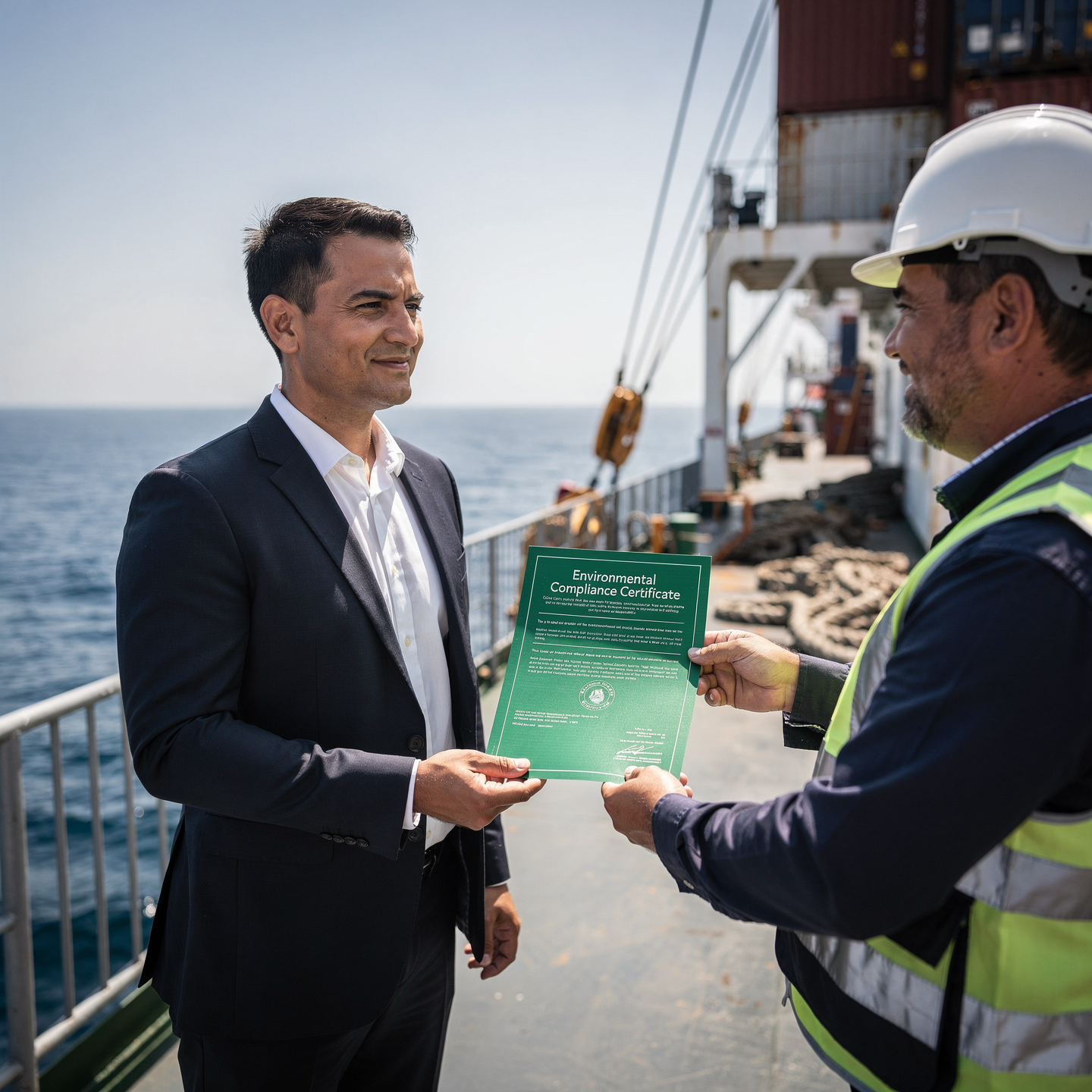
Master’s Degree in Green Certifications for Ships
Why this master’s programme?
The Master in Green Certifications for Ships
This program prepares you to lead the transformation towards a sustainable maritime industry. Learn to implement and audit the main environmental certifications (ISO 14001, Green Award, EEDI, SEEMP), master emissions reduction strategies (alternative fuels, energy efficiency), and understand the latest international legislation (IMO 2020, MRV Regulation). Become an expert in life cycle assessment (LCA) of ships and onboard waste management, boosting your company’s competitiveness in an increasingly demanding market.
Differentiating Advantages
- Practical Approach: Real-world case studies and audit simulations.
- Expert Instructors: Leading professionals in maritime certifications and sustainability.
- Networking: Access to a global network of industry professionals.
- Tools and Software: Training in specialized software for the environmental management of ships.
- Technical Visits: To ports and facilities with environmental certification.
- Modality: Online
- Level: Masters
- Hours: 1600 H
- Start date: 11-06-2026
Availability: 1 in stock
Who is it aimed at?
- Naval engineers and naval architects seeking to specialize in the design and construction of eco-efficient and sustainable vessels.
- Merchant marine officers and captains interested in implementing and managing operational practices that reduce the environmental impact of their vessels.
- Maritime consultants and auditors wishing to certify and verify compliance with international environmental regulations in the shipping industry.
- Energy and environmental professionals seeking to understand and address the challenges of decarbonization in maritime transport.
- Graduates in environmental sciences, engineering, and related fields seeking professional development in the field of sustainability and innovation in the Naval industry.
Flexibility and applicability
Master’s program designed for professionals with demanding schedules: flexible online format, practical case studies, and immediate application of acquired knowledge in real-world projects.
Objectives and skills

Evaluate and select eco-efficient technologies:
“Considering the complete life cycle, economic viability and environmental impact, prioritizing the reduction of emissions and resource consumption.”

Manage and audit environmental management systems:
Implement ISO 14001 audit procedures, identifying nonconformities and proposing effective corrective and preventive actions, documenting the entire process to ensure continuous improvement of the EMS.

Implement strategies for reducing polluting emissions:
Optimize fuel management: monitor consumption, adjust speed and route, and employ energy-saving technologies.

Monitor compliance with maritime environmental regulations:
“Manage MARPOL waste respecting unloading procedures, documentation and reports to the competent authorities.”

Design and implement onboard waste management plans:
“Considering MARPOL Annex V, minimizing generation, segregating efficiently, and complying with port regulations.”

Optimize the ship's energy consumption and efficiency:
Plan the route by optimizing weather and oceanographic conditions to minimize resistance and fuel consumption.
Study plan – Modules
- International regulatory framework for maritime environmental management: MARPOL conventions, Ballast Water Management, and regional agreements
- Advanced environmental auditing techniques for ships: protocols, checklists, and methodologies for green certification
- Environmental impact assessment in maritime operations: quantitative and qualitative analysis of emissions, discharges, and underwater noise
- Monitoring and control of air pollutants: SOx, NOx, CO2, and particulate emissions according to IMO and EU MRV standards
- Integrated onboard waste management: segregation, storage, treatment, and final disposal in compliance with MARPOL Annex V
- Assessment and mitigation of the risk of introducing invasive species through ballast water: treatment technologies and compliance audits
- Environmental management systems (EMS) in the shipbuilding industry: implementation, maintenance, and internal audits according to ISO ISO 14001
Digital tools and sensors for real-time assessment of ship environmental performance: data analysis and reporting for certification
Key environmental performance indicators (KPIs) for sustainable navigation: definition, monitoring, and continuous optimization
Preparation of environmental audit reports: structure, technical content, recommendations, and submission to competent authorities
- Fundamentals of Energy Efficiency in Ships: Thermodynamic Principles Applied to Marine Propulsion and Energy Transfer
- International Standards and Green Certifications: MARPOL Annex VI, EEDI, SEEMP, and Their Impact on Naval Operation and Design
- Onboard Energy Diagnostics: Advanced Tools for Consumption Audits, Fuel Analysis, and Heat Loss Assessment
- Optimization of Propulsion Systems: Main and Auxiliary Engines, Combustion Control Technologies, Hybrid and Electric Propulsion Systems
- Implementation of Waste Heat Recovery Systems: Waste Heat Recovery (WHR), Steam Turbines, and ORC Systems Applied to Commercial Vessels
- Reduction of Gaseous Emissions: Strategies to Minimize CO₂, NOx, SOx, and Particulate Matter Through the Use of Alternative Fuels, Additives, and Aftertreatment Technologies
- Integration of Renewable Energies and Onboard storage systems: solar panels, offshore wind turbines, batteries, and supercapacitors
Advanced real-time monitoring and control systems: SCADA, IoT, and big data for intelligent energy consumption management and carbon footprint reduction
Planning and execution of energy efficiency audits: development of rigorous protocols, collection of operational data, and statistical analysis for compliance reports
Change management and crew training: implementation of best operating practices, energy awareness workshops, and professional certifications
Economic evaluation and return on investment analysis: specific methodologies for green projects in the commercial shipping industry
Case studies and benchmarking: detailed analysis of certified commercial vessels, quantifiable results in energy savings and effective emissions reduction
- Key international conventions for green certification: MARPOL annexes, Ballast Water Management Convention, and the Paris Agreement
- Specific atmospheric emissions regulations: SOx, NOx, and CO2 regulations under IMO and EPCIS
- Introduction to environmental audits: types, objectives, and applicable ISO standards (ISO 14001, ISO 50001)
- Advanced methodologies for environmental impact assessment (EIA) in the maritime sector: life cycle assessment (LCA) and carbon footprint approach
- Procedures for implementing environmental management systems (EMS) on ships: planning, implementation, control, and review
- Digital tools for environmental audits and monitoring: onboard sensors, analysis software, and remote platforms
- Assessment and mitigation of environmental impacts arising from the operation and maintenance of Ships: Ballast water, waste management, and spill control
Complementary local and regional regulations: Port control, marine protection zones, and national environmental regulations
Roles and responsibilities of the environmental auditor and technical team in green ship certification
Real-world case studies: Success in green certifications, efficient audits, and strategies for meeting maritime sustainability criteria
- Fundamental concepts of Green Ship Certification: definition, objectives, importance in the maritime sector, and environmental and economic benefits
- International regulations and applicable standards in green certification: IMO, MARPOL, EEDI, IIC, ISO 14001 and their impact on design and operation
- Advanced methodologies for the technical verification of ships: energy audits, on-site inspections, and conformity analysis
- Optimization of propulsion systems: state-of-the-art technologies in engines, high-efficiency propellers, and hybrid systems for emissions reduction
- Evaluation and selection of alternative fuels: LNG, biofuels, hydrogen, green ammonia, their storage, and safe handling on board
- Practical implementation of SEEMP (Ship Energy Efficiency) Management Plan: Development, monitoring, and continuous improvement for maximizing energy performance
Instrumentation and energy monitoring systems: sensors, digital platforms, IoT, and data analytics for real-time monitoring of consumption and emissions
Integration of alternative propulsion technologies and fuels into existing systems to ensure regulatory compliance without compromising operational performance
Environmental life cycle assessment and carbon footprint analysis of ships: tools, critical parameters, and transparent reporting
Continuous improvement plans and strategies for green certification audits: document preparation, non-conformity management, and certification maintenance
Case studies of certification and technical verification in commercial and specialized shipping fleets
Future perspectives and technological trends in green certification: digitalization, automation, and emerging international policies for maritime sustainability
- Fundamentals of Marine Propulsion: Basic Concepts, Types of Systems, and Their Environmental Impact
- Emerging Technologies: Hybrid Propulsion, Fuel Cell Systems, Advanced Batteries, and Dual-Fuel Engines
- Evaluation and Selection of Green Fuels: Biofuels, Hydrogen, Ammonia, and Marine Electrification
- Advanced Design of Propellers and Drive Systems: Hydrodynamic Optimization and Reduction of Mechanical Losses
- Integration of Regenerative Systems: Energy Recovery, Absorption Systems, and Onboard Energy Storage
- Computational Modeling and Simulation for Energy Performance Optimization and Life Cycle Analysis
- Intelligent Control and Monitoring Systems: IoT Sensors, Automation, Predictive Diagnostics, and Proactive Maintenance
- International Regulations and Green Certifications: Compliance, IMO, EEDI, and ICC Standards and technical auditing tools
- Environmental Impact Assessment and Life Cycle Assessment (LCA) applied to clean propulsion systems
- Case studies and design projects: comprehensive development of customized solutions for efficient and sustainable vessels
- Fundamentals of Energy Efficiency in the Naval Sector: Physical Principles, Applied Thermodynamics, and Key Metrics for Energy Performance Assessment
- International Regulations and Green Certifications: Detailed Analysis of MARPOL Annex VI, the IMO Energy Efficiency Design Index (EEDI), Ship Energy Efficiency Management Plan (SEEMP), and their Practical Implementation
- Energy Diagnostics and Audits on Ships: Methodology for Measuring Consumption, Identifying Losses, and Analyzing Pollutant Emissions Using Advanced Sensors and Real-Time Monitoring Systems
- Technologies for Energy Optimization: Hybrid Propulsion, Waste Heat Recovery Systems, Propeller and Rudder Optimization, and the Use of Alternative Fuels with Low Environmental Impact
- Protocols for Reducing Greenhouse Gases (GHG): Operational Strategies, Fuel Management, Speed Reduction Maneuvers, and Intelligent Cargo Management to Minimize the Carbon Footprint
- Automation and Advanced Control on Ships: Systems Integration Energy Management Systems (EMS), process automation, and predictive maintenance to maximize efficiency and reduce emissions.
Specific procedures for the navy: Adapting energy efficiency protocols on military vessels, considering operational and strategic requirements without compromising response and mission capabilities.
Environmental risk assessment and management: Identifying impacts, developing contingency plans, and managing incidents related to emissions and abnormal energy consumption.
Crew training and awareness: Developing training programs for the correct implementation of protocols, promoting a culture of energy efficiency and environmental responsibility.
Compliance audits and certification: Preparing for inspections, required documentation, internal and external audit processes, and strategies for continuous improvement in ship energy management.
Case studies and case analysis: Successful implementation of protocols in the maritime industry, quantifiable results, and lessons learned for replication in different types of fleets.
Innovation and future Maritime green certifications: emerging technological trends, regulatory challenges, and financing opportunities for sustainable projects in maritime transport.
[…]
- Fundamentals of Maritime Environmental Management: Scientific Bases and Ecological Principles Applied to the Shipbuilding Industry
- Technological Innovation for Sustainability: Clean Propulsion Systems, Renewable Energy on Board, and Smart Digitalization
- Key International Regulations: In-depth Analysis of MARPOL, Ballast Water Management, and the Paris Agreement in a Maritime Context
- Green Certifications: Types, Scope, Audit Processes, and Global Environmental Verification Standards for Ships
- Comprehensive Emission Reduction Strategies: Optimizing Energy Consumption, Using Alternative Fuels, and Hybrid Systems
- Waste and Effluent Management: Onboard Treatment Technologies, Minimization, and Recycling in Compliance with Current Regulations
- Environmental Impact and Life Cycle Assessment (LCA): Methodology and Application for Identifying Environmental Improvement Opportunities in Ships
- Implementation of Environmental Management Systems (EMS): ISO 14001 and its implications for maritime operations
- Use of big data and remote monitoring systems for environmental traceability and real-time regulatory compliance
- Case studies and impact studies: analysis of pioneering green certification projects, disruptive innovations, and lessons learned in the industry
- Fundamentals of Comprehensive Life Cycle Assessment (CLCA): definition, scope, and standardized methodologies ISO 14040 and 14044 applied to the shipping industry
- Advanced life cycle assessment methodologies: inventory, environmental impact assessment, and improvement analysis in the design, construction, operation, and decommissioning stages of ships
- Optimization of materials for sustainable shipbuilding: selection of metals and composites with high durability, low environmental impact, and ease of recycling
- Emerging technologies in green materials: nanocomposites, high-strength alloys, and eco-efficient coatings for reducing emissions and corrosion
- Integration of energy efficiency systems in ships: hybrid engines, electric propulsion, and waste energy recovery technologies
- Computational models for life cycle simulation and environmental performance prediction in next-generation ships
- Evaluation of the Environmental impact in shipbuilding manufacturing and assembly: carbon footprint analysis, water consumption, and waste generation
Certified Environmental Management Systems (EMS) for shipyards and naval operators: implementation according to ISO 14001 standards and their relationship with green certifications
International protocols and regulations for environmental certification of ships: MARPOL, IMO Green Passport, EEDI, and their technological and regulatory updates
Case studies: application of EICV and selection of optimized materials in recent naval projects certified as sustainable
Digital tools and specialized software for monitoring and continuous improvement of the environmental performance of ships
Validation, auditing, and reporting for obtaining green certifications: technical criteria, documentary evidence, and inspection protocols
Innovation strategies for reducing environmental impacts: water recycling systems, minimization of atmospheric emissions, and solid waste management Vessels
Economic valuation and cost-benefit analysis of implementing sustainable materials and technologies in shipbuilding and operations
Future of naval environmental certification: technological trends, regulatory challenges, and opportunities for sustainable development in the maritime industry
- Key international conventions: MARPOL, IMO Greenhouse Gas Strategy, BMW Convention and their impact on green ship certification
- Regional regulations: compliance and variations in emissions, waste management, and energy efficiency in ECA zones and Emission Control Areas
- Advanced environmental monitoring systems: gas and particulate emission sensors, energy consumption meters, and integrated onboard environmental management platforms
- Implementation of the SEEMP (Ship Energy Efficiency Management Plan): development, monitoring, and optimization for reducing the environmental impact of daily operations
- Integrated compliance strategies: internal audits, regulatory reporting, and continuous adaptation to emerging regulations for sustainable ships
- Technological innovations for environmental optimization: use of alternative fuels, hybrid propulsion systems, and energy recovery technologies
- Environmental life cycle assessment of the ship: analysis From construction and operation to decommissioning, and its influence on green certification
Tools and methodologies for verification and certification: procedures, technical criteria, and official inspection protocols
Integration of ISO 14001 environmental management systems and their practical application in maritime operations
Risk management and mitigation in the context of sustainability: environmental contingency scenarios and action plans for incidents
Interaction between environmental regulations and maritime safety: optimizing performance without compromising operational safety
Training and continuing education for crew and technicians in regulatory compliance and the use of green technologies
Case studies: detailed analysis of vessels with successful green certifications and lessons to replicate in future projects
Future perspectives and regulatory evolution: anticipating new environmental requirements and proactive adaptation to maintain current certifications
Role of port authorities and certification bodies in the Monitoring and maintenance of environmental standards in the fleet.
- International legal and regulatory framework for green certifications: IMO conventions, OECD guidelines, Paris Agreement regulations, and the role of the International Maritime Organization in naval sustainability
- Comprehensive analysis of green certification standards: Green Award, Clean Shipping Index, Energy Efficiency Design Index (EEDI), Ship Energy Efficiency Management Plan (SEEMP), and relevant ISO certifications for the shipbuilding industry
- Methodologies for ship life cycle assessment (LCA): identification, quantification, and mitigation of environmental impact from construction to decommissioning
- Design and planning of comprehensive green certification plans: integration of technical, operational, and administrative criteria to ensure compliance and resource optimization
- Practical implementation in international fleets: strategies for technological adaptation, crew training, and document management for audits and verifications
- Advanced tools for real-time environmental monitoring: onboard energy management systems (EMS),
- Emission sensors, traceability of alternative fuels, and data analysis for continuous optimization
- Economic and financial aspects of green certification: incentives, subsidies, return on investment, and cost-benefit analysis for shipowners and operators
- Green communication and reporting protocols for port authorities, certification bodies, and stakeholders: formats, frequency, and incident management
- Development of practical case studies and implementation simulations: preparation of sector plans, risk assessment, and adoption of clean technologies in different fleet segments
- Evaluation and continuous improvement: internal audits, recertification, environmental performance indicators, and innovation management to maintain competitiveness and leadership in maritime sustainability
Career prospects
“`html
- Maritime Sustainability Consultant: Advising shipping companies and shipyards on the implementation of green practices and technologies.
- Green Certification Auditor: Verifying compliance with environmental regulations on ships and in port operations.
- Maritime Eco-Innovation Project Manager: Developing and implementing projects to reduce emissions and energy consumption in the maritime sector.
- Marine Renewable Energy Specialist: Designing and installing renewable energy systems on ships (wind, solar, etc.).
- Environmental Compliance Officer in Shipping Companies: Monitoring and controlling compliance with environmental legislation in ship operations.
- Researcher in Clean Technologies for Maritime Transport: Developing new technologies to reduce the carbon footprint of shipping. Maritime.
- Onboard Waste Management Technician: Implementation of waste management and treatment systems on ships to minimize their environmental impact.
- Marine Environmental Regulations Expert: Analysis and application of international and national regulations on maritime environmental protection.
“`
Entry requirements

Academic/professional profile:
Bachelor’s degree in Nautical Science/Maritime Transport, Naval/Marine Engineering or a related qualification; or proven professional experience on the bridge/in operations.

Language proficiency:
Functional Maritime English (SMCP) recommended for simulations and technical materials.

Documentation:
Updated CV, copy of qualification or seaman’s book, national ID/passport, motivation letter.

Technical requirements (for online):
Device with camera/microphone, stable internet connection, monitor ≥ 24” recommended for ECDIS/Radar-ARPA.
Admissions process and dates

Online
application
(form + documents).

Academic review and interview
Admissions decision

Admissions decision
(+ scholarship offer if applicable).

Place reservation
(deposit) and enrolment.

Induction
(access to the virtual campus, calendars, simulator guides).
Scholarships and financial support
- Specialization: Become an expert in ship sustainability assessment and certification, leading the transition to a greener maritime industry.
- Advanced Regulations: Master the latest international regulations and standards on energy efficiency, emissions, and marine environmental management.
- Tools and Methodologies: Learn to apply specialized calculation tools and software for ship environmental impact assessment and performance optimization.
- Case Studies: Participate in real-world projects and case studies that will allow you to apply your acquired knowledge and develop practical skills for ship certification.
- Networking: Connect with maritime industry professionals, sustainability experts, and representatives from certification bodies to expand your professional network.
Testimonials
“This Master’s program provided me with the tools and technical knowledge necessary to lead the transition of our fleet towards more sustainable practices. Thanks to the training I received, I was able to implement an environmental management system that reduced our emissions by 15% and allowed us to obtain the Green Award certification, opening up new business opportunities and improving our corporate image.”
The Master’s in Sustainability and Blue Innovation provided me with the tools and network necessary to boost my sustainable aquaculture project. By applying the knowledge I gained about the circular economy and marine biotechnology, I was able to optimize production, minimize environmental impact, and ensure economic viability, securing funding for its expansion on a larger scale.
“This Master’s degree provided me with the tools and knowledge necessary to lead the ecological transition in my shipping company. I successfully implemented an energy efficiency plan that reduced our emissions by 15% and allowed us to obtain the environmental certification we were seeking, opening up new business opportunities and improving our corporate image.”
This master’s degree provided me with the tools and knowledge necessary to lead our fleet’s transition to more sustainable practices. Thanks to my specialization in green certifications, I was able to implement an environmental management system that reduced our emissions by 15% and allowed us to obtain ISO 14001 certification, opening new business opportunities and improving our corporate image.

Frequently asked questions
The maritime or shipping industry.
Yes. The itinerary includes ECDIS/Radar-ARPA/BRM with harbor, ocean, fog, storm, and SAR scenarios.
Online with live sessions; hybrid option for simulator/practical placements through agreements.
Maritime sector or shipbuilding industry.
Recommended functional SMCP. We offer support materials for standard phraseology.
Yes, with a relevant degree or experience in maritime/port operations. The admissions interview will confirm suitability.
Optional (3–6 months) through Companies & Collaborations and the Alumni Network.
Simulator practice (rubrics), defeat plans, SOPs, checklists, micro-tests and applied TFM.
A degree from Navalis Magna University + operational portfolio (tracks, SOPs, reports and KPIs) useful for audits and employment.
- International legal and regulatory framework for green certifications: IMO conventions, OECD guidelines, Paris Agreement regulations, and the role of the International Maritime Organization in naval sustainability
- Comprehensive analysis of green certification standards: Green Award, Clean Shipping Index, Energy Efficiency Design Index (EEDI), Ship Energy Efficiency Management Plan (SEEMP), and relevant ISO certifications for the shipbuilding industry
- Methodologies for ship life cycle assessment (LCA): identification, quantification, and mitigation of environmental impact from construction to decommissioning
- Design and planning of comprehensive green certification plans: integration of technical, operational, and administrative criteria to ensure compliance and resource optimization
- Practical implementation in international fleets: strategies for technological adaptation, crew training, and document management for audits and verifications
- Advanced tools for real-time environmental monitoring: onboard energy management systems (EMS),
- Emission sensors, traceability of alternative fuels, and data analysis for continuous optimization
- Economic and financial aspects of green certification: incentives, subsidies, return on investment, and cost-benefit analysis for shipowners and operators
- Green communication and reporting protocols for port authorities, certification bodies, and stakeholders: formats, frequency, and incident management
- Development of practical case studies and implementation simulations: preparation of sector plans, risk assessment, and adoption of clean technologies in different fleet segments
- Evaluation and continuous improvement: internal audits, recertification, environmental performance indicators, and innovation management to maintain competitiveness and leadership in maritime sustainability
Request information
Complete the Application Form.
Attach your CV/degree certificate (if you have it to hand).
Indicate your preferred cohort (January/May/September) and whether you would like the hybrid option with simulator sessions.
An academic advisor will contact you within 24–48 hours to guide you through the admission process, scholarships, and compatibility with your professional schedule.
Faculty
Eng. Tomás Riera
Full Professor
Eng. Tomás Riera
Full Professor
Eng. Sofía Marquina
Full Professor
Eng. Sofía Marquina
Full Professor
Eng. Javier Bañuls
Full Professor
Eng. Javier Bañuls
Full Professor
Dr. Nuria Llobregat
Full Professor
Dr. Nuria Llobregat
Full Professor
Dr. Pau Ferrer
Full Professor
Dr. Pau Ferrer
Full Professor
Cap. Javier Abaroa (MCA)
Full Professor
Cap. Javier Abaroa (MCA)
Full Professor

