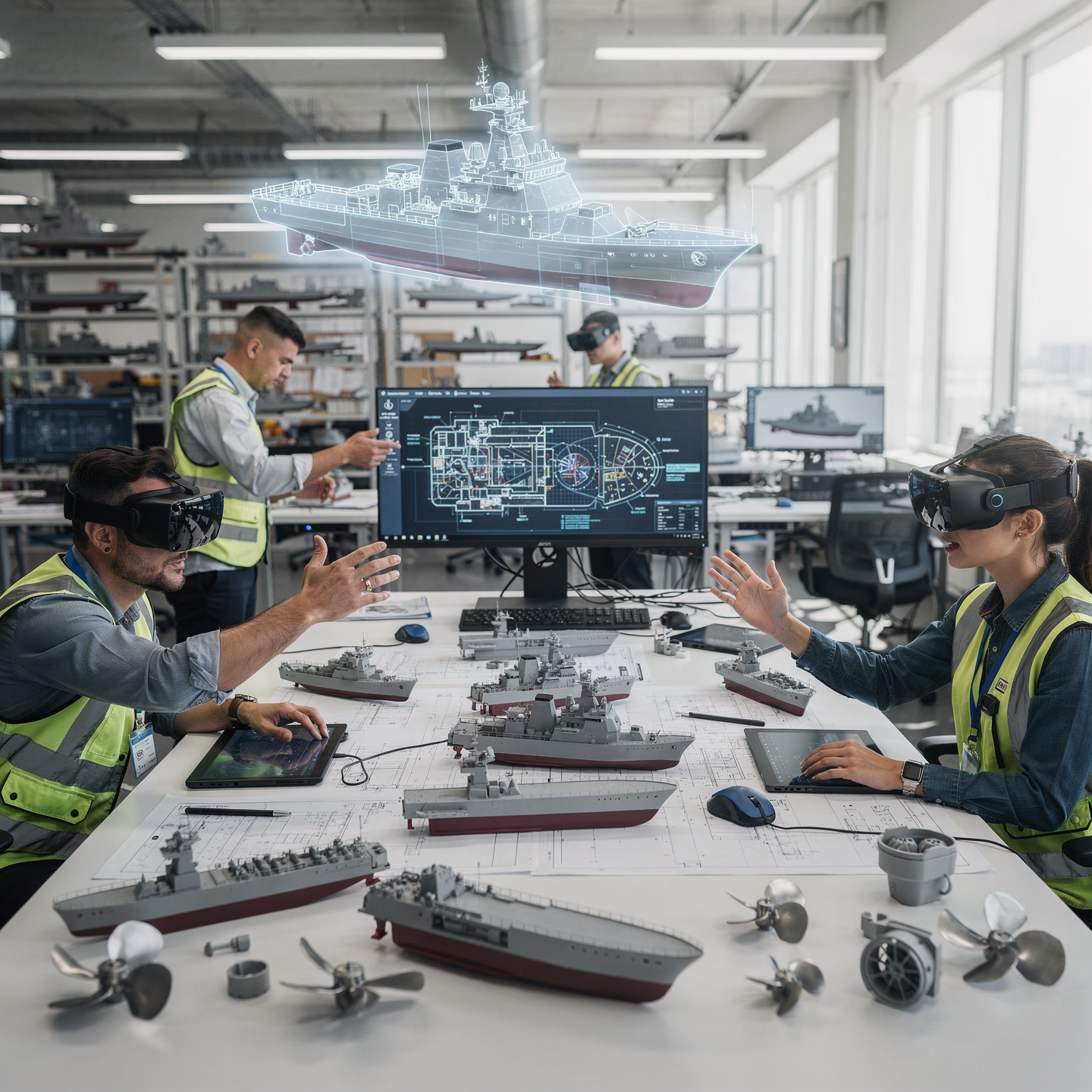
Master’s Degree in 3D Modeling and Virtual Reality for Naval Engineering

Why this course?

The Master’s in 3D Modeling and Virtual Reality for Naval Engineering

This program prepares you to lead the digital transformation of the maritime sector. Learn to create accurate 3D models of ships and naval structures, optimize designs with advanced simulations, and immerse your clients in immersive experiences with virtual reality applications. Master the most innovative tools and techniques to revolutionize naval design, construction, and maintenance.

Differentiating Advantages

  • Industry-Leading Software: Learn to use the latest versions of CAD/CAM/CAE and VR engines.
  • Hands-on Projects: Apply your knowledge to real-world naval design and simulation cases.
  • Advanced Visualization: Create realistic virtual tours and interactive applications for training and sales.
  • Design Optimization: Reduce costs and improve efficiency through virtual simulation and analysis.
  • Professional Networking: Connect with leading experts and companies in the naval and technology sectors.

Master’s Degree in 3D Modeling and Virtual Reality for Naval Engineering

Availability: 1 in stock

Who is it aimed at?

  • Naval engineers and naval architects seeking to master the design and visualization of vessels and marine structures using 3D and VR tools.
  • Industrial designers and 3D modelers aspiring to specialize in the naval industry, creating immersive and realistic representations of naval projects.
  • Shipbuilding and repair professionals needing to optimize project planning and execution through 3D visualization and VR.
  • Researchers and academics interested in applying virtual reality for the simulation and analysis of the behavior of ships and offshore structures.
  • Engineering and design graduates seeking career advancement with in-demand skills at the forefront of naval engineering and 3D visualization.

Flexibility for your development
 Adapted for working professionals: flexible online learning, relevant practical projects, and personalized tutoring with industry experts.

Objectives and competencies

Designing and simulating complex naval systems:

Modeling the behavior of ships, weapons, and sensors in different operational scenarios, using specialized simulation software and considering the interactions between subsystems.

Develop interactive virtual prototypes to optimize naval design:

“To model and simulate the behavior of the vessel under different sea and wind conditions, integrating CFD data and experimentation in a test tank.”

Implement Virtual Reality solutions for training and simulation of naval operations:

Integrate 3D models of ships and realistic maritime environments, allowing immersive simulation of navigation procedures, maneuvers and emergency management, evaluating the performance of personnel in complex and controlled scenarios.

Managing naval engineering projects with 3D and VR modeling tools:

“Optimize design and planning, minimizing errors and reducing costs through advanced simulation and visualization of the ship’s life cycle.”

Create immersive visualizations for the presentation and sale of naval projects:

“Design interactive and photorealistic 3D environments that allow customers to virtually experience the vessel, its capabilities, and its integration with the marine environment.”

Optimizing efficiency and sustainability in ship design and operation:

Implement energy and emissions management strategies, adopting technologies and practices that reduce environmental impact and improve the ship’s economic performance.

Curriculum - Modules

  1. Fundamentals of Computer-Aided Design (CAD) Specific to Naval Projects: Parametric Modeling and Generation of Complex Geometries
  2. Integration of 3D Modeling Software with Virtual Reality Platforms: Protocols, Incompatibilities, and Advanced Solutions
  3. Hydrodynamic Simulation in a Virtual Environment: CFD Techniques Applied to Hull Optimization
  4. Virtual Structural Analysis: Use of Finite Element Analysis (FEA) for the Evaluation of Stresses and Deformations in Three-Dimensional Models
  5. Immersive Visualization for Design Evaluation: Implementation of VR Systems and Haptic Sensors for the Inspection of Virtual Prototypes
  6. Simulation of Real Maritime Conditions: Waves, Wind, and Currents in a VR Environment for Validating Vessel Behavior
  7. Design Optimization Through Virtual Iterations: Reducing Costs and Time in Prototype Development
  8. Multidisciplinary interaction on a VR platform: coordination between structural engineering, hydrodynamic design, and propulsion systems
  9. Creation of remote collaborative environments for real-time project review and adjustments using virtual reality technology
  10. Advanced VR applications for training and operational simulation: training in maneuvers, emergency response, and optimization of naval operations
  1. Advanced fundamentals of 3D modeling applied to naval structures: solid and surface modeling techniques, parametric modeling, and CAD procedures specific to naval engineering
  2. Specialized software tools: integration of platforms such as Rhino, SolidWorks, CATIA, and Autodesk Navisworks for collaborative and multidisciplinary naval design
  3. Immersive simulation in virtual reality: VR principles, compatible hardware (HMD headsets, motion sensors, haptic devices), and configuration of virtual environments for naval design evaluation
  4. Naval design optimization through simulation: CFD (Computational Fluid Dynamics) analysis, hydrodynamic behavior, drag, and dynamic stability using immersive 3D models
  5. Interoperability between 3D modeling and VR for virtual prototype validation: workflows for data transfer and real-time synchronization between CAD applications and VR rendering engines
  6. Ergonomic and functional evaluation of cabins and interior spaces through virtual reality: methodologies to improve habitability, safety, and operability based on immersive visualization
  7. Integration of virtual sensors and telemetry for digital prototyping: use of real-time data for iterative design adjustments and behavioral simulations in different maritime scenarios
  8. Implementation of naval digital twins: conceptualization, creation, and continuous updating of virtual models equivalent to physical prototypes for monitoring and predictive maintenance
  9. Design evaluation and verification methodologies using VR: post-processing analysis techniques, identification of structural faults, and optimization through immersive testing
  10. Advanced management of naval modeling and simulation projects: planning, version control, multidisciplinary collaboration, technical documentation, and quality assurance in virtual environments
  1. Fundamentals of 3D modeling in naval engineering: main CAD/CAM software and tools used for the design of complex naval structures.
  2. Advanced parametric modeling techniques and automatic generation of naval geometries through specific scripts and plugins.
  3. Integration of hydrodynamic data and strength metrics into 3D models for preliminary evaluation of hull and superstructure performance.
  4. Simulation of physical behaviors using finite element analysis (FEM) for structural analysis and stress evaluation in different parts of the vessel.
  5. Configuration and development of immersive virtual reality environments for detailed inspection of full-scale digital prototypes, facilitating the detection of interferences and design errors.
  6. Application of virtual reality for ergonomic and accessibility validation in technical and habitability areas within the vessel, improving safety and operational efficiency.
  7. Dynamic visualization of
  8. Maneuvering and maritime behavior in simulated environments, enabling virtual testing of stability, response to waves, and adverse weather conditions.
  9. Implementation of digital twins through the integration of sensors and real-time data to replicate and monitor vessel behavior within virtual and augmented reality platforms.
  10. Automation of virtual tests and generation of technical reports from simulations, facilitating design decision-making and prototype optimization.
  11. Case studies and practical workshops: collaborative virtual design applied to projects involving merchant ships, high-tech vessels, and offshore platforms, integrating 3D modeling and virtual reality processes for advanced naval innovation.
  1. Fundamentals of Naval Design and Regulatory Requirements: Classification, ISO Standards, and Applicable Certifications for Vessel Hulls
  2. Advanced Parametric 3D Modeling: Use of Specialized CAD Software (SolidWorks, Rhino, Siemens NX) for Generating Adaptive and Scalable Hull Geometries
  3. Integration of Surfaces and Solids in Hull Design: Loft, Sweep, and NURBS Manipulation Techniques for Hydrodynamic Shape Optimization
  4. Hydraulic Principles and Applied Hydrodynamics: Theoretical Analysis of Drag, Lift, and Laminar-Turbulent Flow for Efficient Hull Design
  5. CFD (Computational Fluid Dynamics) Numerical Simulation: Configuration, Meshing, and Analysis of Flows Around the Hull to Minimize Drag and Improve Stability
  6. Fluid-Structure Interaction (FSI) Modeling and Simulation: Evaluation of the Dynamic Behavior of the Hull Under Operating Loads and Tidal Forces complex
  7. Immersive Prototyping in Virtual Reality: development and navigation of 3D models in VR environments for ergonomic validation, collaborative review, and early detection of technical conflicts
  8. Structural Optimization through Finite Element Analysis (FEA): identification of critical points, local reinforcement, and weight reduction without compromising mechanical integrity
  9. Design and Simulation of Integrated Propulsion Systems: analysis of propellers, rudders, and engines in conjunction with the hull to maximize energy efficiency and maneuverability
  10. Advanced Workflow for Integrating Parametric Designs and Multiple Simulations: automation and parameterization for rapid and accurate iterations of naval design
  11. Application of Naval BIM for documentation and comprehensive project management: automatic generation of drawings, bills of materials, and multidisciplinary review with naval architects and engineers
  12. Case Studies: complete hull development from concept to final hydrodynamic simulations and validation in an immersive virtual environment
  13. Technological innovations in naval design: use of artificial intelligence for performance prediction, machine learning for shape optimization, and mixed reality for experimental testing
  14. Implementation of sustainability regulations: analysis of compostable materials and techniques for reducing environmental impact in the design and construction process
  1. Fundamentals of Naval Dynamics: Principles of Applied Hydrodynamics and Fluid Mechanics for Naval Structures
  2. Advanced Parametric 3D Modeling: Design and Automation Techniques Using CAD Software and BIM Platforms for Naval Engineering
  3. Computational Simulation of Multiphase Flows: Implementation of CFD (Computational Fluid Dynamics) for Detailed Hull-Water Interaction Analysis
  4. Integration of Immersive Environments in Naval Engineering: VR as a Tool for Visualization, Interference Detection, and Early-Stage Design Testing
  5. Procedures for Advanced Structural Analysis: Finite Element Analysis (FEA) Applied to Composite Materials and Alloys in Shipbuilding
  6. Evaluation of the Dynamic Behavior of Structures Under Variable Hydrodynamic Loads and Critical Operating Conditions
  7. Development of Digital Twins for Real-Time Monitoring of Structural Behavior and Dynamics of Ships using IoT and VR sensors
  8. Parametric optimization of naval shapes for drag reduction and improved stability, using evolutionary algorithms and machine learning

    Implementation of multiscale and interdisciplinary simulations: coupling between naval dynamics, structural vibrations, and propulsion systems

    Case studies and integrative project: design, simulation, and virtual validation of naval prototypes in highly realistic immersive environments, with performance and resistance evaluation

  1. Fundamentals of parametric 3D modeling applied to naval design: definition of geometric parameters, algorithms for automatic generation and shape variability according to technical and regulatory criteria
  2. Advanced CAD software tools for hull creation and manipulation: free surface modeling techniques (NURBS), control curves, and generation of high-precision meshes
  3. Integration between parametric modeling and specific technical databases for naval engineering to ensure interoperability and traceability
  4. Principles of naval hydrodynamics: analysis of drag, lift, and behavior in different sea states for hull optimization
  5. Computational fluid dynamics (CFD) simulation applied to the hull: model configuration, fluid dynamic meshes, boundary conditions, and results validation
  6. Evaluation of hydrodynamic performance using CFD simulations: identification of high-drag zones, turbulence, and balance optimization Hydrostatics
  7. Multidisciplinary optimization methodologies: genetic algorithms, surface response-based optimization, and machine learning techniques applied to geometric parameters

    Importance of integrating immersive virtual reality (VR) environments for visualizing and validating hull design from the conceptual phase to the virtual prototype

    Configuration of VR environments for real-time interaction with parametric 3D models: tracking technologies, spatial mapping, and visual realism focused on naval engineering

    Practical applications of 3D modeling and virtual reality in multidisciplinary teams: collaborative improvement, early error detection, and cost reduction in design and manufacturing phases

    International regulations and technical standards governing the design and certification of naval hulls in the context of new simulation and virtual reality systems

    Comparative analysis of real-world case studies with successful implementation of parametric modeling and VR simulation for the efficient optimization of hulls of different classes Naval Engineering

  8. Preparation of interactive technical deliverables: generation of reports with dynamic 3D graphics, integrated simulations, and immersive videos for project and client presentations
  9. Training in specific advanced software and open frameworks geared towards naval engineering for modeling, hydrodynamic simulation, and immersive virtual reality

Plan de estudio - Módulos

  1. Fundamentals of Computer-Aided Design (CAD) Specific to Naval Projects: Parametric Modeling and Generation of Complex Geometries
  2. Integration of 3D Modeling Software with Virtual Reality Platforms: Protocols, Incompatibilities, and Advanced Solutions
  3. Hydrodynamic Simulation in a Virtual Environment: CFD Techniques Applied to Hull Optimization
  4. Virtual Structural Analysis: Use of Finite Element Analysis (FEA) for the Evaluation of Stresses and Deformations in Three-Dimensional Models
  5. Immersive Visualization for Design Evaluation: Implementation of VR Systems and Haptic Sensors for the Inspection of Virtual Prototypes
  6. Simulation of Real Maritime Conditions: Waves, Wind, and Currents in a VR Environment for Validating Vessel Behavior
  7. Design Optimization Through Virtual Iterations: Reducing Costs and Time in Prototype Development
  8. Multidisciplinary interaction on a VR platform: coordination between structural engineering, hydrodynamic design, and propulsion systems
  9. Creation of remote collaborative environments for real-time project review and adjustments using virtual reality technology
  10. Advanced VR applications for training and operational simulation: training in maneuvers, emergency response, and optimization of naval operations
  1. Advanced fundamentals of 3D modeling applied to naval structures: solid and surface modeling techniques, parametric modeling, and CAD procedures specific to naval engineering
  2. Specialized software tools: integration of platforms such as Rhino, SolidWorks, CATIA, and Autodesk Navisworks for collaborative and multidisciplinary naval design
  3. Immersive simulation in virtual reality: VR principles, compatible hardware (HMD headsets, motion sensors, haptic devices), and configuration of virtual environments for naval design evaluation
  4. Naval design optimization through simulation: CFD (Computational Fluid Dynamics) analysis, hydrodynamic behavior, drag, and dynamic stability using immersive 3D models
  5. Interoperability between 3D modeling and VR for virtual prototype validation: workflows for data transfer and real-time synchronization between CAD applications and VR rendering engines
  6. Ergonomic and functional evaluation of cabins and interior spaces through virtual reality: methodologies to improve habitability, safety, and operability based on immersive visualization
  7. Integration of virtual sensors and telemetry for digital prototyping: use of real-time data for iterative design adjustments and behavioral simulations in different maritime scenarios
  8. Implementation of naval digital twins: conceptualization, creation, and continuous updating of virtual models equivalent to physical prototypes for monitoring and predictive maintenance
  9. Design evaluation and verification methodologies using VR: post-processing analysis techniques, identification of structural faults, and optimization through immersive testing
  10. Advanced management of naval modeling and simulation projects: planning, version control, multidisciplinary collaboration, technical documentation, and quality assurance in virtual environments
  1. Fundamentals of 3D modeling in naval engineering: main CAD/CAM software and tools used for the design of complex naval structures.
  2. Advanced parametric modeling techniques and automatic generation of naval geometries through specific scripts and plugins.
  3. Integration of hydrodynamic data and strength metrics into 3D models for preliminary evaluation of hull and superstructure performance.
  4. Simulation of physical behaviors using finite element analysis (FEM) for structural analysis and stress evaluation in different parts of the vessel.
  5. Configuration and development of immersive virtual reality environments for detailed inspection of full-scale digital prototypes, facilitating the detection of interferences and design errors.
  6. Application of virtual reality for ergonomic and accessibility validation in technical and habitability areas within the vessel, improving safety and operational efficiency.
  7. Dynamic visualization of
  8. Maneuvering and maritime behavior in simulated environments, enabling virtual testing of stability, response to waves, and adverse weather conditions.
  9. Implementation of digital twins through the integration of sensors and real-time data to replicate and monitor vessel behavior within virtual and augmented reality platforms.
  10. Automation of virtual tests and generation of technical reports from simulations, facilitating design decision-making and prototype optimization.
  11. Case studies and practical workshops: collaborative virtual design applied to projects involving merchant ships, high-tech vessels, and offshore platforms, integrating 3D modeling and virtual reality processes for advanced naval innovation.
  1. Fundamentals of Naval Design and Regulatory Requirements: Classification, ISO Standards, and Applicable Certifications for Vessel Hulls
  2. Advanced Parametric 3D Modeling: Use of Specialized CAD Software (SolidWorks, Rhino, Siemens NX) for Generating Adaptive and Scalable Hull Geometries
  3. Integration of Surfaces and Solids in Hull Design: Loft, Sweep, and NURBS Manipulation Techniques for Hydrodynamic Shape Optimization
  4. Hydraulic Principles and Applied Hydrodynamics: Theoretical Analysis of Drag, Lift, and Laminar-Turbulent Flow for Efficient Hull Design
  5. CFD (Computational Fluid Dynamics) Numerical Simulation: Configuration, Meshing, and Analysis of Flows Around the Hull to Minimize Drag and Improve Stability
  6. Fluid-Structure Interaction (FSI) Modeling and Simulation: Evaluation of the Dynamic Behavior of the Hull Under Operating Loads and Tidal Forces complex
  7. Immersive Prototyping in Virtual Reality: development and navigation of 3D models in VR environments for ergonomic validation, collaborative review, and early detection of technical conflicts
  8. Structural Optimization through Finite Element Analysis (FEA): identification of critical points, local reinforcement, and weight reduction without compromising mechanical integrity
  9. Design and Simulation of Integrated Propulsion Systems: analysis of propellers, rudders, and engines in conjunction with the hull to maximize energy efficiency and maneuverability
  10. Advanced Workflow for Integrating Parametric Designs and Multiple Simulations: automation and parameterization for rapid and accurate iterations of naval design
  11. Application of Naval BIM for documentation and comprehensive project management: automatic generation of drawings, bills of materials, and multidisciplinary review with naval architects and engineers
  12. Case Studies: complete hull development from concept to final hydrodynamic simulations and validation in an immersive virtual environment
  13. Technological innovations in naval design: use of artificial intelligence for performance prediction, machine learning for shape optimization, and mixed reality for experimental testing
  14. Implementation of sustainability regulations: analysis of compostable materials and techniques for reducing environmental impact in the design and construction process
  1. Fundamentals of Naval Dynamics: Principles of Applied Hydrodynamics and Fluid Mechanics for Naval Structures
  2. Advanced Parametric 3D Modeling: Design and Automation Techniques Using CAD Software and BIM Platforms for Naval Engineering
  3. Computational Simulation of Multiphase Flows: Implementation of CFD (Computational Fluid Dynamics) for Detailed Hull-Water Interaction Analysis
  4. Integration of Immersive Environments in Naval Engineering: VR as a Tool for Visualization, Interference Detection, and Early-Stage Design Testing
  5. Procedures for Advanced Structural Analysis: Finite Element Analysis (FEA) Applied to Composite Materials and Alloys in Shipbuilding
  6. Evaluation of the Dynamic Behavior of Structures Under Variable Hydrodynamic Loads and Critical Operating Conditions
  7. Development of Digital Twins for Real-Time Monitoring of Structural Behavior and Dynamics of Ships using IoT and VR sensors
  8. Parametric optimization of naval shapes for drag reduction and improved stability, using evolutionary algorithms and machine learning

    Implementation of multiscale and interdisciplinary simulations: coupling between naval dynamics, structural vibrations, and propulsion systems

    Case studies and integrative project: design, simulation, and virtual validation of naval prototypes in highly realistic immersive environments, with performance and resistance evaluation

  1. Fundamentals of parametric 3D modeling applied to naval design: definition of geometric parameters, algorithms for automatic generation and shape variability according to technical and regulatory criteria
  2. Advanced CAD software tools for hull creation and manipulation: free surface modeling techniques (NURBS), control curves, and generation of high-precision meshes
  3. Integration between parametric modeling and specific technical databases for naval engineering to ensure interoperability and traceability
  4. Principles of naval hydrodynamics: analysis of drag, lift, and behavior in different sea states for hull optimization
  5. Computational fluid dynamics (CFD) simulation applied to the hull: model configuration, fluid dynamic meshes, boundary conditions, and results validation
  6. Evaluation of hydrodynamic performance using CFD simulations: identification of high-drag zones, turbulence, and balance optimization Hydrostatics
  7. Multidisciplinary optimization methodologies: genetic algorithms, surface response-based optimization, and machine learning techniques applied to geometric parameters

    Importance of integrating immersive virtual reality (VR) environments for visualizing and validating hull design from the conceptual phase to the virtual prototype

    Configuration of VR environments for real-time interaction with parametric 3D models: tracking technologies, spatial mapping, and visual realism focused on naval engineering

    Practical applications of 3D modeling and virtual reality in multidisciplinary teams: collaborative improvement, early error detection, and cost reduction in design and manufacturing phases

    International regulations and technical standards governing the design and certification of naval hulls in the context of new simulation and virtual reality systems

    Comparative analysis of real-world case studies with successful implementation of parametric modeling and VR simulation for the efficient optimization of hulls of different classes Naval Engineering

  8. Preparation of interactive technical deliverables: generation of reports with dynamic 3D graphics, integrated simulations, and immersive videos for project and client presentations
  9. Training in specific advanced software and open frameworks geared towards naval engineering for modeling, hydrodynamic simulation, and immersive virtual reality
  1. Fundamentals of 3D modeling applied to naval engineering: parametric geometry, NURBS surfaces, and polygonal meshes
  2. Specialized software and advanced tools for the design of naval structures: integration of CAD/CAM and simulation systems
  3. Computational fluid dynamics (CFD) simulation methodologies and their application in the analysis of the hydrodynamic behavior of ship hulls
  4. Structural simulation and analysis using finite element analysis (FEA): evaluation of stresses, deformations, and fatigue in naval components
  5. Application of immersive virtual reality for the visualization and early validation of naval designs: benefits in interference detection and ergonomic improvements
  6. Integration of virtual and physical rapid prototyping systems: 3D printing of parts and assemblies for functional testing and optimization
  7. Development of simulated environments for training and operational validation: navigation, maneuvering, and response to
  8. Emergencies using virtual reality
  9. Optimization of naval designs using artificial intelligence and machine learning techniques integrated into 3D modeling platforms
  10. Advanced data management and multidisciplinary collaboration: BIM platforms and their implementation in naval engineering
  11. Real-world case studies and industrial applications: detailed analysis of 3D modeling and virtual reality projects for commercial, military, and research vessels
  12. International regulations and standards applied to ship design and simulation: compliance and digital certification
  13. Implementation of digital pipelines for the planning, execution, and monitoring of naval projects based on 3D and VR technologies
  14. Advanced practices in dynamic simulation of ship response under extreme maritime conditions using virtual environments
  15. Integration of IoT sensors and devices into virtual models for real-time performance monitoring and predictive maintenance
  16. Critical evaluation and professional presentation of design, simulation, and prototyping projects with state-of-the-art audiovisual tools
  1. Fundamentals of parametric 3D modeling: variables, relationships, and constraints applied to naval design
  2. Advanced software for parametric modeling: in-depth exploration of leading platforms such as Rhino, Grasshopper, SolidWorks, and CATIA, with a focus on naval applications
  3. Creation and manipulation of complex geometries: NURBS surfaces, solid-based and mesh-based modeling, subdivision and refinement techniques for marine structures
  4. Integration of databases and custom scripts for the automation of reusable and scalable naval designs
  5. Immersive simulation applied to naval design: virtual and augmented reality for the review and validation of hull shapes and internal compartmentalization
  6. Setting up and using VR environments for ergonomic and operational evaluation in bridges, engine rooms, and cabins
  7. Structural and fluid dynamics analysis tools coupled with parametric 3D models for
  8. Vessel performance and safety optimization
  9. Advanced hydrodynamic simulation processes (CFD) integrated with modeling workflows for predicting drag, stability, and behavior in high seas
  10. Application of artificial intelligence and machine learning algorithms in the automatic generation and refinement of naval designs within parametric 3D environments
  11. Virtual validation of regulatory compliance: simulation of load, maneuvering, and extreme condition scenarios according to international regulations (IMO, ABS, DNV-GL)
  12. Development of virtual prototypes for functionality testing and predictive maintenance simulations based on digital twin models
  13. Integrated remote collaborative design methodologies with virtual reality, facilitating decision-making in multidisciplinary naval engineering teams
  14. Automated technical documentation from parametric 3D models: generation of drawings, specifications, and bills of materials according to international standards sector
  15. Advanced strategies for optimizing weight, distribution, and structural strength through parametric modeling and iterative simulations

    Practical case studies applied to the design of hulls, superstructures, and auxiliary systems with examples of real projects and industry benchmarking

  1. Fundamentals and basic principles of 3D modeling applied to naval engineering: parametric geometry, NURBS surfaces, and polygonal meshes specific to naval structures
  2. Advanced CAD and CAE software: integration of tools such as Rhino, SolidWorks, and ANSYS for the accurate simulation of loads, stresses, and hydrodynamic behavior
  3. 3D scanning and virtual reconstruction methodologies: data capture of naval prototypes and components using LIDAR and photogrammetry technologies
  4. Computational fluid dynamics (CFD) simulation applied to naval design: modeling of laminar and turbulent flow, hydrodynamic resistance analysis, and hull optimization
  5. Implementation of virtual reality (VR) environments for immersive project visualization: real-time 3D rendering techniques and configurations for dynamic interaction with ship models
  6. Modeling integration techniques 3D and immersive simulation: synchronization of databases, graphics engines, and VR platforms for collaborative design

    Design optimization using augmented reality (AR): evaluation and validation of naval prototypes on-site, overlaying technical data onto physical models

    Simulation and evaluation in virtual navigation scenarios: analysis of behavior under environmental conditions, maneuvers, and structural loads using immersive environments

    Protocols for quality control and verification of digital models: professional standards, geometric integrity review, and validation of physical parameters

    Advanced applications: integration of digital twins for real-time performance monitoring and predictive maintenance of ships and naval platforms

  1. Conceptualization and scope of the final project: objectives of multidisciplinary integration in 3D modeling, immersive simulation, and virtual reality applied to naval engineering
  2. Advanced 3D modeling methodologies: selection and parameterization of complex naval geometries with state-of-the-art CAD/CAM software (CATIA, Siemens NX, SolidWorks)
  3. Implementation of meshing and refinement techniques for structural and fluid dynamic analysis: generation of high-precision discretized volumes for CFD and FEM simulations
  4. Integration of naval design data with graphics engines for virtual reality: optimization of texturing, shading, and polygon loading for real-time immersive environments
  5. Design and simulation of navigable operational scenarios in virtual reality environments: modeling of maritime environmental conditions, interaction with control systems, and evaluation of operational ergonomics
  6. Advanced configuration of VR/AR hardware and software for validation Immersive: calibration of HMD devices, motion sensors, and haptic systems for functional and interaction testing.

    Multiphysics simulation application for design optimization: integration of structural dynamics, hydrodynamics, and thermal analysis on collaborative virtual platforms.

    Comprehensive model validation and verification: testing protocols, results analysis, and acceptance criteria based on IMO standards and ISO regulations for naval engineering.

    Technical documentation and professional presentation of results: preparation of technical reports, graphic panels, and interactive demonstrations geared toward multidisciplinary teams and stakeholders.

    Management of complex naval engineering projects using BIM-VR tools: planning, milestone tracking, and coordination of design and simulation teams for integrated delivery.

Career opportunities

“`html

  • 3D Modeler specializing in naval architecture: Creation of detailed models of ships, marine structures, and port facilities.
  • Virtual/Augmented Reality Experience Designer for the Naval Industry: Development of training simulations, project visualizations, and interactive design tools.
  • Simulation Engineer: Optimization of naval designs through advanced simulations in virtual environments.
  • Naval Data Visualization Specialist: Creation of clear and effective visual representations of complex data related to ship performance and safety.
  • Virtual Reality Application Developer for Naval Maintenance: Design of solutions for technician training and optimization of maintenance processes.
  • Naval Innovation Consultant: Advising companies in the sector on the adoption of modeling technologies 3D and Virtual Reality.
  • Researcher and Developer of New Technologies: Participation in R&D projects for the application of virtual reality in naval engineering.
  • Virtual Reality Project Manager in the Naval Sector: Planning, coordination, and execution of projects involving 3D modeling and virtual reality.

“`

Admission requirements

Academic/professional profile:

Degree/Bachelor's degree in Nautical Science/Maritime Transport, Naval/Marine Engineering, or a related field; or proven professional experience in bridge/operations.

Language proficiency:

Recommended functional maritime English (SMCP) for simulations and technical materials.

5. Induction

Updated resume, copy of degree or seaman's book, ID card/passport, letter of motivation.

Technical requirements (for online):

Equipment with camera/microphone, stable connection, ≥ 24” monitor recommended for ECDIS/Radar-ARPA.

Admission process and dates

1. Online
application

(form + documents).

2. Academic review and interview

(profile/objectives/schedule compatibility).

3. Admission decision

(+ scholarship proposal if applicable).

4. Reservation of place

(deposit) and registration.

5. Induction

(access to campus, calendars, simulator guides).

Scholarships and grants

  • Expert 3D Mastery: Learn to accurately model vessels and naval components using cutting-edge software.
  • Applied Virtual Reality: Master the techniques to create immersive simulations that will revolutionize naval design and training.
  • Advanced Design and Engineering: Integrate your models into BIM workflows and optimize efficiency in naval engineering projects.
  • High-Realism Simulations: Develop virtual environments for design testing and validation, minimizing risks and costs.
  • Innovative Final Project: Apply your knowledge to a real-world project, boosting your employability in the naval industry.
Boost your career and become a leader in the future of naval design.

Testimonials

Frequently asked questions

Yes. The itinerary includes ECDIS/Radar-ARPA/BRM with harbor, ocean, fog, storm, and SAR scenarios.

Online with live sessions; hybrid option for simulator/practical placements through agreements.

Recommended functional SMCP. We offer support materials for standard phraseology.

Yes, with a relevant degree or experience in maritime/port operations. The admissions interview will confirm suitability.

Optional (3–6 months) through Companies & Collaborations and the Alumni Network.

Simulator practice (rubrics), defeat plans, SOPs, checklists, micro-tests and applied TFM.

A degree from Navalis Magna University + operational portfolio (tracks, SOPs, reports and KPIs) useful for audits and employment.

  1. Conceptualization and scope of the final project: objectives of multidisciplinary integration in 3D modeling, immersive simulation, and virtual reality applied to naval engineering
  2. Advanced 3D modeling methodologies: selection and parameterization of complex naval geometries with state-of-the-art CAD/CAM software (CATIA, Siemens NX, SolidWorks)
  3. Implementation of meshing and refinement techniques for structural and fluid dynamic analysis: generation of high-precision discretized volumes for CFD and FEM simulations
  4. Integration of naval design data with graphics engines for virtual reality: optimization of texturing, shading, and polygon loading for real-time immersive environments
  5. Design and simulation of navigable operational scenarios in virtual reality environments: modeling of maritime environmental conditions, interaction with control systems, and evaluation of operational ergonomics
  6. Advanced configuration of VR/AR hardware and software for validation Immersive: calibration of HMD devices, motion sensors, and haptic systems for functional and interaction testing.

    Multiphysics simulation application for design optimization: integration of structural dynamics, hydrodynamics, and thermal analysis on collaborative virtual platforms.

    Comprehensive model validation and verification: testing protocols, results analysis, and acceptance criteria based on IMO standards and ISO regulations for naval engineering.

    Technical documentation and professional presentation of results: preparation of technical reports, graphic panels, and interactive demonstrations geared toward multidisciplinary teams and stakeholders.

    Management of complex naval engineering projects using BIM-VR tools: planning, milestone tracking, and coordination of design and simulation teams for integrated delivery.

Request information

  1. Complete the Application Form
  2. Attach your CV/Qualifications (if you have them to hand).
  3. Indicate your preferred cohort (January/May/September) and whether you want the hybrid option with simulator sessions.
An academic advisor will contact you within 24–48 hours to guide you through the admission process, scholarships, and compatibility with your professional schedule. Translated with DeepL.com (free version)
Please enable JavaScript in your browser to complete this form.
Click or drag a file to this area to upload.

Teachers

0
    0
    Tu carrito
    Tu carrito esta vacíoRegresar a la tienda
    Scroll to Top


