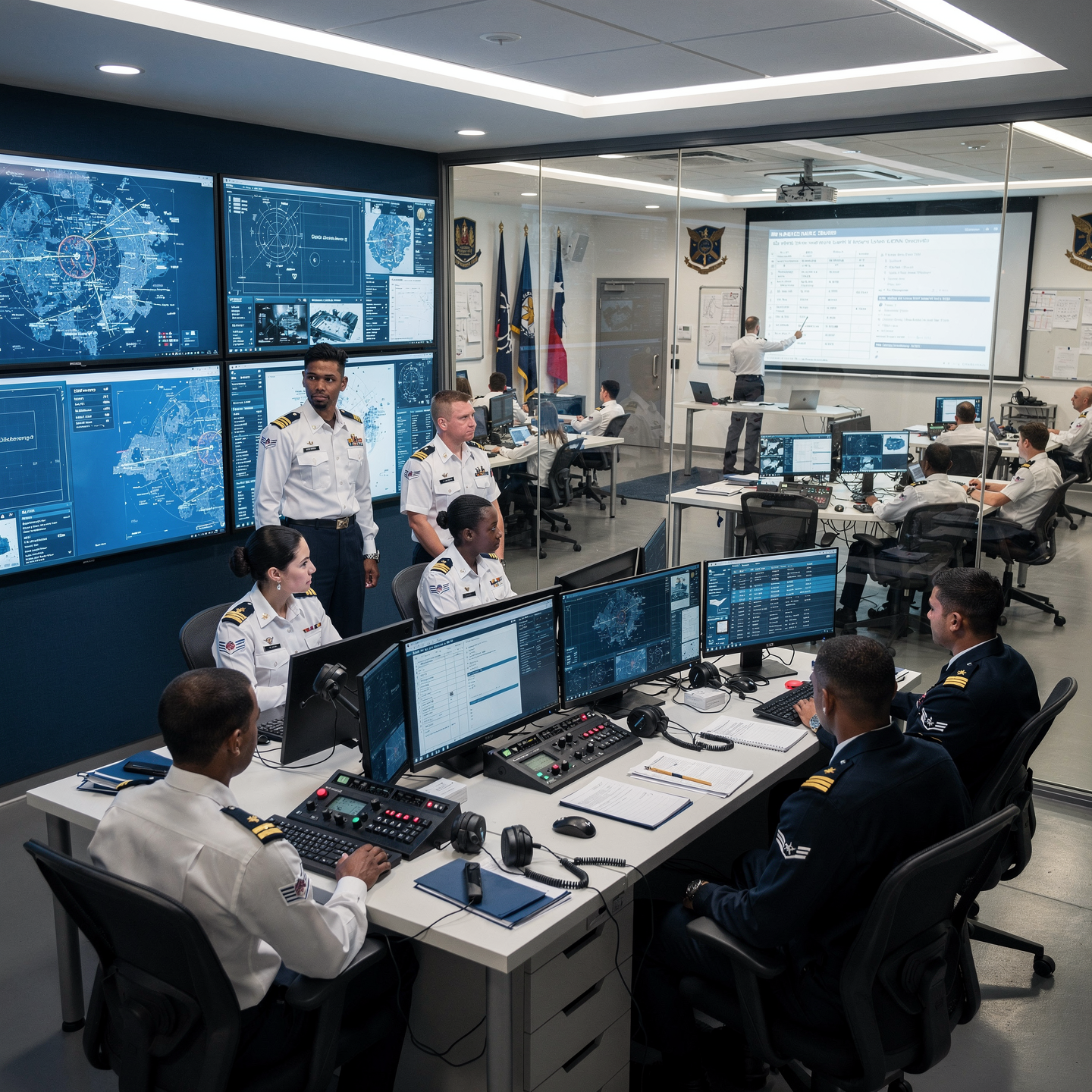
Master’s Degree in Management of Naval Training Centers

Why this master’s programme?

The Master’s in Naval Training Center Management

This program provides you with the tools and expert knowledge to lead and optimize maritime training institutions. Learn to design innovative programs, manage human and financial resources efficiently, and ensure educational quality in a complex regulatory environment. Master the latest trends in simulation technologies and teaching methodologies to prepare future professionals in the naval sector.

This program provides you with the tools and expert knowledge to lead and optimize maritime training institutions. Learn to design innovative programs, manage human and financial resources efficiently, and ensure educational quality in a complex regulatory environment.

Differential Advantages

  • Strategic Planning: Development of business plans and growth strategies for training centers.
  • Quality Management: Implementation of quality management systems based on international standards (ISO, STCW).
  • Educational Innovation: Integration of new technologies and teaching methodologies (e-learning, blended learning).
  • Leadership and Team Management: Development of leadership and multidisciplinary team management skills.
  • Networking: Opportunities to connect with industry experts and build a strong professional network.
Gestión

Master’s Degree in Management of Naval Training Centers

Availability: 1 in stock

Who is it aimed at?

  • Directors and managers of naval educational centers seeking to optimize the management of their resources, improve operational efficiency, and expand their training offerings.
  • Naval instructors and trainers interested in updating their teaching methodologies, incorporating new technologies, and designing innovative training programs.
  • Naval officers and maritime professionals with training experience who aspire to lead and manage high-performance training centers.
  • Educational consultants and advisors specializing in the naval field who wish to deepen their knowledge of managing training institutions and offering value-added services.
  • Graduates in areas related to education, administration, and maritime management seeking specialization to advance their careers in the training sector Naval.

Flexibility for professionals
Ā Adapted to the needs of working professionals: online modality, content accessible 24/7 and personalized tutoring for learning at your own pace.

Gestión

Objectives and skills

Optimize the comprehensive management of the centers:

Implement and supervise resource management protocols (human, financial, material) ensuring efficiency and profitability.

To direct and coordinate naval training:

“To interpret national and international maritime regulations and ensure their compliance in the planning and execution of naval exercises and operations.”

Develop and innovate naval training programs:

“Implement advanced simulation methodologies, integrating asymmetric conflict scenarios and cyber threats.”

Monitor and evaluate the quality of training:

“Establish clear metrics, conduct regular audits, and analyze feedback to ensure continuous improvement of the training program.”

Efficiently manage human and material resources:

“Plan and execute tasks while optimizing costs, minimizing environmental impact, and prioritizing workplace safety.”

To strategically lead the training of naval personnel:

Develop and implement innovative training plans, aligned with the operational and technological needs of the Navy, optimizing resources and maximizing the performance of naval personnel.

Study plan – Modules

  1. Legal and Regulatory Framework: International legislation (SOLAS, STCW), national regulations, and specific standards for naval training centers
  2. Design and Management of Training Programs: Curriculum development, specific competencies, and methodologies adapted to naval requirements
  3. Operational Optimization: Process analysis and improvement, human and material resource management, and efficient planning of teaching activities
  4. Implementation of Advanced Technologies: Simulators, e-learning platforms, and integrated management and real-time evaluation systems
  5. Comprehensive Safety in Naval Training Centers: Prevention protocols, risk assessment, emergency management, and contingency plans specific to maritime environments
  6. Quality Management and Certification: Application of ISO standards, internal audits, and ensuring academic and operational excellence
  7. Staff Training and Development: Competencies Techniques, leadership, effective communication, and training in maritime safety culture.

    Continuous control and monitoring of facilities: predictive maintenance, technical inspections, and use of digital tools for infrastructure tracking.

    Integration of sustainability: environmental management, reduction of ecological impact, social responsibility policies, and energy efficiency in naval training centers.

    Analysis of case studies and success stories: application of advanced strategies for operational improvement and safety, benchmarking, and adaptation to changing contexts in the naval sector.

  1. Fundamentals of Technological Innovation in Naval Training Environments: Trends and Strategic Application
  2. Design and Development of Advanced Learning Management Systems (LMS and LCMS) for Naval Training
  3. Integration of Digital Platforms and Virtual Environments for High-Fidelity Maritime Simulation
  4. Implementation of Augmented Reality (AR) and Virtual Reality (VR) Technology for Practical and Tactical Training
  5. Big Data and Analytics Applied to Performance Evaluation and Student Monitoring in Naval Centers
  6. Automation and Artificial Intelligence Systems for Personalized Learning and Teacher Decision-Making
  7. International Regulations and Standards Applicable to Technological Innovation in Maritime Training Centers
  8. Development of Interactive Multimedia Content Specialized in Navigation, Safety, and Naval Operations
  9. Collaborative Platforms and Tools for Efficient Communication Among Instructors, Students, and Administrative Staff
  10. Managing Technological Change: Strategies for Adoption and Cultural Adaptation in Naval Training Centers
  11. Information Security and Data Protection in Naval Educational Infrastructures: Protocols and Best Practices
  12. Advanced Digital Assessment and Certification: Accreditation and Traceability Systems in Naval Training
  13. The Role of the Director and Manager in the Implementation of Technological and Methodological Innovations in Training Centers
  14. Case Studies and Success Stories in Innovation Applied to Specialized Training in the Maritime Sector
  15. The Future of Naval Training: Technological Foresight and Sustainable Development in Highly Specialized Centers
  1. Introduction to Technological Innovation in the Naval Sector: Historical Evolution and Current Trends Applied to Naval Training Centers
  2. Implementation of Advanced Management Systems: Learning Management Systems (LMS) Platforms Integrated with Artificial Intelligence Technologies for Personalized Learning
  3. Integration of Augmented Reality (AR) and Virtual Reality (VR) in Training Simulators: Design, Development, and Evaluation of Immersive Experiences for Practical Training
  4. Big Data and Predictive Analytics: Application of Analytical Tools for Monitoring the Performance of Instructors and Trainees and Continuously Improving the Training Process
  5. Specific Cybersecurity Strategies for Naval Educational Infrastructures: Protection of Sensitive Data, Attack Prevention, and Contingency Protocols
  6. International Regulations and Security Standards Applicable to Naval Training Centers: Compliance with ISO 27001, STCW, and Maritime Regulations
  7. current

  8. Design and implementation of physical and technological security policies aimed at preventing risks and incidents at the facilities
  9. Access management and user control: biometric systems, smart cards, and real-time attendance tracking software
  10. Methodologies for assessing technological risk and its impact on the operational continuity of naval training centers
  11. Ongoing training in innovation and security: development of internal programs for instructor training in disruptive technologies and best security practices
  12. Innovation in pedagogical methodologies: use of gamification, adaptive learning, and simulations in controlled environments to maximize knowledge retention
  13. Strategic planning for technological integration and security: establishment of KPIs, timelines, budgets, and management of organizational change
  14. Ongoing evaluation and auditing of technological systems and security protocols to guarantee operational and training excellence
  15. Successful case study: comprehensive implementation of innovative technologies and security measures at a leading naval training center
  16. Future of technology applied to naval training: emerging trends such as explainable artificial intelligence, blockchain for certification, and autonomous vehicles in training
  1. Fundamentals of Operational Management in Naval Training Centers: Organizational Structures and Command Protocols
  2. Advanced Management of High-Realism Simulators: Technical Characteristics, Types, and Applications in Specialized Naval Training
  3. Integration of Simulation Systems: Hardware, Software, and Networks for the Accurate Recreation of Maritime Scenarios
  4. Design and Validation of Training Scripts and Scenarios: Pedagogical and Technical Criteria for an Effective Immersive Experience
  5. Implementation of Safety and Preventive Maintenance Protocols in Simulators: Standardization and International Regulations
  6. Real-Time Monitoring and Performance Evaluation: Use of Quantitative and Qualitative Metrics for Learning Optimization
  7. Training of Technical and Operational Personnel: Continuing Education, Certifications, and Management of Specialized Competencies
  8. Automation and Remote Control in Simulator Management: SCADA Systems, IoT Integration, and Applied Cybersecurity
  9. Data Analysis and Advanced Reporting: Business Intelligence Platforms for Strategic Decision-Making in Naval Training Centers
  10. International Regulations and Quality Standards Applicable to the Operation of Simulators for Naval Training: IMO, STCW, and EMSA Recommendations
  11. Resource Management and Operational Planning: Optimizing Schedules, Simulator Allocation, and Multidisciplinary Coordination
  12. Emerging Technological Innovations: Virtual Reality, Artificial Intelligence, and Machine Learning-Based Simulations to Enhance Naval Training
  13. Leadership and Crisis Management: Response Protocols for Technical Failures and Emergencies During Simulation Sessions
  14. Impact and Return on Investment (ROI) Assessment in the Implementation of High-Realism Simulators for Naval Training
  15. Strategies for Continuous Updating and Improvement of Simulation Systems: Integrating Feedback, Evolutionary Maintenance, and International Benchmarking
  1. Fundamentals of Strategic Leadership in Naval Environments: Contemporary Theories and Practical Applications
  2. Advanced Decision-Making Models for Managers in Naval Training Centers
  3. Design and Structuring of High-Performance Teams Under Military and Civilian Standards in Naval Training
  4. Comprehensive Human Resource Planning and Management: Recruitment, Selection, Training, and Specialized Retention
  5. Performance Evaluation and Development of Career Plans Oriented Towards Naval Operational Excellence
  6. Implementation of Talent Management Systems Based on Technical and Behavioral Competencies Specific to the Naval Sector
  7. Change Management and Transformational Leadership Applied to Advanced Naval Training Environments
  8. Legal Regulations and Professional Ethics in Human Resource Management in Naval Institutions
  9. Technological Tools for HR Management and Strategic Leadership: LMS Platforms, ERP, and Integrated Management Systems
  10. Strategies for
  11. Promoting an organizational culture of safety, discipline, and resilience in naval training centers
  12. Motivation and effective communication dynamics in multidisciplinary teams under operational pressure
  13. Conflict management, negotiation, and crisis resolution in naval training environments
  14. Key performance indicators (KPIs) for the effective measurement of leadership and human resource management
  15. Strategic planning and goal setting aligned with the naval institutional mission
  16. Internal audits and compliance to guarantee quality and regulatory compliance in human resource management
  17. Case studies and advanced management simulations in real and simulated naval training contexts
  18. Integration of diversity, equity, and inclusion principles in naval training programs
  19. Evaluation and continuous improvement of leadership and human resource management processes using agile methodologies and Lean Management
  20. Development of coaching and mentoring skills for the
  21. Development of future leaders in the navy and naval educational centers
  22. Innovation and global trends in human talent management and leadership in the naval field
  1. Current and future landscape of technological innovation in naval training centers: trends, adaptability, and evolution.
  2. Integrated systems architecture: digital platforms, advanced simulators, virtual and augmented reality applied to naval training.
  3. Methodologies for incorporating artificial intelligence and big data analytics in naval training management: performance prediction and program personalization.
  4. Cybersecurity strategies to protect critical infrastructure and sensitive data within naval training centers.
  5. Implementation of advanced physical and electronic security protocols: biometric access, perimeter control, and intelligent surveillance.
  6. Certified quality management systems (ISO 9001, ISO 27001): integration with technology for continuous improvement and regulatory compliance.
  7. Development of technological risk management policies: Identification, assessment, mitigation, and response to technological and operational threats.

    Automation of administrative and academic processes using specialized software to optimize time and resources in center management.

    Ongoing training and professional development of personnel in new technologies and security protocols: training plans and competency assessments.

    Analysis of case studies and international benchmarking on the successful application of technological innovation and integrated security strategies in naval training centers.

  1. Advanced operational optimization models: process analysis, key performance indicators (KPIs), and benchmarking in naval training centers
  2. Comprehensive safety management: international regulations (SOLAS, ISM, ISPS), prevention policies, and risk control mechanisms in maritime educational environments
  3. Implementation of management systems based on ISO 9001 and 45001 standards adapted to naval training centers to ensure quality and workplace safety
  4. Applied technological innovation: integration of advanced simulators, augmented and virtual reality to improve practical learning and skills assessment
  5. Development and management of smart infrastructures: automation, predictive maintenance, and energy efficiency in naval training facilities
  6. Strategic planning for digital transformation: needs analysis, implementation of specialized software, and cultural transformation in naval educational centers
  7. Protocols Advanced cybersecurity for the protection of sensitive data, simulated navigation systems, and digital platforms for naval training.

    Talent management and continuing education: performance evaluation, key competencies, and technology update programs for instructors and technical staff.

    Methodologies for crisis management and operational continuity in naval training centers: drills, contingency plans, and effective communication.

    Integration of international standards and best practices: legal compliance, internal audits, and continuous improvement processes in naval training management.

  1. Fundamentals of strategic planning: key concepts, vision, mission, and values ​​applied to naval training centers
  2. Environmental analysis: PESTEL methodologies and SWOT analysis geared towards the naval education sector
  3. Formulation of strategic objectives: alignment with national and international maritime regulations
  4. Design and development of key performance indicators (KPIs) for the efficient management of training centers
  5. Integrated risk management: identification, assessment, and mitigation of operational, technological, and educational threats
  6. Advanced planning tools: Balanced Scorecard and strategic maps in naval contexts
  7. Implementation of quality control systems: ISO standards applied to naval training and specific sector regulations
  8. Internal and external audits: planning, execution, and analysis of findings for improvement
  9. continued
  10. Quality assurance systems in academic and administrative processes, with an emphasis on international accreditation and certification
  11. Evaluation and adjustment of the strategic plan: feedback cycles and adaptive improvement in changing environments
  12. Automation and digitization in management: technological platforms for monitoring and tracking institutional performance
  13. Human talent management: planning for training, professional development, and retention based on specific naval competencies
  14. Implementation of quality policies focused on student experience and faculty satisfaction
  15. Integration of SOLAS, STCW, and other relevant regulations into training and quality assessment protocols
  16. Benchmarking models and international best practices in the management of naval training centers
  17. Advanced document management: structure, secure storage, and traceability of training and certification processes
  18. Financial planning and evaluation Budgetary approach focused on the sustainability and expansion of naval educational centers.

    Development of contingency plans to guarantee operational continuity in the face of crises and emergency situations.

    Strategic institutional communication: techniques to strengthen the image and positioning of the training center within the naval sector.

    Professional ethics and a culture of quality in naval educational management: promoting integrity, transparency, and social responsibility.

  1. Fundamentals of operational optimization in naval training centers: process analysis, key performance indicators (KPIs), and results-based management
  2. Advanced methodologies for continuous improvement: Lean Management, Six Sigma, and Theory of Constraints applied to naval training environments
  3. Technological innovation applied to management: incorporation of advanced simulation systems, augmented reality (AR), and virtual reality (VR) for naval training
  4. Design and implementation of e-learning and blended learning platforms specialized in naval training, integrating SCORM and xAPI tools
  5. Automation of administrative processes using ERP software specifically for naval training centers: enrollment control, document management, and academic tracking
  6. Comprehensive safety management in naval training centers: occupational risk prevention protocols and MARPOL, SOLAS, and STCW regulations applied to educational environments
  7. Development and implementation of specific emergency and contingency plans for risk situations in naval training facilities.

    Information security and cybersecurity: protection of sensitive data, prevention of cyberattacks, and compliance with international GDPR regulations applied to naval training centers.

    Quality assessment and auditing in naval training: ISO 21001 standards and internal audits based on continuous improvement and sustainability criteria.

    Leadership and management of organizational change oriented towards digital transformation and innovation in naval training centers.

  1. Introduction to the Integrated Quality Management System (IQMS): fundamentals, applicable ISO standards (ISO 9001, ISO 14001, ISO 45001) and their relevance in naval training centers
  2. Context analysis: identification of stakeholders, specific legal and regulatory requirements of the naval and educational sectors
  3. IQMS design: development of quality, environmental, and occupational safety policies aligned with the center’s mission and vision
  4. Risk and opportunity planning: assessment of operational threats, training risks, and environmental risks in naval management
  5. IQMS documentation structure: development and control of manuals, procedures, instructions, and records with an emphasis on traceability and confidentiality
  6. Implementation of key processes: curriculum design, instructor management, maintenance of nautical facilities, simulators, and technical equipment
  7. Advanced internal audit methodologies: planning, Execution, reporting, and monitoring focused on training processes and maritime safety.

    Performance and satisfaction evaluation: qualitative and quantitative indicators for students, instructors, and stakeholders using applied statistical methodologies.

    Preventive and corrective maintenance: integration of systems to ensure the full operability of resources and simulators used in naval training.

    Continuous training and professional development: design of ongoing improvement plans based on audit results and operational feedback.

    Management of nonconformities, corrective and preventive actions: specific protocols for safety, educational quality, and environmental incidents.

    Integration of sustainability into the Internal Control System: strategies to minimize environmental impact and promote social responsibility in naval educational centers.

    Communication and continuous improvement: internal and external communication mechanisms that facilitate feedback, innovation, and adaptation to regulatory change.

    Preparation of the final report: documentation and presentation of the case study for certification. and accreditation of naval training centers with SGCI

Career prospects

“`html

  • Director/Manager of Naval Training Center: strategic planning, human and financial resource management, development of training programs.
  • Quality and Accreditation Manager: implementation of quality management systems, preparation for audits and accreditations.
  • Training Program Designer: creation of innovative educational content adapted to the needs of the naval sector.
  • Specialized Teacher/Instructor: delivery of courses and workshops in areas such as navigation, maritime safety, naval engineering, etc.
  • Consultant/Advisor in Naval Training: design and implementation of customized training solutions for companies and institutions in the sector.
  • R&D&I Project Manager in Naval Training: participation in research and development projects for the continuous improvement of Training.
  • Marketing and Sales Manager: Promotion and sale of the center’s training services.
  • E-learning Platform Administrator: Management of online training platforms and creation of digital content.

“`

Entry requirements

Academic/professional profile:

Bachelor’s degree in Nautical Science/Maritime Transport, Naval/Marine Engineering or a related qualification; or proven professional experience on the bridge/in operations.

Language proficiency:

Functional Maritime English (SMCP) recommended for simulations and technical materials.

Documentation:

Updated CV, copy of qualification or seaman’s book, national ID/passport, motivation letter.

Technical requirements (for online):

Device with camera/microphone, stable internet connection, monitor ≄ 24ā€ recommended for ECDIS/Radar-ARPA.

Admissions process and dates

Online
application

(form + documents).

Academic review and interview

Admissions decision

Admissions decision

(+ scholarship offer if applicable).

Place reservation

(deposit) and enrolment.

Induction

(access to the virtual campus, calendars, simulator guides).

Scholarships and financial support

  • Strategic Leadership: Master the skills to lead and optimize naval training centers, from planning to evaluation.
  • Resource Management: Learn to efficiently manage the budget, personnel, and infrastructure of a naval training center.
  • Innovative Curriculum Design: Develop cutting-edge naval training programs, adapted to the latest technologies and industry demands.
  • Accreditation and Quality: Implement quality management systems to guarantee the excellence and recognition of your naval training center.
  • Drills and Technology: Integrate advanced simulations and technological tools to maximize hands-on learning and student preparedness.
Boost your career and become a leader in naval training management.

Testimonials

Frequently asked questions

Yes. The itinerary includes ECDIS/Radar-ARPA/BRM with harbor, ocean, fog, storm, and SAR scenarios.

Online with live sessions; hybrid option for simulator/practical placements through agreements.

Naval and maritime training sector.

Recommended functional SMCP. We offer support materials for standard phraseology.

Yes, with a relevant degree or experience in maritime/port operations. The admissions interview will confirm suitability.

Optional (3–6 months) through Companies & Collaborations and the Alumni Network.

Simulator practice (rubrics), defeat plans, SOPs, checklists, micro-tests and applied TFM.

A degree from Navalis Magna University + operational portfolio (tracks, SOPs, reports and KPIs) useful for audits and employment.

  1. Introduction to the Integrated Quality Management System (IQMS): fundamentals, applicable ISO standards (ISO 9001, ISO 14001, ISO 45001) and their relevance in naval training centers
  2. Context analysis: identification of stakeholders, specific legal and regulatory requirements of the naval and educational sectors
  3. IQMS design: development of quality, environmental, and occupational safety policies aligned with the center’s mission and vision
  4. Risk and opportunity planning: assessment of operational threats, training risks, and environmental risks in naval management
  5. IQMS documentation structure: development and control of manuals, procedures, instructions, and records with an emphasis on traceability and confidentiality
  6. Implementation of key processes: curriculum design, instructor management, maintenance of nautical facilities, simulators, and technical equipment
  7. Advanced internal audit methodologies: planning, Execution, reporting, and monitoring focused on training processes and maritime safety.

    Performance and satisfaction evaluation: qualitative and quantitative indicators for students, instructors, and stakeholders using applied statistical methodologies.

    Preventive and corrective maintenance: integration of systems to ensure the full operability of resources and simulators used in naval training.

    Continuous training and professional development: design of ongoing improvement plans based on audit results and operational feedback.

    Management of nonconformities, corrective and preventive actions: specific protocols for safety, educational quality, and environmental incidents.

    Integration of sustainability into the Internal Control System: strategies to minimize environmental impact and promote social responsibility in naval educational centers.

    Communication and continuous improvement: internal and external communication mechanisms that facilitate feedback, innovation, and adaptation to regulatory change.

    Preparation of the final report: documentation and presentation of the case study for certification. and accreditation of naval training centers with SGCI

Request information

  1. Complete the Application Form.

  2. Attach your CV/degree certificate (if you have it to hand).

  3. Indicate your preferred cohort (January/May/September) and whether you would like the hybrid option with simulator sessions.

    An academic advisor will contact you within 24–48 hours to guide you through the admission process, scholarships, and compatibility with your professional schedule.

Please enable JavaScript in your browser to complete this form.
Click or drag a file to this area to upload.

Faculty

0
    0
    Tu carrito
    Tu carrito esta vacĆ­oRegresar a la tienda
    Scroll to Top


