Adaptation to Extreme Environments Course

Why this course?

The Adapting to Extreme Environments

course
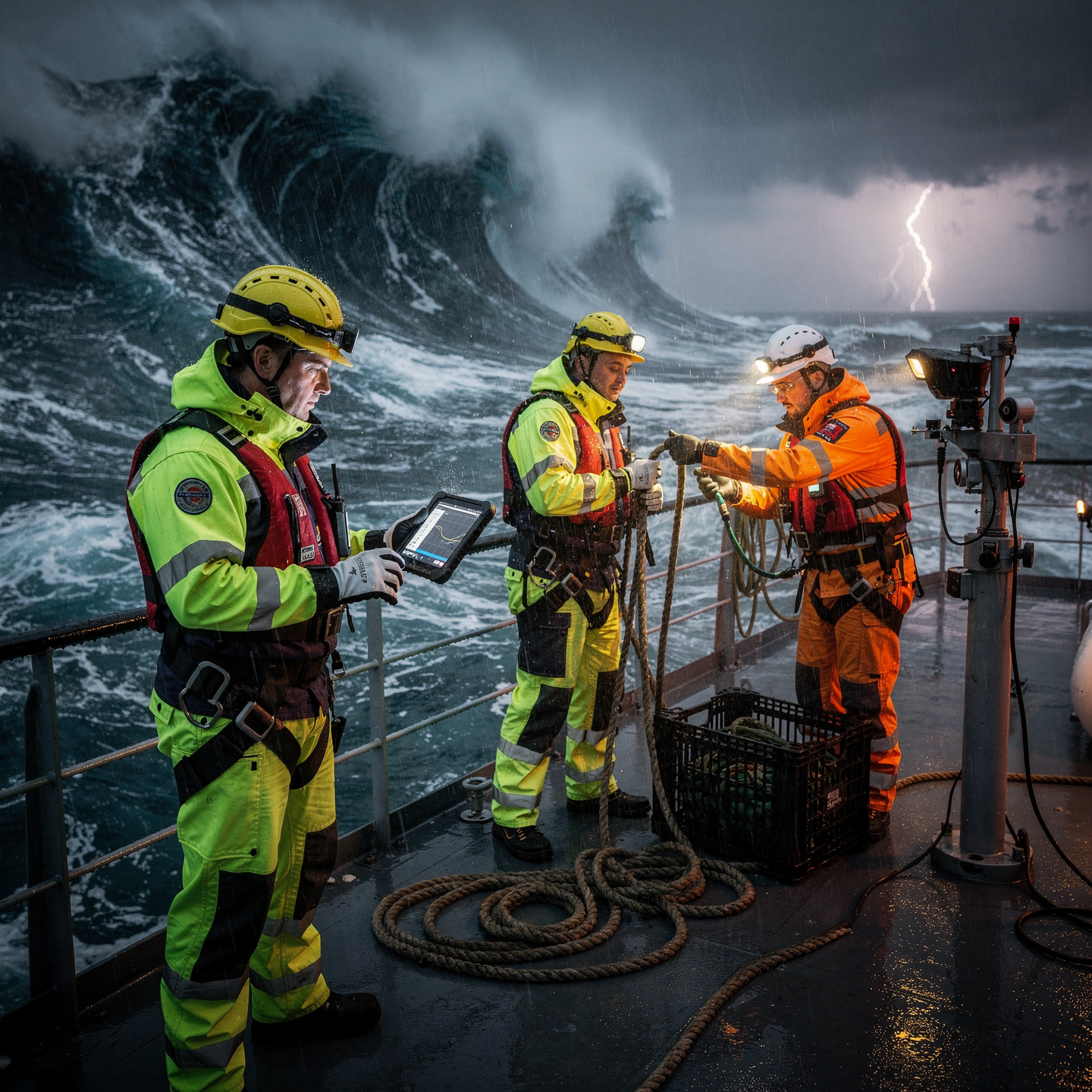
prepares you for unparalleled challenges in the most hostile environments on the planet. Learn to master the survival and resilience techniques necessary to thrive in adverse conditions, from the scorching desert to the frozen tundra. This intensive program combines theoretical knowledge with immersive practice, giving you the tools to lead, collaborate, and make critical decisions in high-pressure situations.

Differentiating Advantages

  • Realistic Simulations: Experience controlled survival scenarios to develop your response skills.
  • Expert Instructors: Learn from professionals with real-world experience in extreme environments, from rescuers to explorers.
  • Multidisciplinary Skills: Master navigation techniques, first aid, shelter construction, resource gathering, and effective communication.
  • Leadership Development: Strengthen your ability to make decisions under pressure, manage teams, and motivate others in critical situations.
  • Recognized Certification: Earn a credential that validates your skills and knowledge to confidently face extreme environments.
Adaptación

Adaptation to Extreme Environments Course

Availability: 1 in stock

Who is it aimed at?

  • Rescue and emergency professionals operating in adverse weather conditions, such as storms, floods, or extreme temperatures.
  • Security and law enforcement personnel deployed in conflict or high-risk areas, who need to adapt to hostile environments.
  • Humanitarian and aid workers providing assistance in areas affected by natural disasters or humanitarian crises.
  • Explorers and adventurers seeking to acquire skills to survive and thrive in challenging natural environments.
  • Military and defense personnel requiring specialized training to operate in unconventional combat scenarios.

Flexibility and applicability

Designed for professionals with busy schedules demanding: learn at your own pace, access to 24/7 online resources and practical cases applicable to various professional contexts.

Adaptación

Objectives and competencies

Maintaining cognitive and physical function under stress:

“Prioritizing safety through fatigue management, effective communication, and informed decision-making under pressure.”

Developing psychological and emotional resilience in the face of adversity:

“Adapt active coping strategies, seeking practical solutions and social support to overcome obstacles.”

Implement customized survival strategies based on the environment:

Adapt land navigation and orientation techniques (use of compass, maps, GPS) and water navigation techniques (reading nautical charts, calculating tides) considering adverse weather conditions and available resources.

Apply precise orientation and navigation techniques in challenging conditions:

“Use integrated navigation systems (GPS, RADAR, AIS), interpreting data and applying drift and current corrections.”

Establish and maintain effective communication in crisis situations:

Implement clear and concise internal and external communication protocols, adapted to different crisis scenarios and audiences, ensuring the timely transmission of accurate and reliable information.

Assess and mitigate specific risks in hostile environments:

Implement robust physical and cybersecurity protocols, including access management, constant monitoring and incident response, adapting them to the specific threats identified in the environmental risk assessment.

Curriculum - Modules

  1. Comprehensive Maritime Incident Management: protocols, roles, and chain of command for coordinated response
  2. Operational Planning and Execution: briefing, routes, weather windows, and go/no-go criteria
  3. Rapid Risk Assessment: criticality matrix, scene control, and decision-making under pressure
  4. Operational Communication: VHF/GMDSS, standardized reports, and inter-agency liaison
  5. Tactical Mobility and Safe Boarding: RHIB maneuvers, approach, mooring, and recovery
  6. Equipment and Technologies: PPE, signaling, satellite tracking, and field data logging
  7. Immediate Care of the Affected: primary assessment, hypothermia, trauma, and stabilization for evacuation
  8. Adverse Environmental Conditions: swell, Visibility, flows, and operational mitigation

    Simulation and training: critical scenarios, use of VR/AR, and exercises with performance metrics

    Documentation and continuous improvement: lessons learned, indicators (MTTA/MTTR), and SOP updates

  1. Fundamentals of Survival: Psychology of survival, rule of three, priorities.
  2. Risk Assessment in Hostile Environments: Identification, analysis, and mitigation.
  3. Land Navigation and Orientation: Use of maps, compasses, and GPS; Navigation without instruments.
  4. First aid in emergency situations: Victim assessment, CPR, hemorrhage control, treatment of wounds and burns.

    Shelter construction: Types of shelters, material selection, construction techniques.

    Water collection and purification: Identification of water sources, purification methods.

    Fire and signaling: Fire-starting techniques, types of fuels, rescue signaling.

    Foraging in the wild: Identification of edible plants and animals, hunting and gathering techniques.

    Basic rescue techniques: Victim extraction, improvised transport, signaling for rescue teams.

    Communication and signaling protocols: Use of radios, smoke signals, mirrors, and other methods of communication.

  1. Survival Principles: Mindset, Planning, Equipment.
  2. First Aid in Hostile Environments: Hemorrhage Control, Immobilization, Hypothermia/Hyperthermia.
  3. Land Navigation and Orientation: Maps, Compass, GPS, Triangulation Techniques.
  4. Emergency Shelter Construction and Fire Management.
  5. Water Collection and Purification: Sources, Filtration Methods, Water Treatment.
  6. Foraging for Wild Food: Identification, Risks, Basic Preparation.
  7. Emergency Signaling and Communication: Visual/Audible Signals, Radio, Rescue Protocols.
  8. Basic Rescue Techniques: Extraction, Carrying the Injured, Ropes.
  9. Survival in Extreme Climates: Heat, Cold, Desert, mountain, jungle.
  10. Basic self-defense: threat assessment, deterrence techniques, personal defense.

  1. Survival Essentials: Priorities, survival psychology, the rule of three.
  2. Shelter Construction: Types, materials, location, insulation, camouflage.
  3. Fire: Ignition techniques (friction, spark, lens), fuels, maintenance.
  4. Water: Searching, collecting (condensation, rain, dew), filtering, purification.
  5. Food: Identifying edible wild plants (precautions), hunting (basic traps), fishing.
  6. Orientation: Using a compass, solar and star navigation, creating rudimentary maps.
  7. Basic First Aid: Wounds, burns, fractures, hypothermia, heatstroke, stings/bites.
  8. Signaling and Rescue: Smoke signals, mirrors, fire, flags, construction of ground signals.
  9. Survival in Cold Climates: Hypothermia prevention, snow shelter construction, heat sources.
  10. Survival in Hot/Desert Climates: Dehydration prevention, sun protection, water search.

  1. Basic survival principles: mindset, planning, priorities.
  2. Land navigation and orientation: compass, topographic maps, GPS.
  3. Shelter construction: types of shelters, natural materials, insulation.
  4. Fire: ignition methods, types of fire, safety.
  5. Water procurement and purification: water sources, purification methods, storage.
  6. Food in the wild: identification of edible plants, basic hunting and fishing, traps.
  7. First aid in remote environments: managing wounds, fractures, hypothermia, heatstroke.
  8. Signaling and rescue: smoke signals, mirrors, emergency radios, rescue protocols.
  9. Survival in different climates: desert, mountains, jungle, Arctic.
  10. Ethical and legal considerations in survival situations.

  1. System Architecture and Components: Structural design, materials, and subsystems (mechanical, electrical, electronic, and fluid) with selection and assembly criteria for marine environments
  2. Fundamentals and Principles of Operation: Physical and engineering foundations (thermodynamics, fluid mechanics, electricity, control, and materials) that explain performance and operating limits
  3. Safety and Environmental (SHE): Risk analysis, PPE, LOTO, hazardous atmospheres, spill and waste management, and emergency response plans
  4. Applicable Regulations and Standards: IMO/ISO/IEC requirements and local regulations;
  5. Conformance criteria, certification, and best practices for operation and maintenance
  6. Inspection, testing, and diagnostics: Visual/dimensional inspection, functional testing, data analysis, and predictive techniques (vibration, thermography, fluid analysis) to identify root causes
  7. Preventive and predictive maintenance: Hourly/cycle/seasonal plans, lubrication, adjustments, calibrations, consumable replacement, post-service verification, and operational reliability
  8. Instrumentation, tools, and metrology: Measuring and testing equipment, diagnostic software, calibration and traceability; selection criteria, safe use, and storage
  9. Onboard integration and interfaces: Mechanical, electrical, fluid, and data compatibility; Sealing and watertightness, EMC/EMI, corrosion protection, and interoperability testing.

    Quality, acceptance testing, and commissioning: process and materials control, FAT/SAT, bench and sea trials, go/no-go criteria, and evidence documentation.

    Technical documentation and integrated practice: logs, checklists, reports, and a complete case study (safety → diagnosis → intervention → verification → report) applicable to any system.

Plan de estudio - Módulos

  1. Comprehensive Maritime Incident Management: protocols, roles, and chain of command for coordinated response
  2. Operational Planning and Execution: briefing, routes, weather windows, and go/no-go criteria
  3. Rapid Risk Assessment: criticality matrix, scene control, and decision-making under pressure
  4. Operational Communication: VHF/GMDSS, standardized reports, and inter-agency liaison
  5. Tactical Mobility and Safe Boarding: RHIB maneuvers, approach, mooring, and recovery
  6. Equipment and Technologies: PPE, signaling, satellite tracking, and field data logging
  7. Immediate Care of the Affected: primary assessment, hypothermia, trauma, and stabilization for evacuation
  8. Adverse Environmental Conditions: swell, Visibility, flows, and operational mitigation

    Simulation and training: critical scenarios, use of VR/AR, and exercises with performance metrics

    Documentation and continuous improvement: lessons learned, indicators (MTTA/MTTR), and SOP updates

  1. Fundamentals of Survival: Psychology of survival, rule of three, priorities.
  2. Risk Assessment in Hostile Environments: Identification, analysis, and mitigation.
  3. Land Navigation and Orientation: Use of maps, compasses, and GPS; Navigation without instruments.
  4. First aid in emergency situations: Victim assessment, CPR, hemorrhage control, treatment of wounds and burns.

    Shelter construction: Types of shelters, material selection, construction techniques.

    Water collection and purification: Identification of water sources, purification methods.

    Fire and signaling: Fire-starting techniques, types of fuels, rescue signaling.

    Foraging in the wild: Identification of edible plants and animals, hunting and gathering techniques.

    Basic rescue techniques: Victim extraction, improvised transport, signaling for rescue teams.

    Communication and signaling protocols: Use of radios, smoke signals, mirrors, and other methods of communication.

  1. Survival Principles: Mindset, Planning, Equipment.
  2. First Aid in Hostile Environments: Hemorrhage Control, Immobilization, Hypothermia/Hyperthermia.
  3. Land Navigation and Orientation: Maps, Compass, GPS, Triangulation Techniques.
  4. Emergency Shelter Construction and Fire Management.
  5. Water Collection and Purification: Sources, Filtration Methods, Water Treatment.
  6. Foraging for Wild Food: Identification, Risks, Basic Preparation.
  7. Emergency Signaling and Communication: Visual/Audible Signals, Radio, Rescue Protocols.
  8. Basic Rescue Techniques: Extraction, Carrying the Injured, Ropes.
  9. Survival in Extreme Climates: Heat, Cold, Desert, mountain, jungle.
  10. Basic self-defense: threat assessment, deterrence techniques, personal defense.

  1. Survival Essentials: Priorities, survival psychology, the rule of three.
  2. Shelter Construction: Types, materials, location, insulation, camouflage.
  3. Fire: Ignition techniques (friction, spark, lens), fuels, maintenance.
  4. Water: Searching, collecting (condensation, rain, dew), filtering, purification.
  5. Food: Identifying edible wild plants (precautions), hunting (basic traps), fishing.
  6. Orientation: Using a compass, solar and star navigation, creating rudimentary maps.
  7. Basic First Aid: Wounds, burns, fractures, hypothermia, heatstroke, stings/bites.
  8. Signaling and Rescue: Smoke signals, mirrors, fire, flags, construction of ground signals.
  9. Survival in Cold Climates: Hypothermia prevention, snow shelter construction, heat sources.
  10. Survival in Hot/Desert Climates: Dehydration prevention, sun protection, water search.

  1. Basic survival principles: mindset, planning, priorities.
  2. Land navigation and orientation: compass, topographic maps, GPS.
  3. Shelter construction: types of shelters, natural materials, insulation.
  4. Fire: ignition methods, types of fire, safety.
  5. Water procurement and purification: water sources, purification methods, storage.
  6. Food in the wild: identification of edible plants, basic hunting and fishing, traps.
  7. First aid in remote environments: managing wounds, fractures, hypothermia, heatstroke.
  8. Signaling and rescue: smoke signals, mirrors, emergency radios, rescue protocols.
  9. Survival in different climates: desert, mountains, jungle, Arctic.
  10. Ethical and legal considerations in survival situations.

  1. System Architecture and Components: Structural design, materials, and subsystems (mechanical, electrical, electronic, and fluid) with selection and assembly criteria for marine environments
  2. Fundamentals and Principles of Operation: Physical and engineering foundations (thermodynamics, fluid mechanics, electricity, control, and materials) that explain performance and operating limits
  3. Safety and Environmental (SHE): Risk analysis, PPE, LOTO, hazardous atmospheres, spill and waste management, and emergency response plans
  4. Applicable Regulations and Standards: IMO/ISO/IEC requirements and local regulations;
  5. Conformance criteria, certification, and best practices for operation and maintenance
  6. Inspection, testing, and diagnostics: Visual/dimensional inspection, functional testing, data analysis, and predictive techniques (vibration, thermography, fluid analysis) to identify root causes
  7. Preventive and predictive maintenance: Hourly/cycle/seasonal plans, lubrication, adjustments, calibrations, consumable replacement, post-service verification, and operational reliability
  8. Instrumentation, tools, and metrology: Measuring and testing equipment, diagnostic software, calibration and traceability; selection criteria, safe use, and storage
  9. Onboard integration and interfaces: Mechanical, electrical, fluid, and data compatibility; Sealing and watertightness, EMC/EMI, corrosion protection, and interoperability testing.

    Quality, acceptance testing, and commissioning: process and materials control, FAT/SAT, bench and sea trials, go/no-go criteria, and evidence documentation.

    Technical documentation and integrated practice: logs, checklists, reports, and a complete case study (safety → diagnosis → intervention → verification → report) applicable to any system.

  1. Introduction to Crisis Management: Key concepts, types of crises, and phases.
  2. Risk Assessment: Identifying threats, vulnerabilities, and impact analysis.
  3. Basic Survival: Survival priorities (shelter, water, fire, signaling).
  4. First Aid in Emergency Situations: Treating wounds, burns, fractures, and CPR.
  5. Emergency Logistics: Essential supplies, resource management, and transportation.
  6. Communication in Crisis Situations: Communication protocols, equipment, and information management.
  7. Response Planning: Developing contingency plans, roles, and responsibilities.
  8. Stress Management and Resilience: Coping techniques, self-care, and psychological support.
  9. Work Teamwork and leadership in crisis situations: Coordination, decision-making, and effective communication.

    Emergency drills and exercises: Preparation, execution, and evaluation.

  1. Survival Fundamentals: Survival psychology, risk assessment, and prioritization.
  2. First Aid in Extreme Conditions: Treatment of wounds, burns, fractures, hypothermia, and hyperthermia.
  3. Shelter Construction: Site selection, materials, and construction techniques.
  4. Water Collection and Purification: Water sources, purification methods, and storage.
  5. Fire: Ignition methods, types of fire, safety, and uses.
  6. Land Navigation and Orientation: Use of maps, compasses, GPS, and natural navigation techniques.
  7. Foraging: Identification of edible plants and animals, hunting and fishing techniques.
  8. Emergency Signaling and Communication: Visual, auditory, and electronics.
  9. Self-defense: basic self-defense techniques and use of improvised weapons.
  10. Rescue and evacuation: rescue procedures, transport of the wounded, and evacuation planning.

  1. Introduction to Survival and Resilience: Key Concepts and Fundamental Principles
  2. Risk and Hazard Assessment: Identifying, analyzing, and prioritizing threats in extreme environments.
  3. Mental and Emotional Preparedness: Techniques for managing stress, anxiety, and fear in crisis situations.
  4. Advanced First Aid Skills: Treating serious injuries, hypothermia, burns, and other medical emergencies.
  5. Shelterage and Construction Techniques: Creating temporary and permanent shelters using natural resources and improvised tools.
  6. Water Collection and Purification: Methods for finding, collecting, and purifying water in different environments.
  7. Foraging in the Wild: Identifying edible plants and animals, techniques for Sustainable hunting and fishing.
  8. Land Navigation and Orientation: Use of maps, compasses, GPS, and other instruments for navigation in unfamiliar terrain.

    Emergency Communication and Signaling: Methods for establishing contact with rescue teams and others in crisis situations.

    Long-Term Resilience: Strategies for maintaining physical and mental health, adapting to change, and rebuilding life after an extreme experience.

  1. Introduction to Survival: Mindset, priorities (PAR), basic equipment.
  2. Land Navigation and Orientation: Maps, compasses, GPS, navigation techniques without technology.
  3. Fire: Methods of ignition, types of fire, safety, and conservation.
  4. Shelter: Construction of natural shelters, site selection, materials, and insulation.
  5. Water: Locating, collecting, purifying, and storing drinking water.
  6. Food: Identifying edible plants, basic hunting and fishing, traps.
  7. First Aid in Harsh Environments: Treatment of wounds, fractures, burns, hypothermia, and hyperthermia.
  8. Basic Rescue: Distress signals, rescue techniques with and without equipment Equipment, communication.

    Movement and transport: Overcoming obstacles, transporting the wounded, building improvised rafts.

    Basic logistics: Route planning, calculating supplies, managing limited resources.

Career opportunities

  • Organizational Resilience Consultant: Design and implementation of strategies to address crises and adaptations in companies.
  • Emergency and Disaster Manager: Coordination of resources and response plans for extreme situations.
  • Hostile Environment Researcher: Collection and analysis of data under adverse conditions (weather, altitude, etc.).
  • Safety and Survival Specialist: Training and instruction in survival and self-protection techniques.
  • Expedition and Outdoor Activity Planner: Design and management of trips and events in demanding natural environments.
  • Occupational Risk Prevention Technician in High-Risk Sectors: Risk assessment and control in mining, construction, etc.
  • Equipment and Materials Design Consultant for High-Risk Conditions Extreme environments: Development of products adapted to hostile environments.

    Trainer in leadership and teamwork skills under pressure: Development of skills to manage teams in crisis.

    “`

Admission requirements

Academic/professional profile:

Degree/Bachelor's degree in Nautical Science/Maritime Transport, Naval/Marine Engineering, or a related field; or proven professional experience in bridge/operations.

Language proficiency:

Recommended functional maritime English (SMCP) for simulations and technical materials.

5. Induction

Updated resume, copy of degree or seaman's book, ID card/passport, letter of motivation.

Technical requirements (for online):

Equipment with camera/microphone, stable connection, ≥ 24” monitor recommended for ECDIS/Radar-ARPA.

Admission process and dates

1. Online
application

(form + documents).

2. Academic review and interview

(profile/objectives/schedule compatibility).

3. Admission decision

(+ scholarship proposal if applicable).

4. Reservation of place

(deposit) and registration.

5. Induction

(access to campus, calendars, simulator guides).

Scholarships and grants

  • Develop resilience: Learn proven strategies to cope with adversity and constant change.
  • Make effective decisions: Master analysis and prioritization techniques under pressure in critical situations.
  • Adaptable leadership: Strengthen your ability to guide teams in volatile and uncertain contexts.
  • Risk management: Identify, assess, and mitigate potential hazards in challenging environments.
  • Strategic communication: Improve your skills in delivering clear and persuasive messages in critical situations.
Prepare to thrive in any scenario with our Adapting to Extreme Environments training.

Testimonials

Frequently asked questions

“Extreme” refers to environments with conditions that deviate significantly from those optimal for most life, presenting intense physiological challenges, such as extreme temperatures, high salinity, extreme pressure, nutrient scarcity, or high radiation.

Yes. The itinerary includes ECDIS/Radar-ARPA/BRM with harbor, ocean, fog, storm, and SAR scenarios.

Online with live sessions; hybrid option for simulator/practical placements through agreements.

Recommended functional SMCP. We offer support materials for standard phraseology.

Yes, with a relevant degree or experience in maritime/port operations. The admissions interview will confirm suitability.

Optional (3–6 months) through Companies & Collaborations and the Alumni Network.

Simulator practice (rubrics), defeat plans, SOPs, checklists, micro-tests and applied TFM.

A degree from Navalis Magna University + operational portfolio (tracks, SOPs, reports and KPIs) useful for audits and employment.

  1. Introduction to Survival: Mindset, priorities (PAR), basic equipment.
  2. Land Navigation and Orientation: Maps, compasses, GPS, navigation techniques without technology.
  3. Fire: Methods of ignition, types of fire, safety, and conservation.
  4. Shelter: Construction of natural shelters, site selection, materials, and insulation.
  5. Water: Locating, collecting, purifying, and storing drinking water.
  6. Food: Identifying edible plants, basic hunting and fishing, traps.
  7. First Aid in Harsh Environments: Treatment of wounds, fractures, burns, hypothermia, and hyperthermia.
  8. Basic Rescue: Distress signals, rescue techniques with and without equipment Equipment, communication.

    Movement and transport: Overcoming obstacles, transporting the wounded, building improvised rafts.

    Basic logistics: Route planning, calculating supplies, managing limited resources.

Request information

  1. Complete the Application Form
  2. Attach your CV/Qualifications (if you have them to hand).
  3. Indicate your preferred cohort (January/May/September) and whether you want the hybrid option with simulator sessions.
An academic advisor will contact you within 24–48 hours to guide you through the admission process, scholarships, and compatibility with your professional schedule. Translated with DeepL.com (free version)
Please enable JavaScript in your browser to complete this form.
Click or drag a file to this area to upload.

Teachers

0
    0
    Tu carrito
    Tu carrito esta vacíoRegresar a la tienda
    Scroll to Top


