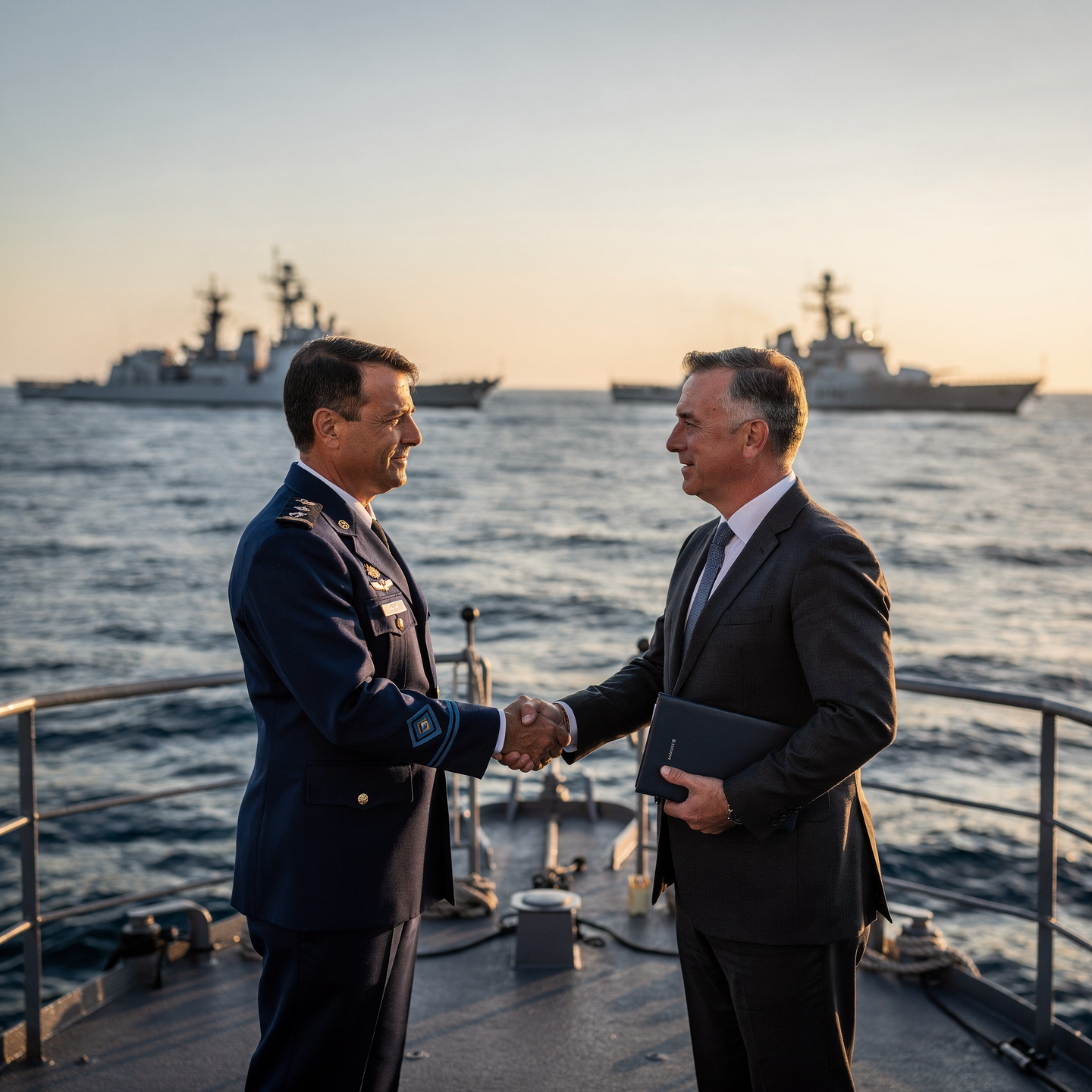
Master’s Degree in Arbitration and Maritime Dispute Resolution
Why this master’s programme?
The Master’s in Maritime Arbitration and Dispute Resolution
This program provides you with the tools and specialized knowledge to successfully manage disputes within the maritime sector. Learn to analyze charter agreements, marine insurance, ship purchase agreements, and other key agreements, mastering the techniques of negotiation, mediation, and arbitration. This program prepares you to be an dispute resolution expert, understanding the specifics of international maritime law and arbitration procedures.
Differential Advantages
- Practical Approach: Analysis of real cases and arbitration simulations.
- Expert Faculty: Leading professionals in the field of international maritime arbitration.
- Networking: Networking opportunities with lawyers, arbitrators, and companies in the sector.
- Global Perspective: Comparative study of different maritime arbitration systems.
- Professional Development: Improve your communication, negotiation, and legal argumentation skills.
- Modality: Online
- Level: Masters
- Hours: 1600 H
- Start date: 26-04-2026
Availability: 1 in stock
Who is it aimed at?
- Maritime and corporate lawyers seeking to specialize in dispute resolution in the shipping sector.
- Marine insurance professionals (brokers, underwriters, adjusters) interested in understanding the legal framework for claims and arbitration.
- Shipping line, port, and logistics company executives wishing to acquire negotiation and risk management skills in maritime contracts.
- Maritime consultants and advisors seeking to expand their expertise in international arbitration and mediation in the maritime field.
- Law, Business Administration, or related graduates with an interest in maritime law and alternative dispute resolution mechanisms.
Flexibility For the professional
Adapted to demanding schedules: flexible online format, 24/7 access to resources, and networking with international maritime arbitration experts.
Objectives and skills

Mastering mediation techniques in complex maritime disputes:
“Analyze legal documentation (contracts, policies, expert reports) and identify key points of conflict accurately and quickly.”

Analyze and apply the international legal framework to maritime arbitration:
Identify and apply international conventions (New York Convention, UNCITRAL Rules) in the drafting of arbitration clauses and execution of awards, considering the jurisdiction and law applicable to the maritime transport contract.

Effectively manage arbitration processes, from the appointment of arbitrators to the issuance of awards:
“To know the applicable arbitration laws and regulations, to draft sound arbitration agreements, and to defend the interests of the parties involved during the arbitration process.”

Develop advanced skills in drafting and negotiating sound maritime contracts:
“To develop complex contractual clauses that mitigate industry-specific risks and optimize the protection of the company’s interests.”

Assessing and mitigating risks in maritime operations through alternative dispute resolution:
Implement negotiation and mediation strategies in crisis situations, considering cultural and legal factors, to reach effective agreements that minimize losses and prevent escalation of conflict.

Implementing strategies for preventing and resolving disputes in the field of maritime law:
“Analyze marine insurance policies and apply dispute resolution clauses (arbitration, mediation) effectively and with knowledge of relevant case law.”
Study plan – Modules
- Fundamentals of Maritime Arbitration: International Conventions, Contracts, and Specific Arbitration Clauses
- Essential Principles of Mediation: Confidentiality, Voluntariness, and Neutrality in Maritime Disputes
- Advanced Analysis and Diagnosis of Maritime Disputes: Identifying Interests, Positions, and Underlying Factors
- Effective Communication Techniques: Active Listening, Reframing, and Emotional Management for Expert Mediators
- Integrative and Distributive Negotiation Strategies in the Maritime Field: Tactics, Timing, and Handling Dilatory Tactics
- Designing Structured Mediation Processes: Phases and Protocols Adapted to Complex Maritime Disputes
- Multi-Party and Multi-Jurisdictional Mediation: Coordination, Managing Multiple Claimants and Diverse Jurisdictions
- Use of Advanced Technologies: Digital Platforms for Remote mediation, secure documentation, and agreement monitoring
Legal and ethical framework applied to maritime mediation: codes of conduct, liability, and sanctions
Drafting and formalizing mediation agreements: compliance clauses, optional enforcement, and review mechanisms
Studies of paradigmatic cases and simulated resolution: arbitration vs. mediation, benefits, and practical applicability
Evaluation and continuous improvement tools: success metrics, feedback, and ongoing professional development
Role of the expert mediator in conflicts of international dimensions: diplomacy, cultural sensitivity, and advanced interpersonal skills
- International legal framework applicable to maritime arbitration: New York Convention 1958, UNCITRAL and CSMY
- In-depth analysis of the United Nations Convention on the Law of the Sea (UNCLOS) and its impact on arbitral jurisdiction
- Fundamental principles of arbitration in maritime disputes: party autonomy, jurisdiction, and lex arbitri
- Specific arbitral procedures in the maritime field: filing of claims, notification, provisional measures, and expert evidence
- Advanced techniques for evaluating and selecting arbitrators specializing in maritime law and international transport
- Key international case law: analysis of landmark cases and binding judgments on liability, collision, and cargo law
- Methodologies for assessing damages in complex maritime disputes and their valuation in arbitration
- Incorporation
- Technical and documentary evidence: knowledge of maritime experts, expert witnesses, and specialized technical reports
- Conciliation and mediation procedures parallel to arbitration: integration of alternative methods for efficient conflict resolution
- Arbitration clauses and arbitration agreements: advanced drafting and strategies for dispute prevention
- Practical challenges in the enforcement of arbitral awards in different maritime jurisdictions and mechanisms for recognition and enforcement
- Legal and technical implications of marine insurance and its influence on arbitration proceedings
- Simulated arbitration case studies: from initial submission to award issuance, including risk analysis and crisis management
- Technological and digital tools applied in maritime arbitration processes: document management, virtual hearings, and information security
- Ethics and professional responsibilities of arbitrators and lawyers in conflict resolution maritime
- International Legal Framework for Maritime Arbitration: New York Convention, UNCITRAL, and ICSID Rules
- Theoretical and Practical Foundations of Mediation: Principles, Stages, and Models Applied to Maritime Disputes
- Cultural Diversity and Its Impact on Conflict Resolution: Intercultural Skills for Mediators and Arbitrators
- Strategic Negotiation Analysis: Interest Assessment, BATNA, ZOPA, and Value Creation in Maritime Commercial Disputes
- Design and Implementation of Arbitration Clauses in Shipping and Maritime Transport Contracts
- Advanced Communication Techniques in Mediation and Arbitration: Active Listening, Reframing Techniques, and Emotional Management in High-Tension Contexts
- Specific Procedures for Maritime Arbitration: Selection of Arbitrators, Process Administration, Technical Evidence, and Naval Expert Reports
- Management of Evidence and Technical Documentation: Expert Reports, Digital Evidence, and the Use of Forensic Technology in Maritime Arbitration
- Study of Landmark Cases and Relevant Jurisprudence in International Maritime Arbitration and Mediation
- Strategies for the Enforcement and Compliance with Arbitral Awards: Judicial Mechanisms and Precautionary Measures in International Jurisdictions
- Ethical and Deontological Aspects in the Practice of Arbitration and Mediation in the Maritime Sector
- Technological Innovations in Dispute Resolution: Use of Digital Platforms, Blockchain, and Artificial Intelligence for Arbitration Management
- Alternative Dispute Resolution in Marine Insurance, Chartering, and International Sales Contracts
- Practical Simulations and Role-Playing for Acquiring Skills in Mediation and Arbitration under Complex Scenarios
- Evaluation and Design of customized strategic plans for the prevention and effective resolution of conflicts in international maritime operations
- Fundamentals of Maritime Accident Investigation: International Regulatory Framework and Applicable Jurisdictions
- Chain of Evidence: Protocols for the Preservation, Documentation, and Transport of Physical and Digital Evidence
- Advanced Techniques for Maritime Accident Reconstruction: Dynamic Modeling, CFD Simulations, and Forensic Analysis of Structural Damage
- Technical and Expert Assessment of Damage to Ships, Cargo, and Port Infrastructure: Quantitative and Qualitative Methods
- Study and Interpretation of Satellite Imagery, AIS Radar, and Sensor Data for Evidentiary Analysis in Claims
- Procedures for Obtaining and Validating Digital Evidence: Electronic Navigation Records, ECDIS System Data, and Bridge Recordings
- Comprehensive Evidence Management in International Maritime Litigation: Chain of Custody, Documentary Custody, and Court Presentation
- Expert Reports Multidisciplinary approaches and preparation of expert technical reports with legal and scientific rigor.
Interview and statement-taking techniques for witnesses and those involved in maritime accidents.
Digital tools and specialized software for accident reconstruction and evidence analysis.
Implications of artificial intelligence and big data in the investigation and prevention of maritime accidents.
IMO regulations and key international conventions for evidence management and dispute resolution.
Critical analysis of real maritime accident cases and practical application of acquired knowledge.
Strategies for presenting and defending expert conclusions before national and international jurisdictions.
Ethical aspects and professional responsibility in expert work in the maritime field.
- International Legal Framework for Maritime Arbitration: Main Conventions (New York 1958, UNCITRAL Model Law, ICSID), their validity and practical application in transnational disputes
- Comprehensive Analysis of Relevant Arbitral Institutions: characteristics, rules, and landmark cases of the ICC, LCIA, SIAC, and SIAM
- Arbitral Procedures in Maritime Disputes: phases, admissibility rules, evidence, and precautionary measures under various systems
- Comparison of National and Regional Regulations on Maritime Arbitration: divergent approaches in the European Union, the United States, Asia-Pacific, and Latin America
- Selection of Arbitrators: technical, interdisciplinary, and independence criteria applied to complex disputes in transport, insurance, and charter party contracts
- Dispute Resolution on the Interpretation and Enforcement of Maritime Conventions: Analysis of Arbitration Clauses and Binding International Arbitration Agreements
Application of Maritime and Commercial Law Principles in Arbitration: Lex Mercatoria, Maritime Customs, and their Integration with Conventional Regulations
Challenges in the Enforcement of Maritime Arbitral Awards: Legal Obstacles, International Recognition, and Appeal Mechanisms
Impact of Technology and Digitalization on the Arbitral Process: Electronic Evidence, Virtual Hearings, and Information Security
Case Studies and Advanced Simulations of Maritime Arbitration: Negotiation Strategies, Evidence Gathering, and Drafting Technical Awards
- Legal Foundations of International Maritime Arbitration: The New York and Geneva Conventions and the Role of UNCITRAL
- Design and Structure of Arbitration Clauses in Maritime Contracts: Essential Elements, Strategic Drafting, and Dispute Prevention
- Advanced Negotiation Techniques: Applied Game Theory, Interest Analysis, and BATNA (Best Alternative to a Negotiated Agreement) in the Maritime Context
- Maritime Mediation: Process Phases, Role of the Specialized Mediator, and Particularities in Disputes Related to Transportation, Cargo, and Naval Logistics
- Maritime Arbitration Procedures: Protocols, Admissibility of Evidence, Filing of the Claim and Defense, and Provisional Measures
- Methodologies for Early Dispute Resolution: Risk Assessment, Pre-Arbitration Strategies, and Assisted Negotiation
- Use of Technologies and Digital Tools in Maritime Arbitration: Electronic Platforms, Management Documentary and virtual hearings
Analysis of relevant case law and its impact on international maritime arbitration practice
Ethics and professional responsibility in mediation and arbitration: confidentiality, impartiality, and conflicts of interest
Practical simulations of negotiation, mediation, and arbitration hearings with complex and multidisciplinary maritime scenarios
- Fundamentals of Maritime Dispute Resolution: Typologies, Causes, and Specific Characteristics in the International Sphere
- International Regulatory Framework Applicable to Arbitration and Maritime Dispute Resolution: UNCITRAL, Arbitration Clauses, and Relevant International Conventions
- Design and Implementation of Preemptive Strategies for Maritime Dispute Management: Prevention, Mitigation, and Crisis Management
- Advanced Technologies for Evidence Gathering in Maritime Disputes: Geolocation Systems, Satellite Monitoring, and Smart Maritime Sensors
- Digital Tools for Data Analysis and Visualization in International Disputes: Blockchain, Artificial Intelligence, and Secure Collaborative Platforms
- Communication and Negotiation Protocols in Multijurisdictional Environments: Interpreting Cultural, Legal, and Operational Differences
- Application of Alternative Dispute Resolution (ADR) Methods in the Maritime Context: Mediation, Conciliation, and Arbitration
Specialized
Integration of emerging technologies in maritime arbitration processes: videoconferencing, electronic document management systems, and certified digital signatures
Case studies and complex simulations of international disputes resolved through innovative technological solutions
Evaluation of the strategic and operational impact of technology management on reducing time and costs in international maritime arbitrations
- Conceptual and legal framework of maritime arbitration: historical evolution, guiding principles, and applicable international regulations
- Disruptive technologies in arbitration: artificial intelligence, blockchain, and their impact on the administration of maritime justice
- Advanced electronic platforms for case management and evidence presentation in maritime arbitration
- Virtual dispute resolution: protocols for remote hearings, cybersecurity, and procedural safeguards
- Integration of big data and predictive analytics for risk assessment and decision-making in maritime disputes
- Use of electronic signatures and digital notifications in international arbitration proceedings
- Case studies and recent jurisprudence highlighting the application of new technologies in maritime arbitration
- Innovative strategies for technology-assisted mediation and conciliation in the maritime sector
- Technical and legal aspects of cybersecurity in the management of arbitrary information in maritime disputes
- Future perspectives and emerging trends in the digitization and automation of arbitration and maritime dispute resolution
- Fundamentals of International Maritime Law: Principles and Sources Applicable to Arbitration and Mediation in Maritime Disputes
- Key International Conventions: Detailed Analysis of the New York Convention (1958), the Convention on the Recognition and Enforcement of Foreign Arbitral Awards, and the Role of the UNCITRAL Convention on Commercial Arbitration
- Jurisdiction and Competence in Maritime Disputes: Limits and Scope of Arbitration Before National and International Courts
- Applicable Regulations in Maritime Arbitration Proceedings: A Study of the CMI Arbitration Rules and Other Relevant Institutional Rules
- Maritime Mediation as an Alternative Dispute Resolution Mechanism: Legal Framework and International Standards
- Practical Procedures for Initiation, Development and conclusion of maritime arbitration: notifications, filing of claims, evidence, and hearings
Roles and responsibilities of the parties involved: arbitrators, parties, legal representatives, and technical experts in maritime proceedings
Document and evidence management in maritime arbitration: protocols for the presentation, custody, and evaluation of technical and testimonial evidence
Comparative analysis of jurisdictional and arbitral practices in strategic maritime markets: Europe, the Americas, Asia, and Oceania
Enforceability and recognition of arbitral awards in maritime matters: strategies for enforcement and defense against potential challenges
Prevention and management of conflicts in the maritime sector: integrated application of arbitration and mediation for efficiency and cost reduction
Ethical and compliance aspects in maritime arbitration and mediation: transparency, impartiality, and confidentiality in the process
Case studies and advanced simulations: dispute resolution regarding contracts Chartering, collision damages, marine pollution, and marine insurance through arbitration and mediation
Integration of digital technologies and management systems for the efficient administration of maritime arbitration processes
Future perspectives and trends in the legal and procedural framework of maritime arbitration and mediation: the impact of globalization and digitalization
- International legal framework for maritime arbitration: in-depth analysis of international conventions, bilateral and multilateral treaties applicable to dispute resolution in the maritime sphere.
- Specific regulations and their practical application: UNCITRAL, the New York Convention, and the International Chamber of Commerce (ICC) Rules in maritime arbitration.
- Conceptual design of integrated dispute resolution systems: structure, components, and process flows for the agile and effective management of maritime disputes.
- Emerging technological tools: implementation of digital platforms, artificial intelligence, and blockchain for the administration, monitoring, and execution of arbitration proceedings.
- Security and confidentiality protocols in the electronic management of maritime arbitration cases, including GDPR regulations and their application in the protection of sensitive data.
- Integration of negotiation and mediation techniques in hybrid maritime dispute resolution systems to optimize time and costs.
- Comparative analysis of Alternative dispute resolution methods: arbitration, mediation, conciliation, and maritime litigation, with a focus on effectiveness and sector specialization.
Development of predictive models based on artificial intelligence for risk assessment and potential outcomes in maritime disputes.
Practical implementation: design of action plans and timelines for the implementation of an integrated system, considering legal, technical, and operational aspects.
Study of real-world cases and advanced simulations: resolution of complex conflicts using technological tools and the application of updated international regulations.
Key performance indicators (KPIs) and efficiency metrics for the continuous evaluation of the implemented maritime dispute resolution system.
Strategies for the training and development of professionals in the use and management of the integrated system, ensuring operational excellence and continuous updating.
Impact and future perspectives: global trends in maritime arbitration and technological development, anticipating challenges and opportunities for the continuous improvement of the system. system.
Career prospects
“`html
- Maritime Arbitrator: Dispute resolution in charter party agreements, marine insurance, ship sales, etc.
- Maritime Mediator: Facilitation of out-of-court settlements between parties in conflict in the maritime sector.
- Maritime Conciliator: Seeking amicable solutions to maritime disputes.
- Legal Advisor in Maritime Arbitration: Representation of clients in maritime arbitration proceedings.
- Consultant in Maritime Dispute Resolution: Design and implementation of conflict management systems in companies within the maritime sector.
- Marine Insurance and Claims Expert: Analysis and management of claims in the field of marine insurance, including dispute resolution.
- Lawyer Specialized in Maritime Law: with specific knowledge in arbitration and dispute resolution.
Maritime Risk Manager: identification, assessment, and mitigation of risks, including the resolution of potential disputes.
“`
Entry requirements

Academic/professional profile:
Bachelor’s degree in Nautical Science/Maritime Transport, Naval/Marine Engineering or a related qualification; or proven professional experience on the bridge/in operations.

Language proficiency:
Functional Maritime English (SMCP) recommended for simulations and technical materials.

Documentation:
Updated CV, copy of qualification or seaman’s book, national ID/passport, motivation letter.

Technical requirements (for online):
Device with camera/microphone, stable internet connection, monitor ≥ 24” recommended for ECDIS/Radar-ARPA.
Admissions process and dates

Online
application
(form + documents).

Academic review and interview
Admissions decision

Admissions decision
(+ scholarship offer if applicable).

Place reservation
(deposit) and enrolment.

Induction
(access to the virtual campus, calendars, simulator guides).
Scholarships and financial support
- Practical Experience: Participate in arbitration simulations and real negotiations, developing your conflict resolution skills.
- Faculty of Experts: Learn from internationally recognized maritime arbitrators and lawyers specializing in maritime law.
- International Focus: Gain a global perspective on maritime arbitration practices and regulations worldwide.
- Tools and Resources: Master the latest techniques and digital resources for efficient arbitration case management.
- Professional Networking: Expand your network with maritime professionals and Classmates from all over the world.
Testimonials
This Master’s program provided me with the precise tools and knowledge to resolve a complex chartering case between a Greek shipowner and a Spanish chartering company. The mediation, based on the principles learned during the program, culminated in a mutually satisfactory agreement, avoiding a costly and lengthy arbitration process in London. Thanks to the training I received, I was able to identify the underlying interests of each party and facilitate effective communication that unlocked the negotiation and allowed us to reach a mutually beneficial solution.
During my Master’s degree in Maritime Law and Legislation, I developed a deep understanding of the legal framework governing maritime activities. I applied this knowledge to a final project where I analyzed legal liability in a hypothetical collision case in international waters, receiving the highest possible grade and commendation from the examining board for the accuracy and thoroughness of my analysis. This achievement solidified my interest in maritime law and has prepared me for a successful career in the sector.
“This Master’s degree provided me with the specific tools and knowledge to resolve a complex charter party case in which I acted as mediator. The practical application of the principles I learned about maritime law and negotiation techniques allowed me to guide the parties toward a satisfactory agreement, avoiding costly and protracted litigation. My mastery of Incoterms and understanding of the particularities of maritime arbitration were key to the success of the mediation.”
I applied the negotiation techniques learned in the Master’s program to resolve a multi-million dollar contractual dispute between a shipowner and a shipyard, achieving a satisfactory agreement for both parties that avoided a long and costly arbitration process.

Frequently asked questions
Arbitration and maritime dispute resolution
Yes. The itinerary includes ECDIS/Radar-ARPA/BRM with harbor, ocean, fog, storm, and SAR scenarios.
Online with live sessions; hybrid option for simulator/practical placements through agreements.
It covers both the resolution of maritime commercial disputes and aspects of public international maritime law.
Recommended functional SMCP. We offer support materials for standard phraseology.
Yes, with a relevant degree or experience in maritime/port operations. The admissions interview will confirm suitability.
Optional (3–6 months) through Companies & Collaborations and the Alumni Network.
Simulator practice (rubrics), defeat plans, SOPs, checklists, micro-tests and applied TFM.
A degree from Navalis Magna University + operational portfolio (tracks, SOPs, reports and KPIs) useful for audits and employment.
- International legal framework for maritime arbitration: in-depth analysis of international conventions, bilateral and multilateral treaties applicable to dispute resolution in the maritime sphere.
- Specific regulations and their practical application: UNCITRAL, the New York Convention, and the International Chamber of Commerce (ICC) Rules in maritime arbitration.
- Conceptual design of integrated dispute resolution systems: structure, components, and process flows for the agile and effective management of maritime disputes.
- Emerging technological tools: implementation of digital platforms, artificial intelligence, and blockchain for the administration, monitoring, and execution of arbitration proceedings.
- Security and confidentiality protocols in the electronic management of maritime arbitration cases, including GDPR regulations and their application in the protection of sensitive data.
- Integration of negotiation and mediation techniques in hybrid maritime dispute resolution systems to optimize time and costs.
- Comparative analysis of Alternative dispute resolution methods: arbitration, mediation, conciliation, and maritime litigation, with a focus on effectiveness and sector specialization.
Development of predictive models based on artificial intelligence for risk assessment and potential outcomes in maritime disputes.
Practical implementation: design of action plans and timelines for the implementation of an integrated system, considering legal, technical, and operational aspects.
Study of real-world cases and advanced simulations: resolution of complex conflicts using technological tools and the application of updated international regulations.
Key performance indicators (KPIs) and efficiency metrics for the continuous evaluation of the implemented maritime dispute resolution system.
Strategies for the training and development of professionals in the use and management of the integrated system, ensuring operational excellence and continuous updating.
Impact and future perspectives: global trends in maritime arbitration and technological development, anticipating challenges and opportunities for the continuous improvement of the system. system.
Request information
Complete the Application Form.
Attach your CV/degree certificate (if you have it to hand).
Indicate your preferred cohort (January/May/September) and whether you would like the hybrid option with simulator sessions.
An academic advisor will contact you within 24–48 hours to guide you through the admission process, scholarships, and compatibility with your professional schedule.
Faculty
Eng. Tomás Riera
Full Professor
Eng. Tomás Riera
Full Professor
Eng. Sofía Marquina
Full Professor
Eng. Sofía Marquina
Full Professor
Eng. Javier Bañuls
Full Professor
Eng. Javier Bañuls
Full Professor
Dr. Nuria Llobregat
Full Professor
Dr. Nuria Llobregat
Full Professor
Dr. Pau Ferrer
Full Professor
Dr. Pau Ferrer
Full Professor
Cap. Javier Abaroa (MCA)
Full Professor
Cap. Javier Abaroa (MCA)
Full Professor

