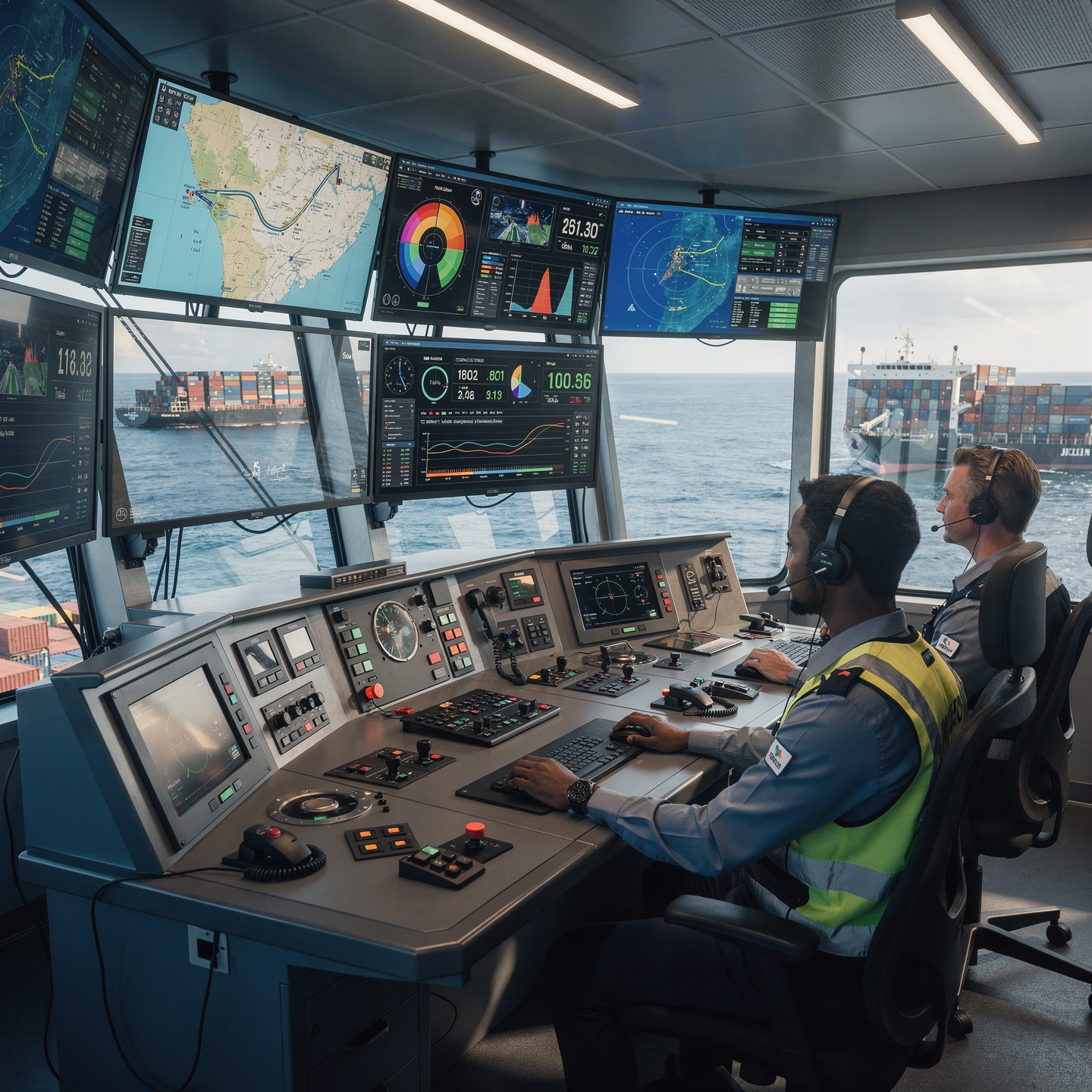
Master’s Degree in Innovation in Shipping and Maritime Transport
Why this master’s programme?
The Master in Innovation in Shipping and Maritime Transport
This program prepares you to lead the transformation of the sector. Learn to apply disruptive technologies, optimize global logistics, and develop sustainable business models. Master the latest trends in digitalization, automation, and alternative energies to drive efficiency and competitiveness in a constantly evolving market. This program provides you with the tools and knowledge necessary to become a change agent in the maritime industry.
This program prepares you to lead the transformation of the sector. Learn to apply disruptive technologies, optimize global logistics, and develop sustainable business models.
Differentiating Advantages
- Practical Approach: Real-world projects and innovative case studies.
- Networking: Connecting with industry experts and leaders.
- Skills Development: Project management, data analysis, and strategic decision-making.
- Global Perspective: Analyzing global trends and challenges in maritime transport.
- Flexibility: Online format with interactive resources and live sessions.
- Modality: Online
- Level: Masters
- Hours: 1600 H
- Start date: 26-04-2026
Availability: 1 in stock
Who is it aimed at?
- Maritime professionals who want to lead the digital transformation and the adoption of new technologies in shipping.
- Executives and managers of shipping companies, ports, and terminals who seek to optimize their operations through strategic innovation.
- Naval and maritime engineers interested in developing disruptive solutions for the efficiency and sustainability of maritime transport.
- Entrepreneurs and startups who aspire to create new business models and services based on innovation in the maritime sector.
- Consultants and advisors who want to expand their expertise in innovation strategies and emerging trends in shipping.
Flexibility and applicability
Designed For active professionals: flexible online format, practical projects applicable to the work environment and networking with industry experts.
Objectives and skills

Optimize operational efficiency in ports:
Implement real-time port resource allocation and queue management strategies, prioritizing traffic flow optimization and minimizing waiting times for ships and goods.

Develop and implement digitalization strategies in the maritime supply chain:
“Automating document management processes, integrating secure information exchange platforms (blockchain) and predictive analytics to optimize port logistics and maritime transport.”

Leading technological innovation projects in the maritime sector:
“Define technological roadmaps aligned with the business strategy, prioritizing high-impact projects and return on investment.”

Managing risk and safety in complex maritime operations:
“Evaluate threats (piracy, extreme weather, breakdowns) and vulnerabilities (load, stability, communications) to implement preventive and reactive measures.”

Designing innovative business models for the maritime industry:
“Identify new revenue streams through digitalization and the circular economy, adapting the supply to the demands of sustainability and operational efficiency.”

Adapting business strategy to the challenges of climate change in maritime transport:
“To assess and mitigate the impact of new regulations (IMO 2023, FuelEU Maritime) on route planning and operations, optimizing the use of alternative fuels and energy efficiency technologies.”
Study plan – Modules
- Advanced analysis of digitalization in maritime logistics: evolution, trends, and disruptive technologies
- Mathematical models and algorithms for optimizing supply chains in maritime transport
- Implementation of integrated logistics management systems: ERP, TMS, and collaborative platforms in shipping
- Big Data and predictive analytics applied to the planning and monitoring of port and maritime operations
- IoT and smart sensors for real-time monitoring of containers, cargo, and the naval fleet
- Blockchain in maritime logistics: traceability, security, smart contracts, and fraud reduction
- Optimizing customs clearance and digital document management to accelerate the supply chain
- Design and simulation of multimodal maritime logistics networks: hubs, intermodality, and cargo flows
- Risk mitigation and logistics resilience strategies in the face of global disruptions and operational contingencies
Automation and robotics in port operations: smart cranes, autonomous vehicles, and loading/unloading systems
Integration of clean energy and sustainability in the operational optimization of the maritime supply chain
Advanced Key Performance Indicators (KPIs) and digital dashboards for continuous improvement in maritime logistics
International case studies of digital logistics optimization and disruptive innovation projects in shipping
Regulatory framework and technological standards for the safe and efficient implementation of digital solutions in the maritime sector
Organizational change strategies and talent management for adopting technological innovation in maritime logistics
- Fundamentals of disruptive technologies applied to the maritime sector: artificial intelligence, blockchain, and big data in naval operations
- Implementation of digital twins in fleet monitoring and optimization: advanced simulation and predictive forecasting based on machine learning
- Automation and robotics in integrated vessel management: autonomous systems for maintenance, maneuvering, and real-time surveillance
- Maritime Internet of Things (IoT): smart sensor architecture and cloud communication for the collection and analysis of operational data
- Energy efficiency and green technologies: hybrid propulsion, onboard renewable energy, and emissions reduction strategies in accordance with IMO 2020 and future regulatory frameworks
- Circular economy in shipbuilding and shipbreaking: technical criteria for material sustainability and the minimization of polluting waste
- Advanced software for the dynamic planning of environmentally friendly shipping routes: integration of meteorological and oceanographic variables
- Intelligent management of the maritime supply chain using blockchain technology for traceability, document security, and operational transparency
- Environmental regulation and compliance in the context of disruptive operations: MARPOL, Ballast Water Management Convention, and future regulations on emissions and plastics
- Assessment and mitigation of the environmental impact associated with port operations and maritime logistics using real-time monitoring technologies and predictive analytics
- Integrated fleet management platforms: interoperability, advanced analytics, and continuous improvement in strategic and operational decision-making
- Cybersecurity in the digital maritime ecosystem: emerging threats, protection protocols, and operational response to ensure the integrity of critical data and systems
- Case studies of sustainable innovation in leading shipping companies: project analysis, measurable results, and lessons learned
- Future trends and technological challenges: collective intelligence, augmented reality for training and maintenance, and the transition to fully autonomous and sustainable fleets.
Disruptive business models in maritime transport: integrating sustainable technologies as a competitive advantage and generators of economic and environmental value.
and maritime traffic
- Fundamentals of disruptive technologies in the maritime sector: definition, evolution, and scope of application
- Blockchain and its impact on traceability and document security in maritime supply chains
- Application of artificial intelligence and machine learning for the prediction and optimization of logistics traffic and demand
- Internet of Things (IoT) in the real-time monitoring of containers, vessels, and smart ports
- Implementation of digital twins and advanced simulations for continuous improvement in maritime operations
- Sustainable management strategies: carbon footprint reduction, energy efficiency, and IMO 2020 regulations and future regulations
- Circular economy and green logistics in maritime transport: case studies and sustainable business models
- Digitalization of the maritime supply chain: integrated platforms and ecosystems Digital collaborations
Integration of Big Data and advanced analytics for decision-making and mitigation of operational risks
Development of predictive models for managing preventive and corrective maintenance in shipping fleets
Automation and robotics in port terminals and their influence on optimizing time and costs
Specific cybersecurity strategies for protecting infrastructure and data in digitized maritime environments
Case studies and global benchmarking: key innovations implemented by industry leaders
Regulatory framework and international standards related to disruptive technologies and maritime sustainability
Strategic planning for digital transformation and technology adoption in shipping and maritime transport companies
Assessment of the social and economic impact of technological innovation on port communities and stakeholders
Sustainable development and responsible innovation: ESG criteria applied to maritime management modern
Tools and methodologies for the successful implementation of disruptive technology projects in maritime supply chains
Future perspectives: trends in advanced automation, clean energy, and comprehensive digitalization of the maritime ecosystem
Practical workshop: designing a sustainable digital strategy for the comprehensive optimization of a maritime supply chain
- Chartering Fundamentals: Types of charter contracts (time charter, voyage charter, bareboat charter) and their impact on commercial operations
- Evaluation and negotiation of key terms in maritime contracts: laytime clauses, demurrage, indemnities, and arbitration
- Advanced dynamic pricing models in charter markets: analysis of demand, bunker volatility, and geopolitical factors
- Technological tools for contract management and commercial optimization: digital platforms and big data analytics
- Operational compliance strategies: international regulatory compliance (IMO, BIMCO, ICS) and document management
- Marine insurance: key policies (hull & machinery, P&I, freight, demurrage) and insurance risk management
- Interpretation Technical and legal aspects of marine insurance clauses: exclusions, subrogation, and claims
Impact of international regulations on contracts and insurance: SDR, Incoterms 2020, and environmental regulations
Integrated strategies for mitigating legal and operational risks in global shipping operations
Case studies and simulations of contracts, dynamic pricing, and insurance management in real-world market scenarios
- Big Data Fundamentals in the Maritime Industry: Data Sources, Volume, Variety, and Velocity
- Architectures and Platforms for Massive Data Processing in Ports and Maritime Terminals
- Machine Learning Models Applied to Port Traffic and Logistics Flow Prediction
- Advanced Algorithms for Route Optimization and Real-Time Load Planning
- Integration of IoT and Maritime Sensors in the Capture and Analysis of Operational Data
- Predictive Modeling for the Prevention of Congestion, Delays, and Bottlenecks in Port Infrastructure
- Application of Artificial Intelligence for Improving Energy Efficiency and Reducing Pollutant Emissions in Maritime Logistics
- Time Series Analysis and Statistical Techniques for the Dynamic Management of Port Traffic and Resources
- Case Studies: Implementation of Predictive Solutions in Large Terminals and Logistics Chains
global
Regulatory frameworks, privacy, and cybersecurity in the processing of maritime Big Data
Assessing the impact of predictive models on the sustainability and resilience of port operations
Advanced data visualization tools for strategic decision-making in port management
- Fundamentals and evolution of digital logistics applied to maritime transport: from the traditional supply chain to comprehensive digitalization
- Technological architectures for logistics management: IoT, cloud platforms, blockchain, and integrated ERP systems
- Big Data in shipping: massive collection of operational data, AIS, onboard sensors, and external sources
- Advanced Big Data analytics techniques: machine learning, predictive algorithms, and predictive fleet maintenance
- Optimization of smart shipping routes through real-time analysis and AI-based simulations
- Sustainability models in maritime transport: life cycle assessment, emissions reduction, and energy efficiency
- International regulations and environmental certifications: IMO, MARPOL, EEDI, and their operational and commercial implications
- Strategies for the transition to green maritime transport: alternative fuels, clean technologies, and partial electrification
- Integrating digital logistics with advanced port management: terminal automation and intelligent control systems
- Case studies and implementation analysis: digitalization and sustainability in global operators and multifactorial optimization
- Impact of Big Data on strategic decision-making, risk management, and continuous improvement in maritime transport
- Market-leading software tools for comprehensive logistics and environmental impact management
- Intermodal collaboration and logistics coordination strategies to maximize efficiency and minimize environmental impact
- Real-time assessment, monitoring, and reporting to meet sustainability and operational optimization objectives
- Introduction to Technological Innovation in the Maritime Sector: Historical Evolution and Emerging Trends
- Disruptive Technologies Applied to Shipping: Blockchain, Artificial Intelligence, Internet of Things (IoT), and Big Data
- Digitization of Maritime Operations: Integrated Management Platforms and Real-Time Tracking
- Automation and Autonomous Systems in Maritime Transport: Unmanned Vehicles and Smart Ports
- Energy Optimization and Sustainability: Clean Technologies, Alternative Fuels, and Reduction of Pollutant Emissions
- International Regulations and Certifications on Environmental Sustainability in the Maritime Industry (MARPOL, IMO, EEDI)
- Efficient Management of the Maritime Logistics Chain through Digital Technologies: Traceability and Resource Optimization
- Digital Strategies for Continuous Improvement in Maritime Operations: Predictive Analytics, Preventive Maintenance, and Digital Twins
- Integration of Cloud-Based Systems for Coordination and Security
- Real-time fleet and port management
- Development of innovative business models in the maritime sector: circular economy, digital services, and strategic alliances
- Assessment of technological and cybersecurity risks in digital platforms and automated maritime systems
- Comparative analysis of success stories in technological implementation and sustainability in global maritime companies
- Methodologies for assessing the environmental and social impact of technological innovations in the shipbuilding industry
- Managerial skills and leadership for digital and sustainable transformation in shipping
- Regulatory challenges and opportunities for the adoption of technological innovations in international maritime transport
- Design and implementation of digital strategies aimed at the comprehensive optimization of operations and cost reduction
- Future trends in maritime innovation: advanced artificial intelligence, renewable energies, and new logistics paradigms
- Digital simulators and tools for the planning, execution, and evaluation of innovative projects
in the maritime sector
Strategic planning based on data analysis and KPIs for the sustainability and competitiveness of maritime transport
Ethical framework and corporate responsibility in sustainable technology management within the shipbuilding and port industry
- Fundamentals of digital transformation in the maritime industry: technological evolution, innovation drivers, and sectoral challenges
- Architecture and components of the Internet of Things (IoT) in port and maritime operations: sensors, communication networks, and management platforms
- Implementation of IoT systems for real-time monitoring: cargo tracking, hull condition, environmental conditions, and energy efficiency
- Blockchain applied to maritime transport: cryptographic principles, smart contracts, and solutions for traceability and transparency in the supply chain
- Integration of blockchain platforms with document and customs management systems to streamline logistics processes and reduce fraud
- Automation and robotics in maritime operations: autopilot systems, inspection drones, and autonomous port vehicles
- Big Data and predictive analytics in predictive maintenance and operational optimization: algorithms, machine learning models, and analytical platforms
Specialized areas
Cybersecurity in maritime digital environments: risk assessment, protection protocols, regulations, and best practices for preventing attacks and vulnerabilities
Success stories and disruptive projects: practical application of digitalization and automation in commercial fleets, smart port terminals, and emerging technologies
Future perspectives: emerging trends, artificial intelligence, marine digital twins, and Industry 4.0 in global shipping
- Fundamentals and evolution of digital transformation in the maritime sector: trends, emerging technologies, and disruptive models
- Implementation of IoT systems and smart sensors for real-time monitoring of shipping operations and the supply chain
- Advanced automation: integration of SCADA systems, remote control, and robotics in port and navigation processes
- Digital platforms and digital twins: simulation, optimization, and predictive maintenance of maritime assets
- Big data analytics and machine learning applied to strategic and operational decision-making in maritime transport
- Sustainability strategies: international regulations, emissions management, energy efficiency, and the circular economy in the naval fleet
- Innovation in alternative fuels and clean technologies: green hydrogen, LNG, biofuels, and fuel cells
- Design and implementation of ESG (Environmental, Social, and Governance) policies in companies Maritime
Comprehensive optimization through advanced planning systems: fleet management software, e-navigation, and smart routing
Challenges and opportunities of secure digitalization: cybersecurity, data protection, and operational resilience in the maritime ecosystem
- Fundamentals and conceptual framework of the final project: definition of objectives, hypotheses, and scope in incident management on ships
- Introduction to Artificial Intelligence (AI) in maritime transport: advanced machine learning, deep learning, and predictive analytics techniques applied to incident detection and resolution
- Comprehensive architecture of the incident management system: modular design, scalability, and interoperability with existing systems (ECS, ERP, ECDIS, IoT sensors)
- Integration of Big Data in maritime operations: collection, storage, and processing of large volumes of multi-source data, including onboard sensors, telemetry, and external sources
- Methodologies for the early identification and automatic classification of incidents: clustering algorithms, anomaly detection, and real-time alert systems
- Development of predictive models for the prevention of operational failures: historical analysis, scenario simulation, and continuous learning for maintenance optimization and reduction of Risks
- Optimization and automation of decision-making: design of intelligent workflows, integration of dashboards and customized Decision Support Systems (DSS) for operational and management teams
- Implementation of AI-based feedback and continuous improvement systems: supervised learning with operational data and validation of results for constant system evolution
- Technical aspects and cybersecurity practices in maritime smart platforms: protection of data integrity, prevention of attacks, and compliance with applicable regulations
- Assessment of operational and economic impact: key performance indicators (KPIs), cost-benefit analysis, and presentation of executive reports for stakeholders
- Agile methodologies and project management for system development: planning, quality control, documentation, and final delivery of the master’s thesis
- Case studies and real-world simulations: application of the system to complex operational incident scenarios and analysis of results for validation and adjustment of the models
- Review Critique, discussion, and presentation of conclusions: practical implications for the maritime industry and proposals for future lines of research and technological innovation.
[…]
Career prospects
“`html
- Innovation Manager in Shipping Companies: Leadership in the implementation of new technologies and processes.
- Maritime Transport Strategy Consultant: Advising on route optimization, energy efficiency, and sustainability.
- Data Analyst in Maritime Logistics: Development of predictive models to improve decision-making.
- Specialist in Port Process Digitization: Implementation of innovative solutions in port terminals and operations.
- R&D Project Manager in the Maritime Sector: Management of research and development projects in new technologies and materials.
- Sustainability and Energy Expert in Maritime Transport: Development of strategies for emissions reduction and energy use. Renewables.
- Maritime Supply Chain Manager: Optimizing the supply chain through innovation and technology.
- Entrepreneur in the Maritime Sector: Developing new business models based on innovation in shipping and maritime transport.
“`
Entry requirements

Academic/professional profile:
Bachelor’s degree in Nautical Science/Maritime Transport, Naval/Marine Engineering or a related qualification; or proven professional experience on the bridge/in operations.

Language proficiency:
Functional Maritime English (SMCP) recommended for simulations and technical materials.

Documentation:
Updated CV, copy of qualification or seaman’s book, national ID/passport, motivation letter.

Technical requirements (for online):
Device with camera/microphone, stable internet connection, monitor ≥ 24” recommended for ECDIS/Radar-ARPA.
Admissions process and dates

Online
application
(form + documents).

Academic review and interview
Admissions decision

Admissions decision
(+ scholarship offer if applicable).

Place reservation
(deposit) and enrolment.

Induction
(access to the virtual campus, calendars, simulator guides).
Scholarships and financial support
- Innovation Strategies: Master the latest trends in digitalization, automation, and sustainability applied to the maritime sector.
- Advanced Management: Develop leadership and project management skills to drive innovation in your organization.
- Disruptive Technologies: Explore the potential of blockchain, IoT, big data, and artificial intelligence in the shipping industry.
- Case Studies: Learn through real-world case studies and simulations that will prepare you for market challenges.
- Global Networking: Connect with experts, leading companies, and professionals from around the world on our network Exclusive.
Testimonials
This Master’s program provided me with the tools and knowledge necessary to lead the digital transformation in my company. Thanks to the program’s practical approach and global perspective, I was able to successfully implement a new logistics system that optimized our shipping routes by 15%, reducing costs and improving efficiency throughout the supply chain.
During the Master’s in Global Transport and Logistics, I developed an optimized route system for a transport company, reducing its fuel costs by 18% and delivery times by 12%, exceeding the company’s expectations and demonstrating my ability to apply the knowledge acquired in a real context.
This Master’s program provided me with the tools and knowledge necessary to lead the digital transformation in my company. Thanks to the specialization in innovation applied to shipping, we optimized our fleet management, reducing costs by 15% and improving efficiency by 20%. The program’s practical approach and the networking opportunities with industry professionals were key to my success.
This master’s program provided me with the tools and knowledge necessary to lead the digital transformation in my company. Thanks to the specialization in new technologies and the strategic vision I gained, I was able to implement a predictive logistics system that optimized our routes by 15% and reduced operating costs by 12%.

Frequently asked questions
Maritime transport.
Yes. The itinerary includes ECDIS/Radar-ARPA/BRM with harbor, ocean, fog, storm, and SAR scenarios.
Online with live sessions; hybrid option for simulator/practical placements through agreements.
Maritime transport and logistics sector.
Recommended functional SMCP. We offer support materials for standard phraseology.
Yes, with a relevant degree or experience in maritime/port operations. The admissions interview will confirm suitability.
Optional (3–6 months) through Companies & Collaborations and the Alumni Network.
Simulator practice (rubrics), defeat plans, SOPs, checklists, micro-tests and applied TFM.
A degree from Navalis Magna University + operational portfolio (tracks, SOPs, reports and KPIs) useful for audits and employment.
- Fundamentals and conceptual framework of the final project: definition of objectives, hypotheses, and scope in incident management on ships
- Introduction to Artificial Intelligence (AI) in maritime transport: advanced machine learning, deep learning, and predictive analytics techniques applied to incident detection and resolution
- Comprehensive architecture of the incident management system: modular design, scalability, and interoperability with existing systems (ECS, ERP, ECDIS, IoT sensors)
- Integration of Big Data in maritime operations: collection, storage, and processing of large volumes of multi-source data, including onboard sensors, telemetry, and external sources
- Methodologies for the early identification and automatic classification of incidents: clustering algorithms, anomaly detection, and real-time alert systems
- Development of predictive models for the prevention of operational failures: historical analysis, scenario simulation, and continuous learning for maintenance optimization and reduction of Risks
- Optimization and automation of decision-making: design of intelligent workflows, integration of dashboards and customized Decision Support Systems (DSS) for operational and management teams
- Implementation of AI-based feedback and continuous improvement systems: supervised learning with operational data and validation of results for constant system evolution
- Technical aspects and cybersecurity practices in maritime smart platforms: protection of data integrity, prevention of attacks, and compliance with applicable regulations
- Assessment of operational and economic impact: key performance indicators (KPIs), cost-benefit analysis, and presentation of executive reports for stakeholders
- Agile methodologies and project management for system development: planning, quality control, documentation, and final delivery of the master’s thesis
- Case studies and real-world simulations: application of the system to complex operational incident scenarios and analysis of results for validation and adjustment of the models
- Review Critique, discussion, and presentation of conclusions: practical implications for the maritime industry and proposals for future lines of research and technological innovation.
[…]
Request information
Complete the Application Form.
Attach your CV/degree certificate (if you have it to hand).
Indicate your preferred cohort (January/May/September) and whether you would like the hybrid option with simulator sessions.
An academic advisor will contact you within 24–48 hours to guide you through the admission process, scholarships, and compatibility with your professional schedule.
Faculty
Eng. Tomás Riera
Full Professor
Eng. Tomás Riera
Full Professor
Eng. Sofía Marquina
Full Professor
Eng. Sofía Marquina
Full Professor
Eng. Javier Bañuls
Full Professor
Eng. Javier Bañuls
Full Professor
Dr. Nuria Llobregat
Full Professor
Dr. Nuria Llobregat
Full Professor
Dr. Pau Ferrer
Full Professor
Dr. Pau Ferrer
Full Professor
Cap. Javier Abaroa (MCA)
Full Professor
Cap. Javier Abaroa (MCA)
Full Professor

