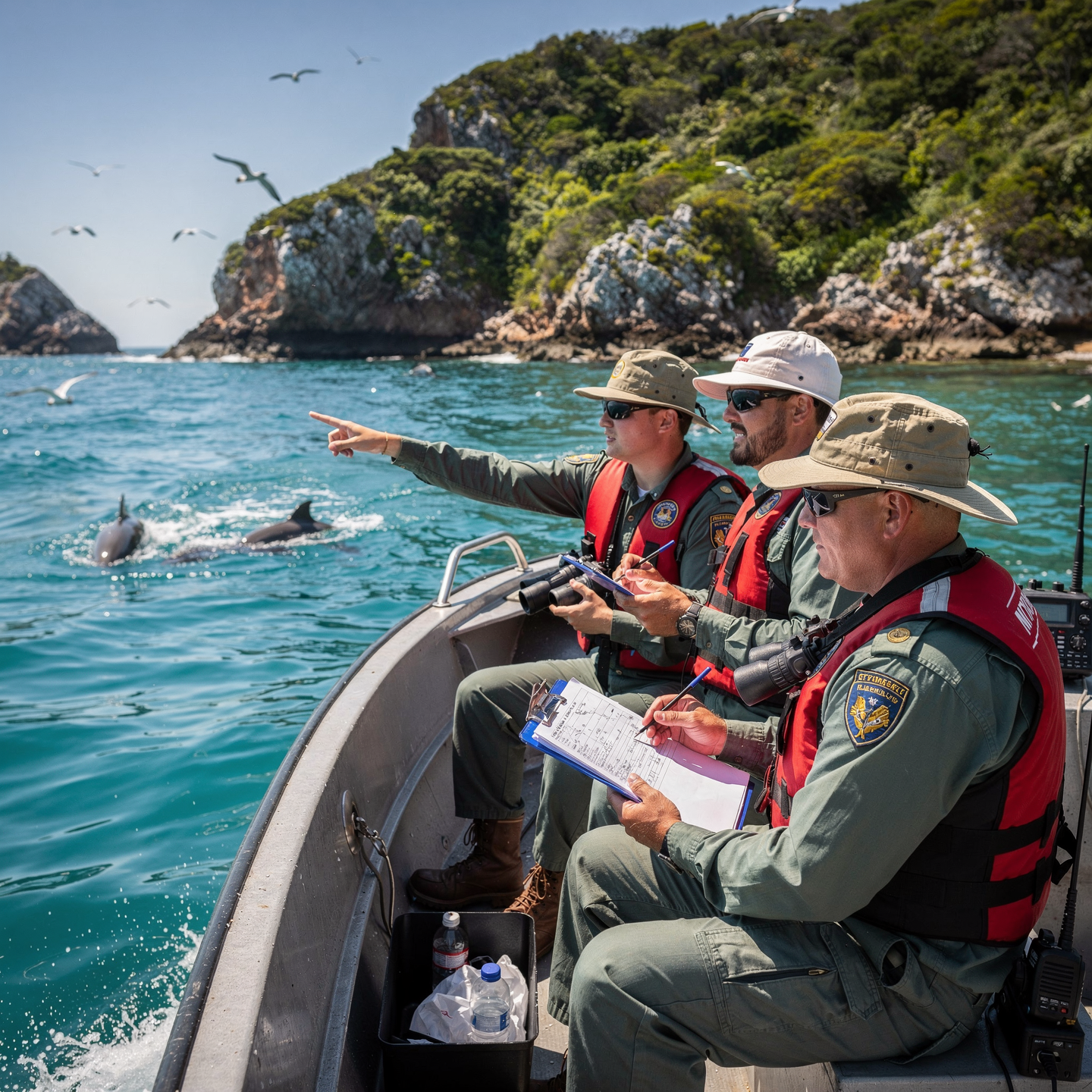
Master’s Degree in Marine Protected Area Management

Why this master’s programme?

The Master’s in Marine Protected Area Management

This program equips you to lead the conservation of our oceans. You will learn to design and implement effective strategies for the protection of marine ecosystems, considering biological, socioeconomic, and political aspects. This program will provide you with the necessary tools to address the challenges of integrated coastal management, marine spatial planning, and environmental impact assessment. You will develop skills in scientific research, effective communication, and collaboration with stakeholders to promote the sustainability of marine resources.

Differential Advantages

  • Multidisciplinary Approach: Combines marine science, environmental management, law, and economics.
  • Real-World Case Studies: Analyzes examples of success and failure in MPA management globally.
  • Cutting-Edge Tools: Uses GIS software and technologies for planning and monitoring.
  • Professional Networking: Connect with experts and leaders in marine conservation.
  • Professional Internships: Gain real-world experience in marine conservation organizations.
Gestión

Master’s Degree in Marine Protected Area Management

Availability: 1 in stock

Who is it aimed at?

  • Marine biologists, ecologists, and oceanographers seeking specialization in the planning and management of sensitive marine ecosystems.
  • Conservation and environmental professionals wishing to lead projects for the protection of marine biodiversity and ecological restoration.
  • Public administration and NGO officials involved in the implementation of marine conservation and sustainable development policies.
  • Environmental consultants and technicians needing tools for environmental impact assessment and the management of marine natural resources.
  • Graduates in environmental science, environmental law, or related fields aspiring to a professional career in the management and conservation of marine areas. protected.

Flexibility and applicability
Ā Combines theory and practice with real-world case studies, access to international experts and the possibility of developing an applied management project in your area of ​​interest.

Gestión

Objectives and skills

Design and implement effective marine conservation strategies:

“Assess the vulnerability of key ecosystems, prioritize conservation areas, and establish adaptive management measures based on scientific data and community participation.”

Assess and mitigate the impacts of human activities on vulnerable marine ecosystems:

Implement and monitor ecosystem-based management (EBM) strategies to reduce pollution, protect critical habitats, and promote sustainable fishing.

To sustainably manage natural resources within marine protected areas:

Implement monitoring and control programs for fishing, tourism and recreational activities, establishing load limits and promoting responsible practices to minimize environmental impact.

Promote the participation of local communities in marine management and conservation:

“Implement environmental education and volunteer programs to involve residents in ecosystem monitoring and beach cleanups.”

Develop leadership and governance skills for the effective management of AMPs:

“Implement effective communication strategies with local communities, stakeholders, and authorities to promote participation and compliance with MPA regulations.”

Establish and monitor scientific research programs applied to the management of MPAs:

Define research priorities based on management needs, evaluate results, and communicate findings to AMP managers.

Study plan – Modules

  1. Fundamentals of strategic planning in marine protected areas: theory, principles, and conceptual frameworks applied to marine conservation
  2. Situational analysis and environmental diagnosis: assessment of ecosystems, biodiversity, anthropogenic threats, and conservation status using scientific indicators
  3. Design and formulation of strategic objectives: development of SMART goals oriented toward the protection, restoration, and sustainable use of marine resources
  4. Evidence-based planning tools: participatory methodologies, geographic information systems (GIS), and spatial modeling for marine zoning and management
  5. Environmental and socioeconomic monitoring: establishment of protocols, selection of key variables, sampling techniques, and international standards for the collection of reliable data
  6. Evaluation of effectiveness in marine protected areas: indicators of ecological, social, and economic performance; Quantitative and qualitative analysis

    Information systems and emerging technologies: use of drones, satellites, and remote sensors for real-time monitoring and tracking

    Adaptive management: feedback loops, review, and continuous adjustments based on monitoring results to optimize conservation strategies

    Stakeholder integration and collaborative governance: community participation mechanisms, public-private partnerships, and knowledge transfer for institutional strengthening

    Environmental and social impact assessment: methodologies to anticipate and mitigate potential negative effects of interventions in marine protected areas

    Technical report writing and specialized communication: presentation of scientific results to decision-makers, stakeholders, and local communities

    International regulations and best practices in planning, monitoring, and evaluation: compliance with multilateral conventions and global standards for effective marine conservation

    Advanced case studies: detailed analysis of successful experiences and lessons learned in strategic implementation in different regions protected marine areas of the world

  1. Fundamentals of Advanced Instrumentation: Types of oceanographic sensors, calibration, accuracy, and data validation for marine environmental monitoring.
  2. Innovative Remote Sensing Techniques: Application of satellites, drones, and autonomous vehicles for data collection in marine protected areas.
  3. Integrated Monitoring Systems: Integration of in-situ sensors with remote communication platforms to obtain real-time data.
  4. Environmental Modeling and Numerical Simulation: Development and use of hydrodynamic, ecological, and dispersion models for the predictive management of marine ecosystems.
  5. Implementation of Geographic Information Systems (GIS): Advanced mapping, spatial analysis, and data visualization applied to the management of marine protected areas.
  6. Technologies for Ecological Restoration: Biotechnological tools and robotics used in the rehabilitation of degraded habitats, including coral reefs and seagrass meadows.
  7. Bioacoustic monitoring and environmental analysis: application of acoustic techniques for biodiversity monitoring and assessment of anthropogenic impacts.
  8. Advanced sampling and assessment protocols: statistical and technical methods for the collection and analysis of physical, chemical, and biological parameters in protected marine environments.
  9. Data management and Big Data in marine conservation: storage, processing, and analysis of large volumes of information for evidence-based decision-making.
  10. Success stories and applied studies: critical review of innovative management and restoration projects with advanced instrumentation at a global level, with a focus on sustainability and replicability.
  1. Fundamentals of Integrated Planning for Marine Protected Areas: Defining Objectives, Scope, and Stakeholders Involved
  2. Advanced Ecosystem Diagnostic Methodologies: Assessing Marine Habitats, Biodiversity, and Ecosystem Services
  3. Strategic Design of Management Plans: Zoning, Regulation of Activities, and Establishment of Precautionary and Restorative Measures
  4. Spatial and Temporal Simulation Models for Predicting Anthropogenic Impacts and Climate Change
  5. Technical and Regulatory Instruments for the Effective Implementation of Conservation and Recovery Strategies
  6. Ecological and Socioeconomic Monitoring Protocols: Selecting Biophysical and Social Indicators, Frequency, and Sampling Methods
  7. Remote Sensing Techniques and Geographic Information Systems (GIS) Applied to the Monitoring and Evaluation of Marine Protected Areas
  8. Advanced Statistical Analysis for Data Interpretation
  9. Environmental and social factors in decision-making

    Adaptive performance evaluation: design of metrics, establishment of critical thresholds, and feedback mechanisms

    Integration of monitoring results for the updating and continuous improvement of management plans

    Application of participatory systems and collaborative governance in the evaluation of results and strategic adjustments

    Impactful international cases of successful recovery and ecosystem restoration based on integrated strategies

    Development of technical reports for regulatory bodies, funding, and scientific communication

    Optimization of resources and risk management in the implementation of conservation plans

    Technological innovations and future perspectives in integrated planning, monitoring, and evaluation in marine protected management

  1. Fundamentals of environmental governance in marine protected areas: international, regional, and national legal frameworks
  2. Collaborative governance models: key stakeholders, co-management, and community participation
  3. Spatial zoning: biological, ecological, and socioeconomic criteria for the delimitation of functional areas
  4. Advanced marine mapping techniques: use of GIS, remote sensing, and bathymetric data for precise planning
  5. Monitoring and surveillance systems: satellite technologies, drones, and acoustic sensors for real-time monitoring
  6. Protocols for coastal patrol and surveillance: standard operating procedures, regulations, and inter-institutional coordination
  7. Implementation of automated and artificial intelligence technologies in the detection of illicit activities and environmental changes
  8. Advanced strategies and techniques for marine ecological restoration: rehabilitation of critical habitats and adaptive management
  9. Environmental impact assessment and post-restoration monitoring: relevant biological, chemical, and physical indicators
  10. Integration of zoning and control into adaptive management plans: case studies and proposals for continuous improvement
  1. Fundamentals and principles of surveillance in marine protected areas: objectives, scope, and applicable international regulations
  2. Remote monitoring technologies: satellite systems, drones, acoustic and optical sensors for continuous surveillance and early detection of illicit activities
  3. Control and patrol systems: integration of maritime, aerial, and land platforms for efficient and coordinated coverage
  4. Adaptive management: dynamic processes for evidence-based management and rapid response to emerging threats
  5. Protocols and strategies for controlling illegal, unreported, and unregulated (IUU) fishing and other anthropogenic activities that compromise biodiversity
  6. Impact assessment methodologies: use of ecological and social indicators to measure the effectiveness of protection actions and real-time adjustments
  7. Design and implementation Operational plans based on GIS data and spatial analysis to optimize resources and maximize protection results.

    Training in inspection and assurance techniques: equipment, safe operation, and legal procedures for field intervention.

    Conflict management and effective communication with local communities, fisheries stakeholders, and security forces to promote participatory governance.

    Technical reports and legal documentation: preparation of detailed reports, evidence recording, and procedures for submission to regulatory and judicial bodies.

  1. Fundamentals and principles of strategic planning in marine protected areas: definition of objectives, scope, temporal and spatial scales.
  2. Advanced methodologies for the identification and prioritization of anthropogenic and natural threats to marine ecosystems.
  3. Participatory and inclusive design: incorporation of key stakeholders, local communities, government agencies, and scientists for effective co-management.
  4. Development of adaptive management plans: integration of ecosystem-based approaches, climate change scenarios, and socioeconomic factors.
  5. Ecological monitoring systems: design of observation station networks, biological and physicochemical indicators, and use of remote sensing technologies (drones, satellite sensors, acoustic systems).
  6. Analytical tools for evaluating the effectiveness of implemented strategies: indicators of biodiversity, environmental quality, connectivity, and ecosystem resilience.
  7. Predictive modeling for the recovery of Degraded habitats: use of specialized software and simulations based on historical and real-time data.

    Community and scientific monitoring: standardized protocols for the collection, analysis, and validation of field data.

    Implementation of innovative technologies for real-time monitoring and remote management: advanced GIS systems, mobile applications, and collaborative platforms.

    Comprehensive environmental and social impact assessment: legal frameworks, international regulations, and sustainability criteria for decision-making.

    Development of composite indicators to measure success in conservation and restoration: functional biodiversity, ecosystem services, and local socioeconomic well-being.

    Feedback and continuous improvement mechanisms: analysis of results, adaptive adjustments, and preparation of technical reports for public policy.

    Global landmark cases and lessons learned in the management of marine protected areas, focusing on innovative and multidisciplinary strategies.

  8. Training in scientific communication and outreach to strengthen social commitment and participatory governance.
  9. Creation of sustainable financing policies and economic mechanisms to support long-term conservation and restoration actions.
  1. Fundamentals of strategic planning applied to Marine Protected Areas (MPAs): objectives, scope, and ecological baselines
  2. Advanced methodologies for scientific and socioeconomic diagnosis in MPAs: SWOT analysis, stakeholder matrix, and risk assessment
  3. Design and formulation of adaptive management plans: criteria for zoning, establishment of core and buffer areas, and compatible uses
  4. Geospatial and GIS tools for planning: spatial modeling, thematic mapping, and satellite remote monitoring
  5. Ecological monitoring protocols in marine ecosystems: key biological, physicochemical, and socioeconomic indicators for effective conservation
  6. Implementation of monitoring systems based on innovative technologies: autonomous sensors, underwater drones, and collaborative platforms
  7. Evaluation of MPA effectiveness: quantitative methods for measuring conservation status and habitat recovery Degraded areas
  8. Participatory monitoring and evaluation tools: integration of local communities, NGOs, and authorities in co-management processes
  9. Predictive models for the restoration of marine ecosystems: assisted restoration, reef rehabilitation, and recovery of critical populations
  10. Regulatory aspects and international legal framework for planning and monitoring in MPAs: UN conventions, regional treaties, and national legislation
  11. Adaptive management and informed decision-making: continuous feedback, strategy adjustments, and management of environmental uncertainties
  12. Development of technical reports and action plans based on scientific evidence for the sustainability and resilience of MPAs
  13. International success stories in strategic planning and monitoring: comparative analysis and applicable lessons
  14. Training in advanced strategic environmental assessment (SEA) techniques for protected marine ecosystems
  15. Integration of citizen science and open technologies for continuous improvement in the ecological management and restoration
  1. Fundamentals of Technological Innovation in the Management of Marine Protected Areas: Definition, Scope, and Current Relevance
  2. Remote Sensing Tools and Geographic Information Systems (GIS) Applied to Environmental and Spatial Monitoring
  3. Integration of Remote Sensors and Oceanographic Stations for the Continuous Collection of Hydrographic, Oceanographic, and Biological Data
  4. Dynamic Predictive Models: Simulation of Currents, Nutrient Fluxes, and Climate Change Scenarios to Support Decision-Making
  5. Application of Artificial Intelligence and Machine Learning in the Analysis of Complex Data for the Early Detection of Threats and Environmental Impact Assessment
  6. Development and Use of Collaborative Digital Platforms for Participatory Management and Information Exchange Among Key Stakeholders
  7. Implementation of Drones and Autonomous Underwater Vehicles (AUVs) for Remote Monitoring, Surveillance, and Control of Illegal Activities
  8. Innovations in Technologies Coastal surveillance: coastal radar, thermal cameras, and early warning systems

    Evaluation of the efficiency of smart technologies for adaptive management and real-time regulatory compliance

    Success stories and applied studies on technological innovation in the conservation and sustainable use of marine protected areas globally

  1. Fundamentals of marine conservation: ecological and biological principles in coastal and oceanic ecosystems
  2. Design and development of integrated strategies for marine protected areas: adaptive planning and ecosystem-based management (EBM)
  3. Advanced technologies for environmental monitoring: use of remote sensors, drones, acoustic and satellite systems for real-time data collection
  4. Modeling and simulation of ecological dynamics: computational tools for predicting anthropogenic and climate impacts
  5. Implementation of specific geographic information systems (GIS) for the management of marine protected areas: spatial analysis and decision-making based on georeferenced data
  6. Operational tools for the restoration of marine ecosystems: coral rehabilitation techniques, seagrass reforestation, and critical habitat management
  7. Biodiversity monitoring and health assessment Ecosystemic: Biological, chemical, and physical indicators for quantitative and qualitative assessment

    Methodologies for mitigating threats in marine protected areas: pollution control, illegal fishing, and unregulated tourism

    Protocols for community participation and collaborative governance: Integration of local and scientific stakeholders in decision-making processes

    Regulatory framework and legal compliance: Detailed analysis of international conventions (UNCLOS, CBD) and national regulations applicable to marine conservation

    Economic and social evaluation of conservation measures: Valuation of ecosystem services and sustainable development in protected areas

    Development and implementation of contingency plans for disruptive events: Strategies for rapid response to spills, hurricanes, and extreme weather events

    Advanced remote monitoring: Integration of AIS technology, remote sensing systems, and big data analytics for effective control of illegal activities

    Innovations in restoration Passive and active: marine bioengineering and assisted regeneration through laboratory cultures

    Evaluation and continuous improvement of management: performance indicators, environmental audits, and compliance reports to ensure sustainability

  1. Fundamentals and principles of integrated management of marine protected areas (MPAs): definition, objectives, scope, and international and national regulatory frameworks
  2. Environmental and socioeconomic diagnosis: advanced tools for marine biodiversity analysis, assessment of essential habitats, and economic valuation of ecosystem services
  3. Marine spatial planning (MSP) models: methodology, dynamic zoning, and multi-criteria assessment for MPA sustainability
  4. Innovative technologies for monitoring and conservation: satellite surveillance systems, underwater drones, remote sensors, and remote sensing techniques applied to marine management
  5. GIS tools and advanced mapping: integration of geospatial data, 3D modeling of marine ecosystems, and applications in decision-making
  6. Participatory strategies and collaborative governance: design and implementation of inclusive processes that involve local communities, fishers, authorities, and scientists in management Adaptive
  7. Development of performance indicators and continuous monitoring: standardized protocols for tracking biological, chemical, and social variables, with an emphasis on adaptability and resilience

    Environmental and social impact assessment: quantitative and qualitative techniques to identify risks and opportunities for conservation, mitigation, and ecological restoration

    Integrated management scenario modeling: use of predictive approaches and simulations to anticipate the effects of anthropogenic pressures, climate change, and management policies

    Design of the restoration and conservation master plan: establishment of goals, objectives, priority actions, and timelines aligned with recognized international standards

    Innovations in sustainable financing: economic mechanisms based on payments for environmental services, responsible tourism, public-private partnerships, and green funds

    Protocols for preparing the final report of the integrated model: structure, critical review, documentation of evidence, and strategic recommendations for continuous improvement

  8. Presentation and defense of the final project: advanced techniques of technical and scientific communication for presenting results to academic committees and stakeholders

Career prospects

“`html

  • Marine Protected Area (MPA) Manager: Planning, implementation, and management of MPAs, coordinating with different stakeholders (government agencies, local communities, NGOs).
  • Marine Environmental Consultant: Environmental impact assessment, development of sustainable management plans for marine and coastal resources.
  • Marine Conservation Technician: Research and monitoring of marine ecosystems, implementation of conservation and restoration measures.
  • Environmental Educator: Design and implementation of educational and awareness programs on the importance of marine conservation.
  • Research Scientist: Development of research projects in marine ecology, conservation biology, and marine natural resource management.
  • NGO Project Manager: Design, management, and evaluation of marine conservation projects.
  • and sustainable development in the marine-coastal environment.

  • Marine Natural Resources Manager: Working in public administrations in the management and regulation of activities that impact marine ecosystems.
  • Marine Environmental Auditor: Evaluating compliance with environmental regulations in activities carried out in the marine environment.

“`

Entry requirements

Academic/professional profile:

Bachelor’s degree in Nautical Science/Maritime Transport, Naval/Marine Engineering or a related qualification; or proven professional experience on the bridge/in operations.

Language proficiency:

Functional Maritime English (SMCP) recommended for simulations and technical materials.

Documentation:

Updated CV, copy of qualification or seaman’s book, national ID/passport, motivation letter.

Technical requirements (for online):

Device with camera/microphone, stable internet connection, monitor ≄ 24ā€ recommended for ECDIS/Radar-ARPA.

Admissions process and dates

Online
application

(form + documents).

Academic review and interview

Admissions decision

Admissions decision

(+ scholarship offer if applicable).

Place reservation

(deposit) and enrolment.

Induction

(access to the virtual campus, calendars, simulator guides).

Scholarships and financial support

  • Conservation Strategies: Learn to design and implement effective management plans for the protection of marine biodiversity.
  • Legal Framework and Policies: Master the international and national legislation relevant to the governance of marine protected areas.
  • Sustainable Resource Management: Acquire skills to balance conservation with the sustainable use of marine resources.
  • Monitoring and Evaluation: Learn advanced techniques for monitoring the state of ecosystems and the effectiveness of management measures.
  • Community Engagement: Learn to involve local communities in management, fostering collaboration and sustainable development.
Boost your career in marine conservation and contribute to the protection of our oceans.

Testimonials

Frequently asked questions

The conservation and sustainable management of marine ecosystems and their resources, through the design, implementation and evaluation of strategies for marine protected areas.

Yes. The itinerary includes ECDIS/Radar-ARPA/BRM with harbor, ocean, fog, storm, and SAR scenarios.

Online with live sessions; hybrid option for simulator/practical placements through agreements.

In the management of marine protected areas, encompassing both the administration and conservation of these areas, regardless of their specific location.

Recommended functional SMCP. We offer support materials for standard phraseology.

Yes, with a relevant degree or experience in maritime/port operations. The admissions interview will confirm suitability.

Optional (3–6 months) through Companies & Collaborations and the Alumni Network.

Simulator practice (rubrics), defeat plans, SOPs, checklists, micro-tests and applied TFM.

A degree from Navalis Magna University + operational portfolio (tracks, SOPs, reports and KPIs) useful for audits and employment.

  1. Fundamentals and principles of integrated management of marine protected areas (MPAs): definition, objectives, scope, and international and national regulatory frameworks
  2. Environmental and socioeconomic diagnosis: advanced tools for marine biodiversity analysis, assessment of essential habitats, and economic valuation of ecosystem services
  3. Marine spatial planning (MSP) models: methodology, dynamic zoning, and multi-criteria assessment for MPA sustainability
  4. Innovative technologies for monitoring and conservation: satellite surveillance systems, underwater drones, remote sensors, and remote sensing techniques applied to marine management
  5. GIS tools and advanced mapping: integration of geospatial data, 3D modeling of marine ecosystems, and applications in decision-making
  6. Participatory strategies and collaborative governance: design and implementation of inclusive processes that involve local communities, fishers, authorities, and scientists in management Adaptive
  7. Development of performance indicators and continuous monitoring: standardized protocols for tracking biological, chemical, and social variables, with an emphasis on adaptability and resilience

    Environmental and social impact assessment: quantitative and qualitative techniques to identify risks and opportunities for conservation, mitigation, and ecological restoration

    Integrated management scenario modeling: use of predictive approaches and simulations to anticipate the effects of anthropogenic pressures, climate change, and management policies

    Design of the restoration and conservation master plan: establishment of goals, objectives, priority actions, and timelines aligned with recognized international standards

    Innovations in sustainable financing: economic mechanisms based on payments for environmental services, responsible tourism, public-private partnerships, and green funds

    Protocols for preparing the final report of the integrated model: structure, critical review, documentation of evidence, and strategic recommendations for continuous improvement

  8. Presentation and defense of the final project: advanced techniques of technical and scientific communication for presenting results to academic committees and stakeholders

Request information

  1. Complete the Application Form.

  2. Attach your CV/degree certificate (if you have it to hand).

  3. Indicate your preferred cohort (January/May/September) and whether you would like the hybrid option with simulator sessions.

    An academic advisor will contact you within 24–48 hours to guide you through the admission process, scholarships, and compatibility with your professional schedule.

Please enable JavaScript in your browser to complete this form.
Click or drag a file to this area to upload.

Faculty

0
    0
    Tu carrito
    Tu carrito esta vacĆ­oRegresar a la tienda
    Scroll to Top


