Nautical Interior Design Course
Why this course?
The Nautical Interior Design
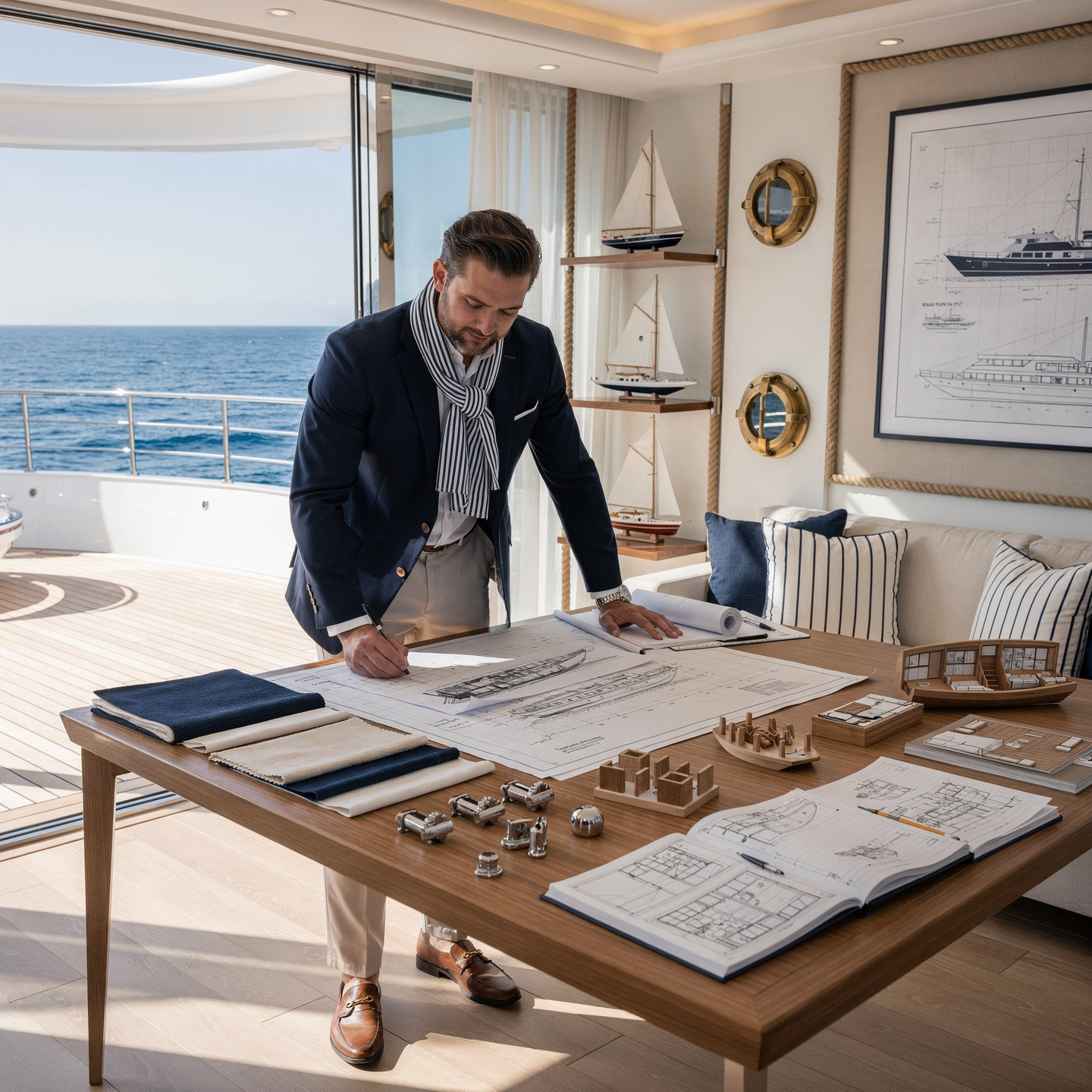
Immerse yourself in the fascinating world of creating functional and aesthetically pleasing spaces on vessels of all types. You will learn to optimize the use of space, select durable and luxurious materials, and create environments that reflect the nautical lifestyle. This program provides you with the skills necessary to transform boat interiors into seaworthy works of art.
Differentiating Advantages
- Specialized 3D Design Software: Master the market-leading tools to visualize your projects.
- Nautical Materials and Finishes: Discover the latest trends and technologies in water- and corrosion-resistant materials.
- Ergonomics and Functionality: Design spaces that maximize comfort and safety on board.
- Lighting and Acoustics: Create bright and comfortable environments that enhance the sailing experience.
- Real-World Projects: Apply your knowledge to the interior design of real vessels under the guidance of experts.
- Modality: Online
- Level: Cursos
- Hours: 150 H
- Start date: 25-04-2026
Availability: 1 in stock
Who is it aimed at?
- Naval architects and interior designers looking to specialize in creating functional and aesthetically pleasing spaces on vessels.
- Recreational boat owners and operators interested in renovating or customizing their boat interiors with innovative, high-quality designs.
- Design and nautical students who want to acquire specific knowledge in nautical interior design and the particularities of the marine environment.
- Shipbuilding and repair companies looking to expand their services by offering customized interior design solutions for their clients.
- Professionals in the hotel and tourism sector interested in applying nautical design concepts to coastal spaces and marine-themed resorts.
Learning flexibility:
Adapted to your pace: accessible online material 24/7, discussion forums and personalized tutoring to answer your questions.
Objectives and competencies

Creating functional and aesthetically pleasing nautical spaces:
Optimize the layout and interior/exterior design, considering ergonomics, safety, accessibility and regulations, to maximize the comfort and efficiency of the crew and passengers.

Optimizing the interior layout of boats to maximize comfort and habitability:
Implement ergonomic and modular design solutions that allow for customization of the space and easy adaptation to different needs and activities on board.

Select and apply materials and finishes suitable for marine environments:
Considering corrosion, biological attack and weather resistance, choosing durable and aesthetically appropriate options.

Adapt the interior design to safety standards and maritime regulations:
“Select fire-resistant and SOLAS materials, ensuring accessibility and efficient evacuation routes.”

Manage nautical interior design projects from conception to final delivery:
“Define scope, budget and timeline, coordinating multidisciplinary teams and ensuring customer satisfaction with innovative and functional solutions.”

Developing creative solutions to overcome design challenges in confined and moving spaces:
Implement iterative design methodologies, prioritizing ergonomics, multifunctional functionality and space optimization through modular and adaptable solutions.
Curriculum - Modules
- Comprehensive Maritime Incident Management: protocols, roles, and chain of command for coordinated response
- Operational Planning and Execution: briefing, routes, weather windows, and go/no-go criteria
- Rapid Risk Assessment: criticality matrix, scene control, and decision-making under pressure
- Operational Communication: VHF/GMDSS, standardized reports, and inter-agency liaison
- Tactical Mobility and Safe Boarding: RHIB maneuvers, approach, mooring, and recovery
- Equipment and Technologies: PPE, signaling, satellite tracking, and field data logging
- Immediate Care of the Affected: primary assessment, hypothermia, trauma, and stabilization for evacuation
- Adverse Environmental Conditions: swell, Visibility, flows, and operational mitigation
Simulation and training: critical scenarios, use of VR/AR, and exercises with performance metrics
Documentation and continuous improvement: lessons learned, indicators (MTTA/MTTR), and SOP updates
- Introduction to Naval Ergonomics: Basic Principles and Regulations
- Anthropometry and Biomechanics: Human Dimensions and Movement in Confined Spaces
- Visual and Auditory Ergonomics: Lighting, Color, Noise, and Signaling on Board
- Postural Ergonomics: Design of Seats, Workstations, and Access Points
- Materials in Naval Interiors: Properties, Advantages, and Disadvantages
- Surface Finishes: Paints, Coatings, Laminates, and Textiles
- Fire Resistance and Safety: IMO Regulations, Fire-Retardant Materials
- Thermal and Acoustic Insulation: Comfort and Energy Efficiency
- Sustainability and Life Cycle: Eco-friendly materials and recycling
Maintenance and cleaning: durability and ease of care
‘
- Introduction to Nautical Ergonomics: Principles and Benefits
- Fundamentals of Naval Aesthetics: History and Trends
- Materials and Finishes: Selection, Durability, and Maintenance in Marine Environments
- Vessel Interior Design: Layout, Lighting, and Ventilation
- Nautical Furniture: Ergonomics, Functionality, and Aesthetics
- Onboard Workspaces: Ergonomics in the Helm and Galley
- Safety and Accessibility: Regulations and Design Considerations
- Color and Texture: Color Psychology and its Application in Nautical Spaces
- Personalization and Branding: Adapting to the Client’s and Brand’s Identity
- Sustainability and Eco-Design: Recycled Materials and Energy Efficiency
‘
- Introduction to nautical ergonomics: principles and objectives.
- Anthropometry and biomechanics applied to the design of nautical spaces.
- Nautical materials: properties, classification, and selection.
- Corrosion resistance: treatments and protection of materials.
- Nautical finishes: types, applications, and durability.
- Workstation design: helm console, galley, and cabins.
- Nautical lighting: types, levels, and energy efficiency.
- Ventilation and air conditioning in confined spaces.
- Acoustic insulation: materials and application techniques.
- Ergonomics and materials regulations and standards in the industry nautical.
‘
- Introduction to Nautical Habitability: Comfort, Safety, and Functionality
- Ergonomics in Interior Design: Dimensions, Accessibility, and Movement
- Nautical Materials: Properties, Selection, and Applications
- Thermal and Acoustic Insulation: Comfort and Energy Efficiency
- Ventilation and Lighting: Air Quality and Visual Wellbeing
- Space Distribution: Optimization and Zoning
- Nautical Furniture: Design, Construction, and Secure Installation
- Upholstery and Textiles: Resistance, Durability, and Aesthetics
- Water and Waste Management: Sanitary Systems and Purification
- Fire Prevention and Safety: Fire-Retardant Materials and Detection
‘
- System Architecture and Components: Structural design, materials, and subsystems (mechanical, electrical, electronic, and fluid) with selection and assembly criteria for marine environments
- Fundamentals and Principles of Operation: Physical and engineering foundations (thermodynamics, fluid mechanics, electricity, control, and materials) that explain performance and operating limits
- Safety and Environmental (SHE): Risk analysis, PPE, LOTO, hazardous atmospheres, spill and waste management, and emergency response plans
- Applicable Regulations and Standards: IMO/ISO/IEC requirements and local regulations;
- Conformance criteria, certification, and best practices for operation and maintenance
- Inspection, testing, and diagnostics: Visual/dimensional inspection, functional testing, data analysis, and predictive techniques (vibration, thermography, fluid analysis) to identify root causes
- Preventive and predictive maintenance: Hourly/cycle/seasonal plans, lubrication, adjustments, calibrations, consumable replacement, post-service verification, and operational reliability
- Instrumentation, tools, and metrology: Measuring and testing equipment, diagnostic software, calibration and traceability; selection criteria, safe use, and storage
- Onboard integration and interfaces: Mechanical, electrical, fluid, and data compatibility; Sealing and watertightness, EMC/EMI, corrosion protection, and interoperability testing.
Quality, acceptance testing, and commissioning: process and materials control, FAT/SAT, bench and sea trials, go/no-go criteria, and evidence documentation.
Technical documentation and integrated practice: logs, checklists, reports, and a complete case study (safety ā diagnosis ā intervention ā verification ā report) applicable to any system.
Plan de estudio - Módulos
- Comprehensive Maritime Incident Management: protocols, roles, and chain of command for coordinated response
- Operational Planning and Execution: briefing, routes, weather windows, and go/no-go criteria
- Rapid Risk Assessment: criticality matrix, scene control, and decision-making under pressure
- Operational Communication: VHF/GMDSS, standardized reports, and inter-agency liaison
- Tactical Mobility and Safe Boarding: RHIB maneuvers, approach, mooring, and recovery
- Equipment and Technologies: PPE, signaling, satellite tracking, and field data logging
- Immediate Care of the Affected: primary assessment, hypothermia, trauma, and stabilization for evacuation
- Adverse Environmental Conditions: swell, Visibility, flows, and operational mitigation
Simulation and training: critical scenarios, use of VR/AR, and exercises with performance metrics
Documentation and continuous improvement: lessons learned, indicators (MTTA/MTTR), and SOP updates
- Introduction to Naval Ergonomics: Basic Principles and Regulations
- Anthropometry and Biomechanics: Human Dimensions and Movement in Confined Spaces
- Visual and Auditory Ergonomics: Lighting, Color, Noise, and Signaling on Board
- Postural Ergonomics: Design of Seats, Workstations, and Access Points
- Materials in Naval Interiors: Properties, Advantages, and Disadvantages
- Surface Finishes: Paints, Coatings, Laminates, and Textiles
- Fire Resistance and Safety: IMO Regulations, Fire-Retardant Materials
- Thermal and Acoustic Insulation: Comfort and Energy Efficiency
- Sustainability and Life Cycle: Eco-friendly materials and recycling
Maintenance and cleaning: durability and ease of care
‘
- Introduction to Nautical Ergonomics: Principles and Benefits
- Fundamentals of Naval Aesthetics: History and Trends
- Materials and Finishes: Selection, Durability, and Maintenance in Marine Environments
- Vessel Interior Design: Layout, Lighting, and Ventilation
- Nautical Furniture: Ergonomics, Functionality, and Aesthetics
- Onboard Workspaces: Ergonomics in the Helm and Galley
- Safety and Accessibility: Regulations and Design Considerations
- Color and Texture: Color Psychology and its Application in Nautical Spaces
- Personalization and Branding: Adapting to the Client’s and Brand’s Identity
- Sustainability and Eco-Design: Recycled Materials and Energy Efficiency
‘
- Introduction to nautical ergonomics: principles and objectives.
- Anthropometry and biomechanics applied to the design of nautical spaces.
- Nautical materials: properties, classification, and selection.
- Corrosion resistance: treatments and protection of materials.
- Nautical finishes: types, applications, and durability.
- Workstation design: helm console, galley, and cabins.
- Nautical lighting: types, levels, and energy efficiency.
- Ventilation and air conditioning in confined spaces.
- Acoustic insulation: materials and application techniques.
- Ergonomics and materials regulations and standards in the industry nautical.
‘
- Introduction to Nautical Habitability: Comfort, Safety, and Functionality
- Ergonomics in Interior Design: Dimensions, Accessibility, and Movement
- Nautical Materials: Properties, Selection, and Applications
- Thermal and Acoustic Insulation: Comfort and Energy Efficiency
- Ventilation and Lighting: Air Quality and Visual Wellbeing
- Space Distribution: Optimization and Zoning
- Nautical Furniture: Design, Construction, and Secure Installation
- Upholstery and Textiles: Resistance, Durability, and Aesthetics
- Water and Waste Management: Sanitary Systems and Purification
- Fire Prevention and Safety: Fire-Retardant Materials and Detection
‘
- System Architecture and Components: Structural design, materials, and subsystems (mechanical, electrical, electronic, and fluid) with selection and assembly criteria for marine environments
- Fundamentals and Principles of Operation: Physical and engineering foundations (thermodynamics, fluid mechanics, electricity, control, and materials) that explain performance and operating limits
- Safety and Environmental (SHE): Risk analysis, PPE, LOTO, hazardous atmospheres, spill and waste management, and emergency response plans
- Applicable Regulations and Standards: IMO/ISO/IEC requirements and local regulations;
- Conformance criteria, certification, and best practices for operation and maintenance
- Inspection, testing, and diagnostics: Visual/dimensional inspection, functional testing, data analysis, and predictive techniques (vibration, thermography, fluid analysis) to identify root causes
- Preventive and predictive maintenance: Hourly/cycle/seasonal plans, lubrication, adjustments, calibrations, consumable replacement, post-service verification, and operational reliability
- Instrumentation, tools, and metrology: Measuring and testing equipment, diagnostic software, calibration and traceability; selection criteria, safe use, and storage
- Onboard integration and interfaces: Mechanical, electrical, fluid, and data compatibility; Sealing and watertightness, EMC/EMI, corrosion protection, and interoperability testing.
Quality, acceptance testing, and commissioning: process and materials control, FAT/SAT, bench and sea trials, go/no-go criteria, and evidence documentation.
Technical documentation and integrated practice: logs, checklists, reports, and a complete case study (safety ā diagnosis ā intervention ā verification ā report) applicable to any system.
- Introduction to Nautical Ergonomics: Basic concepts, history, and regulations.
- Principles of Aesthetics in Nautical Design: Harmony, proportion, balance, and functionality.
- Materials and Finishes in Nautical Spaces: Selection based on ergonomics, aesthetics, and durability.
- Lighting in Boat Interiors and Exteriors: Types of light, color temperature, and control.
- Space Distribution and Movement Flow: Optimization for safety and comfort.
- Ergonomic Furniture and Equipment: Design, selection, and adaptation to nautical spaces.
- Color and Texture in Nautical Environments: Color psychology, combinations, and effects Visuals.
- Acoustics on Vessels: Insulation, absorption, and noise control.
- Universal Design and Accessibility in Nautical Spaces: Adaptation for people with reduced mobility.
- Current Trends in Ergonomics and Nautical Aesthetics: Innovation, sustainability, and personalization.
‘
- Introduction to nautical ergonomics: human factors and design
- Anthropometry and biomechanics in confined spaces on vessels
- Nautical materials: properties, selection, and durability in marine environments
- Acoustic insulation and noise control on vessels: sources and solutions
- Vibrations: origin, transmission, and mitigation on board
- Lighting: types, levels, glare, and design in nautical spaces
- Color and visual perception in marine environments: applications in safety and comfort
- Underwater acoustics: basic principles, noise sources, and effects on marine fauna
- Legislation and Regulations on ergonomics, materials, and acoustics in the nautical sector
Case studies and improvement studies in the interior and exterior design of vessels
‘
- Introduction to Ergonomics and Habitability in Nautical Design.
- Anthropometry and Biomechanics applied to nautical spaces: dimensions and movements.
- Principles of Universal Design: accessibility and inclusion on vessels.
- Workplace Ergonomics: bridge, galley, and rest areas.
- Lighting: types, levels, glare control, and circadian rhythms.
- Acoustics: noise control, insulation, and sound comfort.
- Ventilation and Air Conditioning: air quality, humidity and temperature control.
- Materials and Finishes: selection, safety, maintenance, and sustainability.
- Storage: space optimization, safety, and accessibility.
- Regulations and standards related to ergonomics and nautical habitability.
‘
- Introduction to Naval Ergonomics: History, Importance, and Scope.
- Anthropometry and Biomechanics Applied to Naval Design: Human Dimensions, Ranges of Motion, and Forces.
- Workstation Design: Ergonomic Principles for Control Stations, Cabins, and Work Areas.
- Lighting and Acoustic Comfort: Lighting Levels, Noise and Vibration Control in Naval Spaces.
- Surface Finishes: Materials, Textures, Colors, and Their Impact on Spatial Perception and Well-being.
- Storage Optimization: Efficient and Safe Storage Systems in Confined Spaces.
- Spatial Distribution: Circulation Flows, Work Zones, and Rest Areas.
- Universal Design and Accessibility: Considerations for people with reduced mobility and different abilities.
Simulations and virtual prototyping: Tools for evaluating the impact of design decisions.
Regulations and certification in naval ergonomics: National and international standards.
‘
Career opportunities
- Yacht and Recreational Boat Interior Designer: Creation and customization of interior spaces, selection of materials and finishes resistant to the marine environment.
- Nautical Design Consultant: Advising shipyards and owners on optimizing space, ergonomics, and onboard safety.
- Custom Nautical Furniture Manufacturer: Design and production of furniture and decorative elements specifically for boats.
- Nautical Interior Refurbishment and Renovation Companies: Renovation and modernization of existing spaces, adapting designs to new needs and trends.
- 3D Visualizer and Nautical Space Modeler: Creation of realistic virtual representations for project presentations and interior visualization.
- Project Manager in Design Projects
- Nautical: Coordination and supervision of projects, from initial conception to final delivery.
- Sales of products and services for nautical interior design: Sale and distribution of materials, furniture, and design solutions specifically for the sector.
- Window Dresser and Decorator for Boat Shows and Industry Events: Design and assembly of attractive stands and spaces for the promotion of nautical products and services.
“`
Admission requirements

Academic/professional profile:
Degree/Bachelor's degree in Nautical Science/Maritime Transport, Naval/Marine Engineering, or a related field; or proven professional experience in bridge/operations.

Language proficiency:
Recommended functional maritime English (SMCP) for simulations and technical materials.

5. Induction
Updated resume, copy of degree or seaman's book, ID card/passport, letter of motivation.

Technical requirements (for online):
Equipment with camera/microphone, stable connection, ā„ 24ā monitor recommended for ECDIS/Radar-ARPA.
Admission process and dates

1. Online
application
(form + documents).

2. Academic review and interview
(profile/objectives/schedule compatibility).

3. Admission decision
(+ scholarship proposal if applicable).

4. Reservation of place
(deposit) and registration.

5. Induction
(access to campus, calendars, simulator guides).
Scholarships and grants
- Fundamentals of Nautical Design: Learn the key principles for creating functional and aesthetically pleasing spaces on boats.
- Materials and Finishes: Discover the ideal selection of materials resistant to the marine environment, considering durability, safety, and style.
- Layout and Ergonomics: Master the optimization of interior space, ensuring comfort and functionality in areas for rest, work, and recreation.
- Lighting and Acoustics: Explore techniques for creating bright and comfortable environments, minimizing noise and maximizing well-being on board.
- Regulations and Safety: Understand the regulations and safety standards applicable to nautical interior design for safe and compliant projects.
Testimonials
I transformed a 40-foot sailboat into an oasis of comfort and style. The client, initially skeptical of my proposal to integrate reclaimed wood with high-end textiles, was thrilled with the final result. The optimized space, indirect lighting, and ocean-inspired color palette created a luxurious and functional atmosphere, perfect for long voyages. The increase in the boat’s resale value after my intervention far exceeded the client’s initial investment, demonstrating my ability to combine aesthetics and practicality in nautical design.
I applied the principles learned in the Naval Architecture and Ship Design course to optimize the design of a cargo catamaran, achieving a 12% reduction in drag, which resulted in significant fuel savings and greater operational efficiency.
I transformed an old sailboat into a modern and functional oasis. The client, initially skeptical about the possibility of combining comfort and nautical aesthetics, was thrilled with the result. We optimized the space, incorporated moisture-resistant materials, and created a welcoming atmosphere that reflected his personality and love of the sea. Now he enjoys an elegant and practical vessel, perfect for his long voyages.
I transformed an old sailboat into an oasis of comfort and style. The integration of moisture-resistant materials with a marine-inspired color palette created a relaxing and sophisticated atmosphere, maximizing space and functionality for an unparalleled sailing experience. The client was thrilled with the result, which exceeded their expectations for livability and aesthetics.

Frequently asked questions
Balancing functionality, comfort and aesthetics with the limitations of space, weight and the demands of the marine environment.
Yes. The itinerary includes ECDIS/Radar-ARPA/BRM with harbor, ocean, fog, storm, and SAR scenarios.
Online with live sessions; hybrid option for simulator/practical placements through agreements.
Blues, whites, reds, and beige, with accents in colors like turquoise, sea green, and gold.
Recommended functional SMCP. We offer support materials for standard phraseology.
Yes, with a relevant degree or experience in maritime/port operations. The admissions interview will confirm suitability.
Optional (3ā6 months) through Companies & Collaborations and the Alumni Network.
Simulator practice (rubrics), defeat plans, SOPs, checklists, micro-tests and applied TFM.
A degree from Navalis Magna University + operational portfolio (tracks, SOPs, reports and KPIs) useful for audits and employment.
- Introduction to Naval Ergonomics: History, Importance, and Scope.
- Anthropometry and Biomechanics Applied to Naval Design: Human Dimensions, Ranges of Motion, and Forces.
- Workstation Design: Ergonomic Principles for Control Stations, Cabins, and Work Areas.
- Lighting and Acoustic Comfort: Lighting Levels, Noise and Vibration Control in Naval Spaces.
- Surface Finishes: Materials, Textures, Colors, and Their Impact on Spatial Perception and Well-being.
- Storage Optimization: Efficient and Safe Storage Systems in Confined Spaces.
- Spatial Distribution: Circulation Flows, Work Zones, and Rest Areas.
- Universal Design and Accessibility: Considerations for people with reduced mobility and different abilities.
Simulations and virtual prototyping: Tools for evaluating the impact of design decisions.
Regulations and certification in naval ergonomics: National and international standards.
‘
Request information
- Complete the Application Form
- Attach your CV/Qualifications (if you have them to hand).
- Indicate your preferred cohort (January/May/September) and whether you want the hybrid option with simulator sessions.
Teachers
Eng. TomƔs Riera
Full Professor
Eng. TomƔs Riera
Full Professor
Eng. SofĆa Marquina
Full Professor
Eng. SofĆa Marquina
Full Professor
Eng. Javier BaƱuls
Full Professor
Eng. Javier BaƱuls
Full Professor
Dr. Nuria Llobregat
Full Professor
Dr. Nuria Llobregat
Full Professor
Dr. Pau Ferrer
Full Professor
Dr. Pau Ferrer
Full Professor
Cap. Javier Abaroa (MCA)
Full Professor
Cap. Javier Abaroa (MCA)
Full Professor

