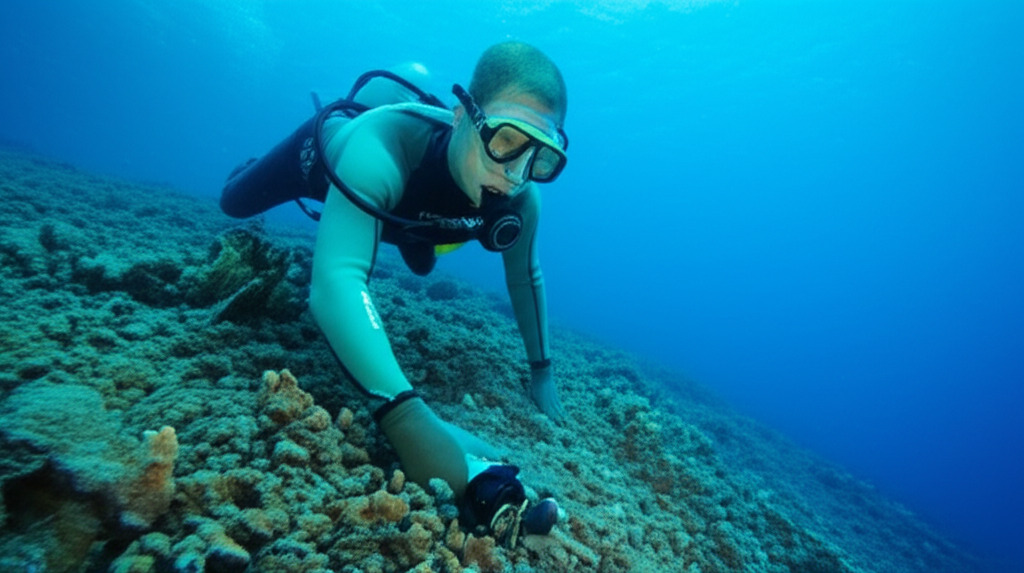
Biodiversity Monitoring Course

Why this course?

The Biodiversity Monitoring Course

This course will provide you with the essential tools to understand and assess the state of our ecosystems. You will learn everything from the theoretical foundations of ecology to the practical techniques of sampling and data analysis. This program will equip you to design and implement effective monitoring programs, contributing to the conservation and sustainable management of biodiversity.

Differential Advantages

  • Standardized Methodologies: Learn internationally recognized protocols for monitoring different taxonomic groups.
  • Data Analysis: Master the use of statistical software and visualization tools to interpret results and generate reports.
  • Real-World Case Studies: Analyze practical examples of monitoring projects in diverse ecosystems and contexts.
  • Subject Matter Experts: Receive instruction from professionals with extensive experience in biodiversity research and conservation.
  • Immediate Applicability: Acquire transferable skills to work in government organizations, NGOs, or environmental consultancies.
Monitoreo

Biodiversity Monitoring Course

Availability: 1 in stock

Who is it aimed at?

  • Biologists, ecologists, and environmental technicians seeking to deepen their knowledge of sampling methodologies, data analysis, and conservation status assessment.
  • Environmental consultants and project managers needing practical tools for preparing environmental impact reports and management plans.
  • Protected area managers and NGOs needing to optimize the monitoring of key species and biodiversity management in their territories.
  • Environmental science students and recent graduates seeking to gain real-world experience in the field of biological monitoring and conservation.
  • Citizens interested in contributing to the knowledge and protection of local biodiversity through citizen science projects.

Flexibility and Applicability

Adapted for professionals and students: downloadable materials, practical case studies, and access to online tools for data analysis.

Monitoreo

Objectives and competencies

Identify and apply standardized protocols:

“Use safety checklists and emergency procedures accurately and proactively.”

Analyze and interpret biodiversity data:

“Using statistical tools and specialized software to identify patterns, trends, and relationships in biodiversity data, generating clear and concise reports for conservation decision-making.”

Assess the conservation status of species and ecosystems:

“Identify key biodiversity indicators and apply standardized methodologies for monitoring and evaluating their status, considering the pressures and threats that affect them.”

Communicating findings effectively to different audiences:

Adapt the message (oral, written, visual) to the level of knowledge and expectations of each audience (technicians, managers, general public).

Use tools and technologies for data collection:

“Select and configure measuring instruments, data collection software, and data visualization platforms.”

Design and implement long-term monitoring programs:

Define key metrics, establish robust data collection protocols, and ensure the program’s scalability to adapt to environmental and operational changes.

Curriculum - Modules

  1. Comprehensive Maritime Incident Management: protocols, roles, and chain of command for coordinated response
  2. Operational Planning and Execution: briefing, routes, weather windows, and go/no-go criteria
  3. Rapid Risk Assessment: criticality matrix, scene control, and decision-making under pressure
  4. Operational Communication: VHF/GMDSS, standardized reports, and inter-agency liaison
  5. Tactical Mobility and Safe Boarding: RHIB maneuvers, approach, mooring, and recovery
  6. Equipment and Technologies: PPE, signaling, satellite tracking, and field data logging
  7. Immediate Care of the Affected: primary assessment, hypothermia, trauma, and stabilization for evacuation
  8. Adverse Environmental Conditions: swell, Visibility, flows, and operational mitigation

    Simulation and training: critical scenarios, use of VR/AR, and exercises with performance metrics

    Documentation and continuous improvement: lessons learned, indicators (MTTA/MTTR), and SOP updates

  1. Introduction to biological indicators: definition, types, and applications
  2. Principles of remote sensing: electromagnetic spectrum, sensors, and platforms
  3. Drones for biological monitoring: selection, operation, and maintenance
  4. Data acquisition with drones: multispectral, hyperspectral, and thermal sensors
  5. Aerial image processing: orthorectification, mosaicking, and classification
  6. Geospatial analysis of biological data: GIS tools and statistical methods
  7. Water quality indicators: sampling, analysis, and interpretation
  8. Application of drones for vegetation monitoring: vegetation and biomass indices
  9. Biodiversity assessment with drones and analysis geospatial
  10. Case studies: applications in agriculture, conservation, and environmental management

  1. Introduction to Field Techniques: Objectives, safety, and ethics.
  2. Field Sampling: Types of sampling, tools, and protocols.
  3. Sample Filtration and Preservation: Methods and best practices.
  4. Extraction of Environmental DNA: Laboratory protocols and considerations.
  5. Environmental DNA Sequencing: Technologies and basic bioinformatics analysis.
  6. Species Distribution Modeling: Concepts and algorithms.
  7. Environmental Variables: Data selection and preparation for modeling.
  8. Model Validation: Metrics and accuracy assessment.
  9. Applications of Predictive Modeling: Conservation and management.

    Ethics and good practices in environmental DNA research.

  1. Introduction to Bioacoustics: physical principles of sound, propagation in different media, underwater and terrestrial acoustics.
  2. Acoustic Sensors: microphones, hydrophones, transducers, calibration and maintenance.
  3. Recording Equipment: digital recorders, data acquisition systems, considerations for fieldwork.
  4. Spectrumographic Analysis: visualization and analysis of acoustic signals, identification of patterns and frequency components.
  5. Signal Processing: filtering, noise reduction, normalization, and other signal enhancement techniques.
  6. Statistical Analysis of Acoustic Data: acoustic metrics, analysis of variance, regression, and other methods.
  7. Bioacoustic Analysis Software: Raven, Audacity, R, Python, and other tools.
  8. Passive Acoustic Monitoring (PAM): study design, sensor deployment, long-term data analysis.
  9. Sound Classification Techniques: auditory discrimination, machine learning, species identification.
  10. Visualization of Acoustic Data: creation of graphs and maps for communicating results.

  1. Introduction to Bioacoustics: Physical principles of sound and its propagation in the environment.
  2. Sound recording and analysis equipment: Microphones, hydrophones, recorders, software.
  3. Identification of species songs and vocalizations: Spectrographic analysis and reference databases.
  4. Design of acoustic censuses: Sampling, listening points, recording duration.
  5. Analysis of acoustic data: Acoustic diversity metrics, automatic event detection.
  6. Introduction to environmental DNA (eDNA): Sample collection, DNA extraction, and purification.
  7. PCR and next-generation sequencing (NGS): Principles and applications in species identification.
  8. Design of eDNA studies: Sampling, controls, replicates.
  9. Analysis of eDNA data: Allocation Taxonomics, rarefaction curves, diversity metrics.
  10. Integration of bioacoustics, traditional censuses, and DNAe: case studies and applications in conservation.

  1. System Architecture and Components: Structural design, materials, and subsystems (mechanical, electrical, electronic, and fluid) with selection and assembly criteria for marine environments
  2. Fundamentals and Principles of Operation: Physical and engineering foundations (thermodynamics, fluid mechanics, electricity, control, and materials) that explain performance and operating limits
  3. Safety and Environmental (SHE): Risk analysis, PPE, LOTO, hazardous atmospheres, spill and waste management, and emergency response plans
  4. Applicable Regulations and Standards: IMO/ISO/IEC requirements and local regulations;
  5. Conformance criteria, certification, and best practices for operation and maintenance
  6. Inspection, testing, and diagnostics: Visual/dimensional inspection, functional testing, data analysis, and predictive techniques (vibration, thermography, fluid analysis) to identify root causes
  7. Preventive and predictive maintenance: Hourly/cycle/seasonal plans, lubrication, adjustments, calibrations, consumable replacement, post-service verification, and operational reliability
  8. Instrumentation, tools, and metrology: Measuring and testing equipment, diagnostic software, calibration and traceability; selection criteria, safe use, and storage
  9. Onboard integration and interfaces: Mechanical, electrical, fluid, and data compatibility; Sealing and watertightness, EMC/EMI, corrosion protection, and interoperability testing.

    Quality, acceptance testing, and commissioning: process and materials control, FAT/SAT, bench and sea trials, go/no-go criteria, and evidence documentation.

    Technical documentation and integrated practice: logs, checklists, reports, and a complete case study (safety → diagnosis → intervention → verification → report) applicable to any system.

Plan de estudio - Módulos

  1. Comprehensive Maritime Incident Management: protocols, roles, and chain of command for coordinated response
  2. Operational Planning and Execution: briefing, routes, weather windows, and go/no-go criteria
  3. Rapid Risk Assessment: criticality matrix, scene control, and decision-making under pressure
  4. Operational Communication: VHF/GMDSS, standardized reports, and inter-agency liaison
  5. Tactical Mobility and Safe Boarding: RHIB maneuvers, approach, mooring, and recovery
  6. Equipment and Technologies: PPE, signaling, satellite tracking, and field data logging
  7. Immediate Care of the Affected: primary assessment, hypothermia, trauma, and stabilization for evacuation
  8. Adverse Environmental Conditions: swell, Visibility, flows, and operational mitigation

    Simulation and training: critical scenarios, use of VR/AR, and exercises with performance metrics

    Documentation and continuous improvement: lessons learned, indicators (MTTA/MTTR), and SOP updates

  1. Introduction to biological indicators: definition, types, and applications
  2. Principles of remote sensing: electromagnetic spectrum, sensors, and platforms
  3. Drones for biological monitoring: selection, operation, and maintenance
  4. Data acquisition with drones: multispectral, hyperspectral, and thermal sensors
  5. Aerial image processing: orthorectification, mosaicking, and classification
  6. Geospatial analysis of biological data: GIS tools and statistical methods
  7. Water quality indicators: sampling, analysis, and interpretation
  8. Application of drones for vegetation monitoring: vegetation and biomass indices
  9. Biodiversity assessment with drones and analysis geospatial
  10. Case studies: applications in agriculture, conservation, and environmental management

  1. Introduction to Field Techniques: Objectives, safety, and ethics.
  2. Field Sampling: Types of sampling, tools, and protocols.
  3. Sample Filtration and Preservation: Methods and best practices.
  4. Extraction of Environmental DNA: Laboratory protocols and considerations.
  5. Environmental DNA Sequencing: Technologies and basic bioinformatics analysis.
  6. Species Distribution Modeling: Concepts and algorithms.
  7. Environmental Variables: Data selection and preparation for modeling.
  8. Model Validation: Metrics and accuracy assessment.
  9. Applications of Predictive Modeling: Conservation and management.

    Ethics and good practices in environmental DNA research.

  1. Introduction to Bioacoustics: physical principles of sound, propagation in different media, underwater and terrestrial acoustics.
  2. Acoustic Sensors: microphones, hydrophones, transducers, calibration and maintenance.
  3. Recording Equipment: digital recorders, data acquisition systems, considerations for fieldwork.
  4. Spectrumographic Analysis: visualization and analysis of acoustic signals, identification of patterns and frequency components.
  5. Signal Processing: filtering, noise reduction, normalization, and other signal enhancement techniques.
  6. Statistical Analysis of Acoustic Data: acoustic metrics, analysis of variance, regression, and other methods.
  7. Bioacoustic Analysis Software: Raven, Audacity, R, Python, and other tools.
  8. Passive Acoustic Monitoring (PAM): study design, sensor deployment, long-term data analysis.
  9. Sound Classification Techniques: auditory discrimination, machine learning, species identification.
  10. Visualization of Acoustic Data: creation of graphs and maps for communicating results.

  1. Introduction to Bioacoustics: Physical principles of sound and its propagation in the environment.
  2. Sound recording and analysis equipment: Microphones, hydrophones, recorders, software.
  3. Identification of species songs and vocalizations: Spectrographic analysis and reference databases.
  4. Design of acoustic censuses: Sampling, listening points, recording duration.
  5. Analysis of acoustic data: Acoustic diversity metrics, automatic event detection.
  6. Introduction to environmental DNA (eDNA): Sample collection, DNA extraction, and purification.
  7. PCR and next-generation sequencing (NGS): Principles and applications in species identification.
  8. Design of eDNA studies: Sampling, controls, replicates.
  9. Analysis of eDNA data: Allocation Taxonomics, rarefaction curves, diversity metrics.
  10. Integration of bioacoustics, traditional censuses, and DNAe: case studies and applications in conservation.

  1. System Architecture and Components: Structural design, materials, and subsystems (mechanical, electrical, electronic, and fluid) with selection and assembly criteria for marine environments
  2. Fundamentals and Principles of Operation: Physical and engineering foundations (thermodynamics, fluid mechanics, electricity, control, and materials) that explain performance and operating limits
  3. Safety and Environmental (SHE): Risk analysis, PPE, LOTO, hazardous atmospheres, spill and waste management, and emergency response plans
  4. Applicable Regulations and Standards: IMO/ISO/IEC requirements and local regulations;
  5. Conformance criteria, certification, and best practices for operation and maintenance
  6. Inspection, testing, and diagnostics: Visual/dimensional inspection, functional testing, data analysis, and predictive techniques (vibration, thermography, fluid analysis) to identify root causes
  7. Preventive and predictive maintenance: Hourly/cycle/seasonal plans, lubrication, adjustments, calibrations, consumable replacement, post-service verification, and operational reliability
  8. Instrumentation, tools, and metrology: Measuring and testing equipment, diagnostic software, calibration and traceability; selection criteria, safe use, and storage
  9. Onboard integration and interfaces: Mechanical, electrical, fluid, and data compatibility; Sealing and watertightness, EMC/EMI, corrosion protection, and interoperability testing.

    Quality, acceptance testing, and commissioning: process and materials control, FAT/SAT, bench and sea trials, go/no-go criteria, and evidence documentation.

    Technical documentation and integrated practice: logs, checklists, reports, and a complete case study (safety → diagnosis → intervention → verification → report) applicable to any system.

  1. Introduction to Field Techniques: planning, safety, and ethics.
  2. Field Sampling: experimental design, sample types (water, soil, air).
  3. Sampling Equipment: handling, calibration, and maintenance.
  4. Sample Preservation and Transport: protocols and chain of custody.
  5. Environmental DNA Extraction: methods and optimization.
  6. PCR and qPCR: fundamentals and applications in environmental DNA.
  7. Environmental DNA Sequencing: technologies and basic bioinformatics analysis.
  8. Fundamentals of Bioacoustics: sound in the environment, propagation, and measurement.
  9. Bioacoustic Recording Equipment: microphones, hydrophones, and Recorders.
  10. Analysis of bioacoustic data: identification of species and behavioral patterns.

  1. Introduction to Biodiversity: Key concepts, levels of organization, importance, and threats.
  2. Ethics in Biodiversity Research: Informed consent, respect for local communities, and good scientific practices.
  3. Planning Field Projects: Defining objectives, sampling design, technique selection, and logistics.
  4. Vegetation Sampling Techniques: Transects, quadrats, center points, and cover estimation methods.
  5. Terrestrial Fauna Sampling Techniques: Traps, nets, camera traps, track tracking, and visual censuses.
  6. Aquatic Fauna Sampling Techniques: Trawls, electrofishing, benthic invertebrate sampling, and environmental DNA analysis.
  7. Sampling Techniques for
  8. Microorganisms: Isolation, culture, Gram staining, and DNA sequencing.
  9. Field Data Management: Collection, organization, validation, storage, and backups.
  10. Introduction to Statistics for Biodiversity: Basic concepts, hypothesis testing, analysis of variance, and regression.
  11. Software for Biodiversity Data Analysis: R, QGIS, niche modeling tools, and collaboration platforms.

  1. Introduction to Biodiversity: Key concepts, levels, and distribution.
  2. Flora Sampling Techniques: Transects, quadrats, cover estimation methods.
  3. Terrestrial Fauna Sampling Techniques: Traps, camera traps, track counting, direct observation.
  4. Aquatic Fauna Sampling Techniques: Nets, diving, electrofishing, environmental DNA analysis.
  5. Ecological Data Analysis: Diversity, abundance, richness, and evenness indices.
  6. Habitat Monitoring: Characterization, quality assessment, and threat identification.
  7. Use of GPS and GIS in Monitoring: Spatial data collection, Analysis of species distribution.
  8. Ex Situ Conservation: Germplasm banks, zoos, aquariums, botanical gardens.
  9. In Situ Conservation: Protected areas, biological corridors, adaptive management.
  10. Environmental Education strategies and community participation in conservation.

  1. Introduction to Bioacoustics: Physical principles of sound, production and reception in organisms.
  2. Audio Recording and Analysis Equipment: Microphones, hydrophones, recorders, analysis software.
  3. Analysis of Acoustic Signals: Spectrograms, oscillograms, key acoustic parameters.
  4. Geographic Information Systems (GIS): Introduction to digital mapping, geographic databases, and GIS software.
  5. Spatial Analysis in GIS: Layer overlay, proximity analysis, interpolation.
  6. Introduction to Environmental DNA (eDNA): Origin, transport, and degradation of eDNA.
  7. eDNA Sampling: Collection protocols in water, sediment, and air.
  8. eDNA Extraction and Amplification: PCR, qPCR, and High-Level Sequencing Techniques.
  9. Applications of Bioacoustics, GIS, and eDNA: Biodiversity monitoring, distribution studies, and environmental impact assessment.
  10. Data Integration: Combined use of bioacoustics, GIS, and eDNA for research and conservation.

Career opportunities

  • Field Technician in Conservation Projects: Data collection, species identification, population monitoring.
  • Environmental Consultant: Environmental impact assessment, design of biodiversity management plans.
  • Environmental Educator: Design and implementation of educational programs on biodiversity.
  • Protected Area Manager: Planning and management of national parks, nature reserves, etc.
  • Scientific Researcher: Development of studies on ecology, conservation, and management of biodiversity.
  • Environmental Data Analyst: Processing and analysis of biodiversity data for decision-making.
  • Technician in Wildlife Rescue and Rehabilitation Centers: Care and rehabilitation of wild animals.
  • Environmental Policy Advisor: Development of Reports and recommendations for biodiversity conservation at the governmental level.

“`

Admission requirements

Academic/professional profile:

Degree/Bachelor's degree in Nautical Science/Maritime Transport, Naval/Marine Engineering, or a related field; or proven professional experience in bridge/operations.

Language proficiency:

Recommended functional maritime English (SMCP) for simulations and technical materials.

5. Induction

Updated resume, copy of degree or seaman's book, ID card/passport, letter of motivation.

Technical requirements (for online):

Equipment with camera/microphone, stable connection, ≥ 24” monitor recommended for ECDIS/Radar-ARPA.

Admission process and dates

1. Online
application

(form + documents).

2. Academic review and interview

(profile/objectives/schedule compatibility).

3. Admission decision

(+ scholarship proposal if applicable).

4. Reservation of place

(deposit) and registration.

5. Induction

(access to campus, calendars, simulator guides).

Scholarships and grants

  • Monitoring Fundamentals: Learn the essential principles and importance of monitoring for conservation.
  • Field Techniques: Master practical methods for sampling, identifying, and recording biodiversity data.
  • Data Analysis: Acquire skills to interpret ecological data and generate meaningful reports.
  • Tools and Software: Become familiar with the key technologies and programs used in biodiversity analysis.
  • Conservation Strategies: Understand how monitoring informs decisions and actions to protect biodiversity.
Boost your conservation career with this comprehensive course and become an expert in biodiversity monitoring.

Testimonials

Frequently asked questions

The variety of life on Earth, including all living organisms, their genes, and the ecosystems they form.

Yes. The itinerary includes ECDIS/Radar-ARPA/BRM with harbor, ocean, fog, storm, and SAR scenarios.

Online with live sessions; hybrid option for simulator/practical placements through agreements.

Assess the status and trends of biodiversity to inform conservation and management strategies.

Recommended functional SMCP. We offer support materials for standard phraseology.

Yes, with a relevant degree or experience in maritime/port operations. The admissions interview will confirm suitability.

Optional (3–6 months) through Companies & Collaborations and the Alumni Network.

Simulator practice (rubrics), defeat plans, SOPs, checklists, micro-tests and applied TFM.

A degree from Navalis Magna University + operational portfolio (tracks, SOPs, reports and KPIs) useful for audits and employment.

  1. Introduction to Bioacoustics: Physical principles of sound, production and reception in organisms.
  2. Audio Recording and Analysis Equipment: Microphones, hydrophones, recorders, analysis software.
  3. Analysis of Acoustic Signals: Spectrograms, oscillograms, key acoustic parameters.
  4. Geographic Information Systems (GIS): Introduction to digital mapping, geographic databases, and GIS software.
  5. Spatial Analysis in GIS: Layer overlay, proximity analysis, interpolation.
  6. Introduction to Environmental DNA (eDNA): Origin, transport, and degradation of eDNA.
  7. eDNA Sampling: Collection protocols in water, sediment, and air.
  8. eDNA Extraction and Amplification: PCR, qPCR, and High-Level Sequencing Techniques.
  9. Applications of Bioacoustics, GIS, and eDNA: Biodiversity monitoring, distribution studies, and environmental impact assessment.
  10. Data Integration: Combined use of bioacoustics, GIS, and eDNA for research and conservation.

Request information

  1. Complete the Application Form
  2. Attach your CV/Qualifications (if you have them to hand).
  3. Indicate your preferred cohort (January/May/September) and whether you want the hybrid option with simulator sessions.
An academic advisor will contact you within 24–48 hours to guide you through the admission process, scholarships, and compatibility with your professional schedule. Translated with DeepL.com (free version)
Please enable JavaScript in your browser to complete this form.
Click or drag a file to this area to upload.

Teachers

0
    0
    Tu carrito
    Tu carrito esta vacíoRegresar a la tienda
    Scroll to Top


