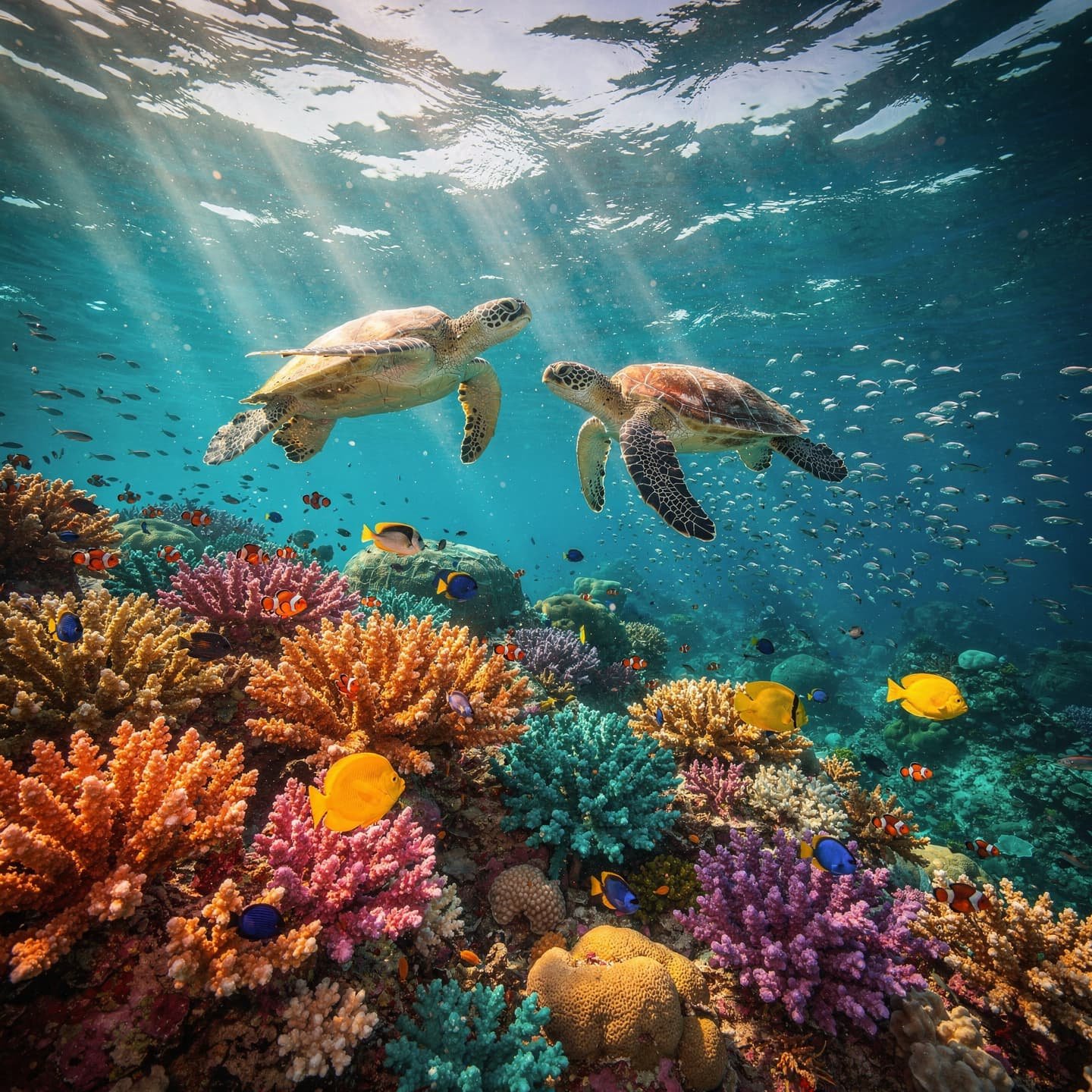
Master’s Degree in Marine Environmental Law
Why this master’s programme?
The Master in Marine Environmental Law
This program equips you to lead the protection of the oceans. It delves into the international and national legislation that regulates maritime activity and its impact on the environment. You will learn to apply legal and technical tools for the sustainable management of marine resources, pollution prevention, and biodiversity conservation. This program prepares you to face the challenges of climate change and overexploitation, driving innovative solutions for a sustainable marine future.
Differential Advantages
- Practical Approach: analysis of real cases and simulations of environmental litigation.
- Comprehensive Vision: from legislation on fisheries and aquaculture to the regulation of maritime transport and marine renewable energies.
- Network of Experts: renowned professors and access to a broad network of professionals in the sector.
- Skills Development: negotiation, conflict management, and effective communication in the field of marine environmental law.
- Career Opportunities: in public administrations, NGOs, companies in the maritime and energy sectors, and environmental consultancies.
- Modality: Online
- Level: Masters
- Hours: 1600 H
- Start date: 26-04-2026
Availability: 1 in stock
Who is it aimed at?
- Lawyers and consultants seeking specialization in the growing regulation of the marine environment.
- Environmental managers who need legal tools for the protection of marine ecosystems.
- Public officials from coastal and maritime administrations interested in applying environmental legislation.
- Maritime professionals (shipowners, shipping companies, ports) who require regulatory compliance and environmental risk management.
- Graduates in Law, Environmental Sciences, or Marine Biology seeking a professional career in the field of Marine Environmental Law.
Flexibility and Specialization
Master’s program designed to be combined with your professional activity: flexible online format, relevant case studies and expert teaching staff in the subject.
Objectives and skills

Advising on the sustainable management of marine resources:
Promote responsible fishing practices, respecting quotas and closed seasons, and promoting the selectivity of fishing gear to minimize the impact on non-target species and sensitive habitats.

Assess the environmental impact of maritime activities:
“Identify and mitigate risks of contamination by hydrocarbons and other harmful substances, using contingency plans and emergency response teams.”

Develop marine environmental regulatory compliance strategies:
Implement environmental management systems (EMS) based on ISO 14001 standards, adapting them to maritime operations and ensuring continuous improvement in pollution prevention.

Design and implement policies for the protection of the marine environment:
“Develop and implement waste management plans on board and in port, complying with MARPOL and local legislation, and promote waste minimization practices.”

Effectively litigating in cases of marine environmental damage:
“Present solid evidence, analyze expert reports, and argue the causal link between the action and the damage based on environmental legislation and international conventions.”

Managing marine conservation projects:
“To assess the environmental impact of human activities on marine ecosystems and to propose effective mitigation measures.”
Study plan – Modules
- Fundamental Principles of Marine Environmental Law: International and regional regulatory framework, treaties, conventions, and protocols applicable to the sustainable management of marine resources
- Assessment and diagnosis of aquatic ecosystems: Scientific tools, environmental indicators, and monitoring techniques for identifying critical areas and ecological vulnerabilities
- Legal strategies for the conservation of marine biodiversity: Creation and management of marine protected areas, regulations on sustainable fishing, control of invasive species, and restoration of degraded habitats
- Integrated Coastal and Marine Zone Management (ICZM): Intersectoral coordination, community participation, and implementation of public-private policies to ensure a balance between economic development and environmental conservation
- Impact of marine pollution: Legal and environmental analysis of solid waste, hydrocarbons, emerging pollutants, and eutrophication;
- Accountability, prevention, and remediation mechanisms
- Economic and financial instruments for marine sustainability: green funds, tax incentives, payments for environmental services, and fisheries rights market schemes
- Regulatory framework for the sustainable exploitation of living and non-living resources: artisanal and commercial fishing, aquaculture, deep-sea mining, and marine renewable energy under national and international regulations
- Risk management and climate change in marine environments: adaptation, mitigation, and resilience measures in the face of ocean acidification, sea-level rise, and extreme weather events
- Legal procedures for resolving marine environmental conflicts: mediation, arbitration, environmental litigation, and the application of principles of environmental justice and intergenerational equity
- Technological innovation and digital governance in marine resource management: geographic information systems (GIS), satellite monitoring, blockchain for fisheries traceability, and collaborative environmental management platforms
- Advanced case studies: critical analysis of successful and failed policies in marine conservation at the global level, focusing on lessons learned and best practices for sustainable and effective management
- International legal framework for marine conservation: United Nations Convention on the Law of the Sea (UNCLOS), guiding principles, and maritime sovereignty
- Binding and non-binding multilateral instruments: Ramsar Convention, Bonn Convention, Barcelona Convention, and specific marine protection protocols
- Legal regimes for marine protected areas (MPAs): categorization, establishment, management, and enforcement mechanisms
- Public policies for integrated ocean management: sustainable development, blue economy, and marine environmental governance
- International regulations relating to marine biodiversity and the conservation of threatened species: CITES, Convention on Biological Diversity (CBD), and specific protocols
- Regulatory framework on marine pollution: MARPOL, London Convention, and regulations on the discharge of solid, chemical, and biological wastes
- Rights and obligations of coastal and non-coastal states in the protection of the marine environment: zones Exclusive Economic Zones (EEZs), Continental Shelf, and High Seas
International instruments for the management of fisheries resources and sustainable fishing: Agreement for the Conservation and Management of Living Fisheries Resources in the High Seas
Policies and strategies for adaptation and mitigation to climate change in the marine environment: international actions and integrated national plans
Mechanisms for international cooperation and compliance: monitoring mechanisms, sanctions, litigation before international tribunals, and dispute resolution
- Foundations of Marine Environmental Law: General Principles and Historical Evolution
- United Nations Convention on the Law of the Sea (UNCLOS): Structure, Competencies, and Legal Regime of Marine Spaces
- International Regulations on Marine Protected Areas: Design, Management, and Monitoring Criteria
- Relevant Multilateral Legal Instruments: MARPOL, OSPAR, Barcelona, and Ramsar Conventions
- The Role of the International Maritime Organization (IMO) in Regulating Marine Pollution and Maritime Safety
- Sovereign Rights and State Jurisdiction over Marine Natural Resources: Exclusive Economic Zones and the Continental Shelf
- Regulation of the Sustainable Use of Fisheries Resources: Precautionary Principles, International Agreements, and Control of Illegal, Unreported, and Unregulated (IUU) Fishing
- Enforcement, Monitoring, and Sanctions Mechanisms in the International Framework: Cooperation between States and dispute settlement mechanisms
Impact of international environmental law on the management of marine activities: exploration, exploitation, and transport
Emerging perspectives: conservation of marine biodiversity in areas beyond national jurisdiction (ABNJ) and legal challenges for global ocean governance
- Conceptual framework of marine environmental governance: fundamental principles, key actors, and institutional dynamics in marine resource management
- Public policies and international strategies for the protection of the marine environment: in-depth analysis of conventions such as the United Nations Convention on the Law of the Sea (UNCLOS), the Paris Agreement, and other multilateral instruments
- National and supranational regulations: applicable legal structures, regulatory powers, and coordination mechanisms among maritime, environmental, and sectoral authorities
- Legal instruments for coastal zone management: land-use planning, management plans, strategic environmental assessment, and citizen participation protocols
- Design, implementation, and legal management of Marine Protected Areas (MPAs): scientific criteria, IUCN categorization, legal regime, permitted uses, and legal restrictions
- Blue Economy and sustainable development: legal and economic analysis of business models based on marine biotechnology and renewable energies Offshore, responsible aquaculture, and coastal tourism
Environmental compliance, monitoring, and oversight mechanisms: satellite surveillance systems, maritime inspections, and environmental audits applied to marine conservation
Environmental liability, sanctions, and remediation mechanisms: technical aspects of the sanctions regime, calculation of damages, and effective ecological restoration models
Marine environmental litigation: judicial and administrative proceedings, protective measures, precautionary measures, and relevant case law in defense of the marine environment
Advanced tools for integrated coastal and marine governance: multi-level governance, participation of the public and private sectors and local communities, and development of technical and legal capacities
- International and regional regulatory framework on environmental liability in the maritime sector: MARPOL, London, and OSPAR conventions and applicable national laws
- Principles of environmental compliance in the maritime industry: legal obligations, codes of conduct, and corporate compliance programs
- Environmental risk assessment in maritime operations: identification, analysis, and mitigation in port activities, navigation, and extraction
- Mechanisms for preventing environmental damage: environmental management systems (EMS), internal audits, ISO 14001 certifications, and best operating practices
- Civil, administrative, and criminal liability for marine pollution: criteria for imputability, sanctionability, and relevant case law
- Formal and sanctioning procedures for environmental non-compliance: inspections, investigations, fines, and closures
- Environmental remediation mechanisms: restoration, compensation, remediation, and damage management marine
Role of competent authorities and international organizations in environmental monitoring and control in the maritime sector
Incident management and rapid response to environmental emergencies: contingency plans, multi-level coordination, and effective communication
Advanced compliance strategies: environmental compliance officer, continuous training, reporting, and a proactive organizational culture focused on sustainability
- Conceptual Framework of Marine Environmental Law: Guiding Principles, Rights of Use, and Responsibilities
- Key International Conventions: Detailed Analysis of the United Nations Convention on the Law of the Sea (UNCLOS), Ramsar Convention, Barcelona Convention, and Bonn Convention
- International Regulatory Structure: Hierarchy of Norms, Implementation Mechanisms, and Applicability in National Jurisdictions
- Ocean Governance Mechanisms: International Organizations (IMO, UNEP, FAO) and Their Role in Marine Ecological Protection
- Legal Regimes for the Conservation of Marine Biodiversity: Marine Protected Areas, Biological Corridors, and Marine Areas of Ecological Importance
- Environmental Impact Assessment in Marine Areas: Legal Requirements, International Standards, and Integrated Scientific Methods
- Environmental Liability and Remediation Regime: Regulations on Damage to the Marine Ecosystem, Funds
- Fiduciary and Compensation Mechanisms
- Legal Framework for Fisheries Sustainability: International Fisheries Regulation, Regional Agreements, and Conservation Measures
- Global Policies and Strategies for Climate Change Adaptation and Mitigation in Marine Ecosystems
- Legal Instruments for the Prevention of Marine Pollution: Analysis of MARPOL, Protocols, and Applied Technologies
- Contemporary Challenges in Marine Environmental Law: International Litigation, Jurisdictional Conflicts, and Arbitration
- National Implementation of International Regulations: Case Studies, Legislative Strategies, and Transboundary Cooperation
- Indigenous and Local Community Rights in Marine Conservation: Integration into Regulations and Respect for Ancestral Knowledge
- Monitoring and Compliance Mechanisms: Inspections, Periodic Reports, and Effective Sanctions
- Future of Law Marine Environment: Legal Trends, Technological Innovations, and Proposals for Sustainable Ocean Governance
[Other]
- International legal framework for marine conservation: key conventions, treaties, and protocols (United Nations Convention on the Law of the Sea – UNCLOS, Barcelona Convention, Cartagena Convention, among others)
- Global environmental protection policies: analysis of the 2030 Biodiversity Strategy, Sustainable Development Goals (SDGs), and the Paris Agreement in the marine context
- International instruments for the sustainable management of marine resources: marine protected areas (MPAs), marine protected areas (MPAs), and marine ecological corridors
- International maritime governance: structures, competencies, and inter-institutional coordination in multilateral organizations (ILO, IMO, FAO, UNEP)
- Compliance and enforcement mechanisms: monitoring, reporting, and verification (MRV) systems, inspections, and sanctions in the maritime domain
- Detailed analysis of
- The Convention on Biological Diversity (CBD) and its Nagoya Protocol on the conservation and sustainable use of marine genetic resources
- International responsibility and remediation of marine environmental damage: guiding principles, case studies, and established jurisprudence
- Marine environmental law policies in the face of climate change: adaptation, mitigation, and integrated coastal zone management
- Integrating ecosystem approaches into ocean governance: science-based management, public participation, and transnational cooperation
- Critical analysis of the governance of marine living resources: sustainable fishing, control of overexploitation, and compliance with international fisheries standards
- Legal and policy implications of access to and use of mineral resources in deep waters and areas beyond national jurisdiction
- Instruments and policies for marine pollution: regulation of discharges, waste management, and control of emerging pollutants
- Impact of new technologies on marine environmental management and regulation: biotechnology, deep-sea mining, and ocean renewable energies
- Development and implementation of policies on the right to a healthy and balanced marine environment: human rights and the marine environment
- Case studies on international cooperation in the conservation and sustainable use of marine protected areas and exclusive economic zones (EEZs)
- Fundamentals and principles of Environmental Impact Assessment (EIA) in marine and coastal-marine ecosystems: scope, objectives, and applicable international regulations
- Advanced methodologies for the identification, analysis, and quantification of environmental impacts arising from marine activities: assessment of biota, water quality, and sedimentology
- Instruments for strategic environmental planning: integration of EIA with marine land-use planning and ecological-economic zoning (EEZ)
- National and international legal framework for the protection of marine and coastal-marine ecosystems: conventions, protocols, and comparative legislation
- Legal procedures for the preparation, submission, and approval of Environmental Impact Assessments (EIAs) in marine and coastal projects: roles, responsibilities, and deadlines
- Environmental risk assessment: techniques for modeling pollutant dispersion, acoustic impact, and alterations to sensitive habitats
- Mitigation instruments and measures Corrective measures: design of environmental management plans, ecological restoration, and post-project monitoring
Public participation and environmental consultation: mechanisms for including communities and stakeholders interested in marine environmental protection
Case studies of EIA application in scientific, fishing, energy, and tourism developments in marine environments
Technological advances for environmental monitoring and control: use of geographic information systems (GIS), remote sensing, and satellite platforms
- Fundamentals of Marine Environmental Law: general principles, sources of international law, and their application in marine spaces
- Key international conventions: detailed analysis of the United Nations Convention on the Law of the Sea (UNCLOS), the Barcelona Convention, and the Cartagena Protocol
- National regulations and legal instruments for marine protection: legal regime of coastal zones, marine protected areas, and regulation of extractive activities
- Strategic environmental assessment and management: legal framework for Environmental Impact Assessment (EIA) in marine projects and the incorporation of sustainability criteria
- Compliance and monitoring mechanisms: roles of regulatory agencies, oversight, inspection, and administrative sanctions in marine environmental matters
- Rights and obligations of coastal states and the international community in the conservation and sustainable use of marine resources
- Legal tools for integrated coastal zone management (ICZM): planning, implementation, and coordination Interinstitutional
Environmental liability and the marine damage remediation regime: case analysis and relevant jurisprudence
Legal instruments for the protection of marine biodiversity: protected species, critical habitats, and sustainable fisheries regulation
Sustainable development in the maritime context: reconciling economic development, environmental conservation, and social justice
Legal procedures and environmental litigation in marine matters: filing, processing, and resolution of legal disputes
Transdisciplinary perspective in marine environmental law: integrating scientific, technical, and legal knowledge for informed decision-making
Assessment of the impact of marine pollution and applicable regulations for its prevention and control: MARPOL and supplementary protocols
Legal framework for the management of living marine resources: fisheries management, quotas, closed seasons, and control of illegal, unreported, and unregulated fishing (INDNR)
Contemporary challenges in ocean governance: climate change, acidification, conservation of deep-sea ecosystems, and marine areas of extraterritorial jurisdiction
- Conceptual and Regulatory Framework of Marine Environmental Law: Comprehensive analysis of the international, regional, and national principles applicable to the conservation and sustainable use of marine and coastal-marine ecosystems.
- Comprehensive Diagnosis and Evaluation of Marine and Coastal-Marine Ecosystems: Advanced methodologies for studying biodiversity, environmental quality, anthropogenic impacts, and conservation status.
- Design and Development of Comprehensive Marine Environmental Management Models: Legal, technical, and administrative tools for implementing sustainable public policies.
- Legal and Regulatory Instruments for Environmental Protection and Rehabilitation: Detailed analysis of international conventions (UNCLOS, CBD, Ramsar), national regulations, and sectoral protocols.
- Strategic Planning for Conservation and Sustainable Use: Formulation of management plans, marine protected areas, and adaptive strategies to address climate change and ocean acidification.
- Environmental and Social Impact Assessment of Projects Marine and coastal areas: technical, legal, and participatory procedures to guarantee the mitigation and compensation of environmental damage.
Integrated coastal and marine zone management (ICZM): inter-institutional coordination, management of land use conflicts, and promotion of ecosystem resilience.
Economic and financial models for marine sustainability: valuation of ecosystem services, economic incentives, and financing mechanisms for environmental conservation.
Citizen participation, environmental governance, and human rights: integration of local and indigenous communities in marine environmental decision-making and regulation.
Monitoring, control, and compliance: design of technological and legal systems for environmental monitoring, inspection, and effective sanctions in the marine environment.
International and national case studies: comparative analysis of successful marine management models, lessons learned, and recommendations for replicability.
Development and presentation of the final master’s project: rigorously researched development of A comprehensive model for the management and regulation of marine and coastal ecosystems aimed at their conservation, sustainable use, and rehabilitation, including proposed indicators, monitoring mechanisms, and adaptation strategies for future environmental scenarios.
[…]
Career prospects
“`html
- Marine Environmental Consultant: Environmental impact assessment, sustainability strategies, regulatory compliance.
- Marine Project Manager: Planning and execution of conservation, restoration, and sustainable development projects in coastal and marine areas.
- Lawyer specializing in marine environmental law: Legal advice to companies, organizations, and public administrations on maritime legislation, marine pollution, and natural resources.
- Public Administration Technician: Development of public policies, management of natural resources, and environmental monitoring and enforcement in the marine environment.
- Researcher in marine environmental law: Development of scientific and legal research on topics related to the protection of the marine environment.
- Sustainability Manager in companies in the maritime sector: Implementation of sustainable practices, environmental risk management, and sustainability reporting.
- Environmental Educator: Design and development of educational programs on the importance of the marine environment and the need for its protection.
- Environmental Auditor: Evaluation of compliance with environmental regulations in companies and institutions in the maritime sector.
“`
Entry requirements

Academic/professional profile:
Bachelor’s degree in Nautical Science/Maritime Transport, Naval/Marine Engineering or a related qualification; or proven professional experience on the bridge/in operations.

Language proficiency:
Functional Maritime English (SMCP) recommended for simulations and technical materials.

Documentation:
Updated CV, copy of qualification or seaman’s book, national ID/passport, motivation letter.

Technical requirements (for online):
Device with camera/microphone, stable internet connection, monitor ≥ 24” recommended for ECDIS/Radar-ARPA.
Admissions process and dates

Online
application
(form + documents).

Academic review and interview
Admissions decision

Admissions decision
(+ scholarship offer if applicable).

Place reservation
(deposit) and enrolment.

Induction
(access to the virtual campus, calendars, simulator guides).
Scholarships and financial support
- Specialization: Delve into the international and national legislation that protects our oceans and coasts.
- Practical Approach: Acquire skills for the sustainable management of marine resources and the resolution of environmental conflicts.
- Leading Experts: Learn from renowned professionals in environmental law, marine biology, and public policy.
- Career Opportunities: Prepare to work in government organizations, NGOs, environmental consultancies, and the private sector.
- Networking: Expand your network with industry professionals and participate in collaborative projects.
Testimonials
This master’s degree provided me with the necessary tools to successfully lead the legal defense of a coastal marine ecosystem threatened by a development project. My in-depth knowledge of marine environmental law, acquired during the program, was fundamental to arguing the case and achieving definitive protection for the area.
During my Master’s degree in Maritime Law and Legislation, I excelled in the practical application of my acquired knowledge, producing a comparative analysis of international maritime salvage regulations that was praised for its rigor and depth, and subsequently published in a specialized industry journal. This led to an internship at the International Maritime Organization, where I was able to contribute directly to the review of key regulations.
This master’s degree provided me with the legal tools and in-depth understanding of marine ecosystems necessary to lead the negotiation of an international agreement for the protection of an endangered coral reef. The success of the negotiation, which culminated in the signing of the treaty by twelve countries, was largely due to my ability to integrate the scientific, economic, and legal aspects of the issue—skills I acquired and honed during the program.
This master’s program provided me with the necessary tools to lead the legal team that secured protection for a crucial marine ecosystem in Chile. My understanding of international law, combined with the program’s practical approach, was fundamental to the success of the legal strategy and the subsequent declaration of a marine protected area.

Frequently asked questions
Marine environmental law
Yes. The itinerary includes ECDIS/Radar-ARPA/BRM with harbor, ocean, fog, storm, and SAR scenarios.
Online with live sessions; hybrid option for simulator/practical placements through agreements.
Marine environmental law
Recommended functional SMCP. We offer support materials for standard phraseology.
Yes, with a relevant degree or experience in maritime/port operations. The admissions interview will confirm suitability.
Optional (3–6 months) through Companies & Collaborations and the Alumni Network.
Simulator practice (rubrics), defeat plans, SOPs, checklists, micro-tests and applied TFM.
A degree from Navalis Magna University + operational portfolio (tracks, SOPs, reports and KPIs) useful for audits and employment.
- Conceptual and Regulatory Framework of Marine Environmental Law: Comprehensive analysis of the international, regional, and national principles applicable to the conservation and sustainable use of marine and coastal-marine ecosystems.
- Comprehensive Diagnosis and Evaluation of Marine and Coastal-Marine Ecosystems: Advanced methodologies for studying biodiversity, environmental quality, anthropogenic impacts, and conservation status.
- Design and Development of Comprehensive Marine Environmental Management Models: Legal, technical, and administrative tools for implementing sustainable public policies.
- Legal and Regulatory Instruments for Environmental Protection and Rehabilitation: Detailed analysis of international conventions (UNCLOS, CBD, Ramsar), national regulations, and sectoral protocols.
- Strategic Planning for Conservation and Sustainable Use: Formulation of management plans, marine protected areas, and adaptive strategies to address climate change and ocean acidification.
- Environmental and Social Impact Assessment of Projects Marine and coastal areas: technical, legal, and participatory procedures to guarantee the mitigation and compensation of environmental damage.
Integrated coastal and marine zone management (ICZM): inter-institutional coordination, management of land use conflicts, and promotion of ecosystem resilience.
Economic and financial models for marine sustainability: valuation of ecosystem services, economic incentives, and financing mechanisms for environmental conservation.
Citizen participation, environmental governance, and human rights: integration of local and indigenous communities in marine environmental decision-making and regulation.
Monitoring, control, and compliance: design of technological and legal systems for environmental monitoring, inspection, and effective sanctions in the marine environment.
International and national case studies: comparative analysis of successful marine management models, lessons learned, and recommendations for replicability.
Development and presentation of the final master’s project: rigorously researched development of A comprehensive model for the management and regulation of marine and coastal ecosystems aimed at their conservation, sustainable use, and rehabilitation, including proposed indicators, monitoring mechanisms, and adaptation strategies for future environmental scenarios.
[…]
Request information
Complete the Application Form.
Attach your CV/degree certificate (if you have it to hand).
Indicate your preferred cohort (January/May/September) and whether you would like the hybrid option with simulator sessions.
An academic advisor will contact you within 24–48 hours to guide you through the admission process, scholarships, and compatibility with your professional schedule.
Faculty
Eng. Tomás Riera
Full Professor
Eng. Tomás Riera
Full Professor
Eng. Sofía Marquina
Full Professor
Eng. Sofía Marquina
Full Professor
Eng. Javier Bañuls
Full Professor
Eng. Javier Bañuls
Full Professor
Dr. Nuria Llobregat
Full Professor
Dr. Nuria Llobregat
Full Professor
Dr. Pau Ferrer
Full Professor
Dr. Pau Ferrer
Full Professor
Cap. Javier Abaroa (MCA)
Full Professor
Cap. Javier Abaroa (MCA)
Full Professor

