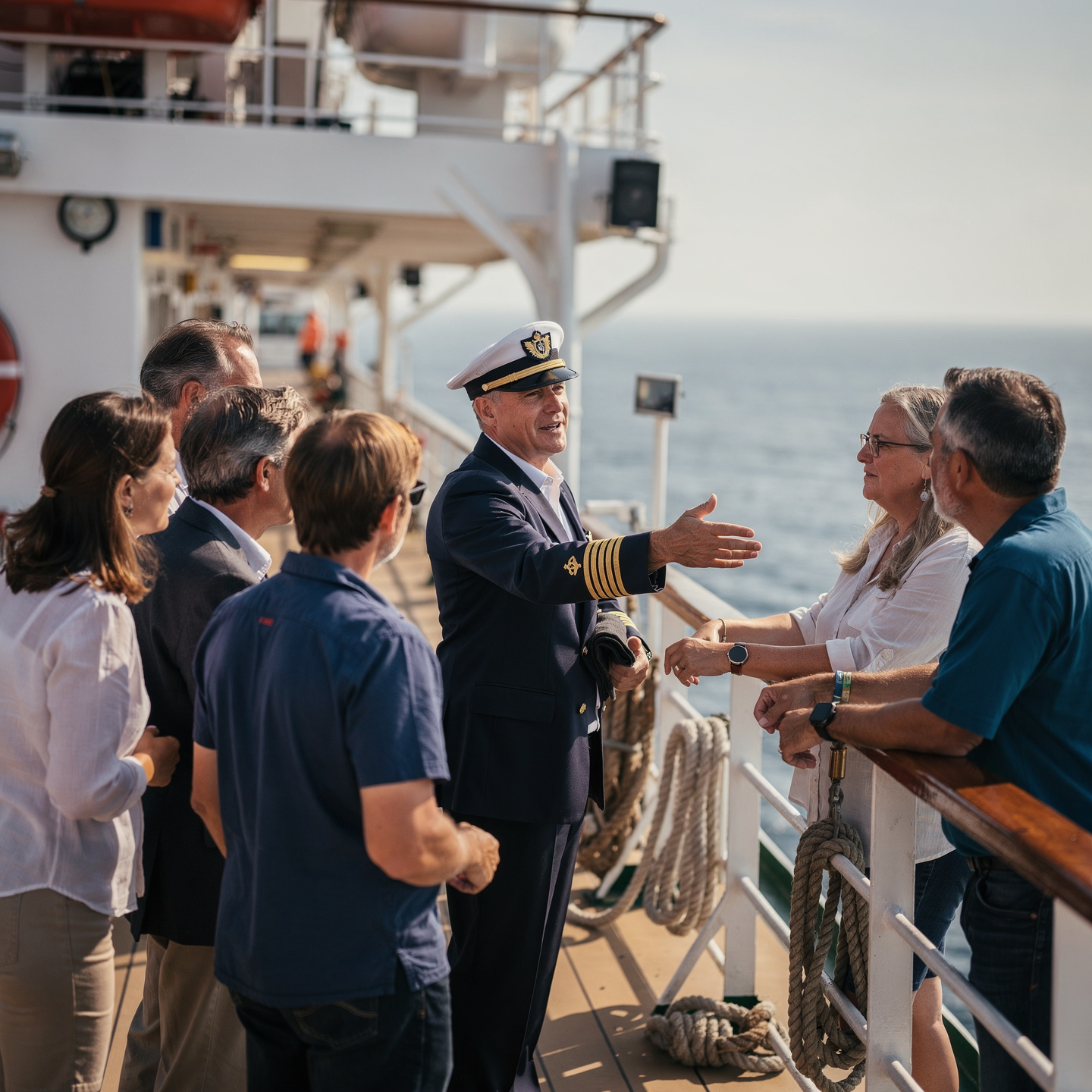
Master’s Degree in Passenger Experience on Board

Why this master’s programme?

The Master in Onboard Passenger Experience

This program prepares you to design and optimize the complete traveler experience, from planning to disembarkation. You will learn to manage high-quality services, anticipate the needs of the modern passenger, and create memorable environments. Master the latest trends in hospitality, entertainment, and technology applied to the sector, driving customer loyalty and commercial success.

Differentiating Advantages

  • Holistic Approach: experience design, crew management, and operational optimization.
  • Immersive Technology: virtual reality, digital signage, and interactive passenger solutions.
  • Sustainability and Wellbeing: eco-friendly practices and onboard health programs.
  • Experiential Marketing: strategies to communicate and enhance the value proposition.
  • Professional Networking: access to industry experts and collaboration opportunities.
Experiencia

Master’s Degree in Passenger Experience on Board

Availability: 1 in stock

Who is it aimed at?

  • Cruise and ferry industry professionals seeking to lead the transformation in passenger experience and loyalty.
  • Operations, marketing, and sales directors who want to optimize profitability through innovation and service personalization.
  • Interior designers and naval architects who aspire to create innovative and functional spaces focused on passenger well-being.
  • Technology and service providers for the maritime industry seeking to understand customer needs and offer differentiated solutions.
  • Tourism, hospitality, and marketing graduates seeking high-level specialization in the onboard experience sector.

Flexibility and applicability Immediate

Designed for working professionals: flexible online methodology, practical projects with real-world cases, and networking with industry experts.

Experiencia

Objectives and skills

Design personalized experiences that exceed passenger expectations.

“Anticipating passenger needs, adapting communication and service to their individual preferences.”

Implement innovative strategies for crisis and emergency management on board.

“Prioritize the safety of human life, the vessel and the environment, acting decisively and with leadership under pressure, following response protocols and communicating effectively with crew, passengers and authorities.”

Optimize crew-passenger interaction to foster brand loyalty.

“Implement assertive communication and conflict resolution techniques adapted to diverse cultures and passenger needs, personalizing the experience to create a positive emotional bond with the airline.”

Leading the digital transformation of onboard services for a seamless and intuitive experience.

“Implementing omnichannel, personalized, and accessible solutions, integrating AI and automation to optimize customer interaction and operational efficiency.”

Develop and manage entertainment and wellness programs that improve passenger satisfaction.

Designing personalized and engaging experiences based on passenger preferences, using data and technology to optimize the onboard entertainment and wellness offering.

Maximize the profitability of onboard services through innovation and operational efficiency.

Implement dynamic pricing and inventory optimization strategies, reducing waste and improving the customer experience through technology and personalization.

Study plan – Modules

  1. Passenger Experience Fundamentals: Definition, Strategic Importance, and Impact on Airline Loyalty and Reputation
  2. Customer Service Models: Proactive, Personalized, and Multichannel Approaches to Maximize Onboard Satisfaction
  3. Design and Implementation of Advanced Onboard Safety Protocols: From Prevention to Effective Incident Response
  4. Implementation of Internal and External Communication Systems for Efficient Passenger Service Management
  5. Complaint and Claim Management: Active Listening Techniques, Conflict Management, and Effective Resolution Under Pressure
  6. International Standards and Specific Regulations in Aviation Safety: ICAO, IATA, EASA, and Their Relationship to Passenger Experience
  7. Detailed Emergency Protocol Procedures: Evacuation, Handling Critical Situations, and Coordination with Crew and Ground Services
  8. Ongoing crew training to ensure optimal standards of care and real-time safety
  9. Use of innovative technologies to monitor and improve the passenger experience during flights
  10. Audits and performance metrics: analysis of key indicators for continuous improvement in the comprehensive management of the onboard experience
  1. Current landscape and emerging trends in technological innovation applied to onboard service: impact analysis on the passenger experience
  2. User-centered design: methodologies for creating personalized experiences in the aeronautical environment
  3. Integration of digital systems and intelligent platforms: IoT, artificial intelligence, and big data applications to optimize onboard service
  4. Biometric technologies and facial recognition: implications for passenger personalization and security during flight
  5. Advanced use of in-flight entertainment (IFE) systems: content personalization and improved passenger-crew interaction
  6. Development and application of virtual assistants and chatbots for real-time support and proactive management of customer needs
  7. Implementation of wearable technologies and connected devices for monitoring passenger comfort and well-being
  8. Big data and predictive analytics to anticipate preferences and behaviors, leading to hyper-personalized service and Memorability in the experience
  9. Advanced onboard digital communication and marketing strategies: creating memorable and differentiating moments through the use of technology

    Crew training and adaptation to new technologies: digital transformation in human resource management to maximize passenger satisfaction

    Evaluation and measurement of the passenger experience using real-time feedback technologies and sentiment analysis

    Case studies and benchmarks in technological innovation applied to the passenger experience at leading global airlines

    Challenges and ethical considerations in the implementation of disruptive technologies: data protection, privacy, and consent

    The future of the passenger experience: emerging trends such as augmented reality, virtual reality, and their application in the context of onboard service

    Strategic plan for continuous innovation in onboard service: design, implementation, and evaluation to maintain sustainable competitive advantages

  1. Innovation in the Passenger Experience: emerging trends, user-centered design, and methodologies for integrating disruptive innovation into onboard services
  2. Comprehensive Onboard Safety: international regulations (ICAO, EASA), emergency protocols, risk management, and incident prevention in the cabin and common areas
  3. Data-Driven Personalization: advanced use of Big Data, predictive analytics, and CRM to deliver individualized in-flight experiences
  4. Implementation of Advanced Technologies: augmented reality (AR), artificial intelligence (AI), IoT, and biometric sensors to enhance passenger interaction and comfort
  5. Customer Service and Support Protocols: detailed guidelines, complaint management, effective communication, and techniques for anticipating needs and exceeding expectations
  6. Onboard Space Design and Ergonomics: optimization of Seating, lighting, and acoustics to maximize comfort and well-being throughout the journey.

    Cabin Staff Management: Training, motivation, leadership, and resilience to enhance service quality and ensure a safe environment.

    Quality Monitoring and Auditing: Key performance indicators (KPIs), internal and external audits, continuous evaluation, and improvement through real-time feedback.

    Multichannel Service Integration: Digital platforms, mobile applications, and virtual assistants to facilitate communication and support before, during, and after the flight.

    Sustainability and Social Responsibility: Eco-efficient catering practices, reusable materials, and strategies to minimize the environmental footprint without compromising quality.

  1. Fundamentals of operational excellence in aviation: definition, key metrics, and their impact on the passenger experience
  2. Effective onboard crew leadership: styles, interpersonal skills, and managing multicultural teams
  3. Advanced protocols in critical incident management: early identification, situational analysis, and decision-making under pressure
  4. Assertive communication and conflict management in high-demand operational environments
  5. Designing premium onboard services: customer service methodology, personalization, and creating added value
  6. Integrating technology in airline hospitality: management systems, satisfaction monitoring, and real-time feedback
  7. Implementing safety and comfort protocols: interdepartmental coordination and international regulations
  8. Ongoing crew training and development: training programs, performance evaluation, and specific certifications
  9. Psychological management of stress and resilience in crew members: Strategies for maintaining optimal performance during critical situations

    Post-incident passenger experience assessment: impact analysis, claims management, and continuous improvement

  1. Fundamentals of Passenger Psychology: Individual and contextual variables that influence onboard behavior
  2. Perception and Expectations: Analysis of how prior experiences and the environment modulate passenger satisfaction
  3. Psychological models applied to aviation and maritime transport: Stress, anxiety, and coping mechanisms
  4. Effective Communication: Principles of verbal and nonverbal language in the context of passenger service
  5. Advanced active listening and empathy techniques to improve interaction with passengers in routine and high-stress situations
  6. Identification and management of conflicting emotions: Strategies to reduce the escalation of onboard confrontations
  7. Handling critical situations: Protocols and skills for resolving interpersonal conflicts while maintaining calm and professionalism
  8. Practical application of negotiation and mediation techniques in resolving Disputes between passengers and crew
  9. Digital and multichannel communication tools for proactive passenger support during the flight or trip

    Measuring and analyzing overall satisfaction: key indicators and effective feedback methods for continuous improvement of the onboard experience

  1. Fundamentals of Innovation in the Airline Sector: Technological Evolution and Disruptive Trends Applied to the Passenger Experience on Board
  2. Advanced Cabin Safety Protocols: Integration of Intelligent Systems and International Regulations for Risk Prevention and Management
  3. Personalizing the Passenger Experience Through Data Analysis and Artificial Intelligence Algorithms: From Facial Recognition to Anticipating Needs
  4. Designing Adaptive Spaces and Environments: Sensory Technology, Environmental Control, and Ergonomics Applied to Optimize Comfort and Well-being
  5. Implementing Omnichannel Strategies for Passenger Interaction: Use of Mobile Devices, Virtual Assistants, and Real-Time Communications
  6. Advanced Incident Management Systems and Rapid Response Protocols: Optimizing Response Times and Minimizing the Impact on the Onboard Experience
  7. Technical and Emotional Training of Cabin Crew: Training Programs Focused on Empathy, Conflict Resolution, and Digital Skills
  8. Integration of augmented and virtual reality technologies for personalized entertainment and cultural enrichment during flights
  9. Big Data and predictive analytics for continuous improvement: evaluation of key metrics and real-time passenger feedback
  10. Regulatory framework and international standards: compliance, certification, and audits focused on innovation and safety of the onboard experience
  1. Fundamentals and evolution of the onboard passenger experience: current trends and expectations
  2. Integrated passenger service strategies: effective communication protocols, expectation management, and real-time conflict resolution
  3. International safety standards and regulations for passenger service: compliance with SOLAS, ISPS, and industry-specific regulations
  4. Advanced onboard safety management: risk assessment, customized emergency procedures, and the influence of safety on passenger perception
  5. Emerging technologies for service personalization: using big data, AI, and CRM systems to anticipate and meet individual needs
  6. Designing personalized experiences: profile analysis, passenger segmentation, and creating tailored itineraries and services
  7. Onboard team training: developing soft skills, empathetic service protocols, and handling critical situations
  8. Operational Integration: Coordination between departments (cabin, catering, security) to guarantee a unified and seamless experience
  9. Passenger Satisfaction Measurement and Analysis: Quantitative and qualitative methodologies, KPIs, and proactive feedback
  10. Continuous Innovation in the Onboard Experience: Benchmarking, implementation of new technologies, and adaptation to regulatory and cultural changes
  1. Fundamentals of Premium Service Design: Conceptualization, Modeling, and Differentiation in the Aviation Industry
  2. In-depth Analysis of the Passenger’s Emotional Experience: Psychological Theories, Applied Neuroscience, and Loyalty Mechanisms
  3. Multisensory Onboard Design: Strategic Integration of Visual, Auditory, Tactile, Olfactory, and Gustatory Stimuli to Maximize Satisfaction
  4. Advanced Management of Interpersonal and Digital Communication During Travel: Interaction Protocols, Nonverbal Language, and the Use of Smart Technologies
  5. Implementation and Control of Quality Standards in Exclusive Services: Audits, KPIs, and Benchmarking with Leaders in the Luxury Sector
  6. Optimization of Spaces and Premium Ambiance: Ergonomic Design, Adaptive Lighting, and Environmental Personalization Based on Passenger Profiles
  7. Technological Innovation Applied to the Onboard Experience: AI, Augmented Reality, and Biometric Sensors to Adapt Services in Real Time
  8. Predictive Models for
  9. Anticipating passenger needs and desires: Big Data analysis and advanced customer journey mapping
  10. Effective incident management and service recovery in premium contexts: action protocols, empathy, and immediate resolution
  11. Cabin staff training in soft skills and advanced hospitality techniques: mindfulness, emotional intelligence, and handling critical situations
  12. Development of personalized loyalty programs based on unique emotional and sensory experiences on board
  13. Sustainability and corporate social responsibility strategies applied to the design of luxury services in commercial aviation
  1. Technological innovation applied to the passenger experience: analysis of disruptive trends, integration of artificial intelligence and big data to anticipate needs and optimize onboard services
  2. Advanced management of physical and emotional security: integrated security protocols, international regulations (ICAO, IATA, EASA), and practical application in the prevention and management of onboard incidents
  3. Real-time service personalization: implementation of CRM systems adapted to the airline industry, dynamic passenger segmentation, and design of unique experiences based on individual profiles and preferences
  4. Strategic leadership in multidisciplinary teams: development of skills to manage the cultural and functional diversity of the cabin crew, motivation techniques under pressure, and efficient conflict resolution
  5. Open and collaborative innovation models: alliances with technology providers and business partners to co-create passenger-centric solutions, fostering an environment of continuous improvement
  6. Comprehensive risk assessment in the passenger experience: quantitative analysis and qualitative assessment of operational and commercial risks that impact traveler perception and loyalty.

    Implementation of immersive onboard technologies: augmented and virtual reality for entertainment, orientation, and crew training, focused on improving passenger interaction and satisfaction.

    Design and management of emotional safety protocols: early detection of stress and anxiety in passengers, emotional intelligence training for crew, and effective communication strategies in critical situations.

    Optimization of operational processes for a frictionless experience: analysis and redesign of internal workflows, integration of automation, and strategic use of real-time passenger feedback.

    Evaluation and leadership in onboard sustainability: implementation of eco-efficient policies, impact on passenger perception, and brand positioning through responsible and committed practices.

  1. Fundamentals and methodology of the Master’s thesis: objectives, scope, and evaluation criteria
  2. Advanced conceptual framework on the passenger experience on board: theories, models, and global trends
  3. Comprehensive design applied to the maritime environment: ergonomics, spatiality, and passenger flow
  4. Technological innovation strategies: implementation of IoT systems, artificial intelligence, and augmented reality for personalized travel
  5. Data analysis and big data: tools for collecting and using real-time information for continuous improvement
  6. Multichannel management and communication: integration of digital platforms, mobile apps, and virtual assistants to optimize passenger interaction
  7. Development of sensory and emotional experiences: design of environments, lighting, sound, and multidimensional comfort
  8. Optimization of operational and logistical processes: alignment between passenger experience and operational efficiency
  9. International regulations and quality standards for Onboard service provision: compliance and certification

    Strategic planning and innovation roadmap: phases, resources, stakeholders, and KPIs to measure the impact of implemented improvements

    Risk assessment and crisis management: protocols to ensure the safety and continuity of the experience

    Validation and testing methodologies: prototyping techniques, simulations, and qualitative/quantitative feedback

    Technical presentation and executive communication of projects: report writing, pitches, and presentations before a panel

    Case studies and benchmarking: detailed analysis of successful and unsuccessful projects in optimizing the passenger experience

    Ethical aspects and sustainability: social responsibility, environmental impact, and the overall well-being of passengers and crew

Career prospects

“`html

  • Passenger Experience Manager: Design and management of entertainment programs, comfort, and personalized onboard services.
  • Onboard Customer Relations Manager: High-level customer service, incident resolution, and passenger loyalty.
  • Interior and Environment Design Specialist: Creation of attractive and functional spaces that enhance the passenger experience.
  • Customer Experience Consultant in the Transportation Sector: Advising cruise lines, airlines, and train companies to optimize passenger satisfaction.
  • Onboard Marketing and Communications Manager: Development of strategies to promote onboard services and the overall experience.
  • Onboard Events and Activities Manager: Planning and coordination of shows, workshops, and events to enrich the passenger experience. passenger.
  • Passenger Data and Trends Analyst: Research and analysis of data to understand passenger needs and preferences.
  • Head of Innovation and New Onboard Technologies: Implementation of technological solutions to improve the passenger experience (virtual reality, artificial intelligence, etc.).

“`

Entry requirements

Academic/professional profile:

Bachelor’s degree in Nautical Science/Maritime Transport, Naval/Marine Engineering or a related qualification; or proven professional experience on the bridge/in operations.

Language proficiency:

Functional Maritime English (SMCP) recommended for simulations and technical materials.

Documentation:

Updated CV, copy of qualification or seaman’s book, national ID/passport, motivation letter.

Technical requirements (for online):

Device with camera/microphone, stable internet connection, monitor ≥ 24” recommended for ECDIS/Radar-ARPA.

Admissions process and dates

Online
application

(form + documents).

Academic review and interview

Admissions decision

Admissions decision

(+ scholarship offer if applicable).

Place reservation

(deposit) and enrolment.

Induction

(access to the virtual campus, calendars, simulator guides).

Scholarships and financial support

  • Design memorable experiences: Master the techniques to create unique and personalized moments for each passenger.
  • Optimize customer satisfaction: Learn to measure and improve the quality of service on board, boosting customer loyalty.
  • Lead innovation: Explore the latest trends in technology, entertainment, and well-being to transform the passenger experience.
  • Apply agile methodologies: Develop continuous improvement projects with a focus on efficiency and adaptability.
  • Connect with industry experts: Participate in workshops and seminars with renowned professionals and expand your network.
Boost your career in the transportation sector and Become a leader in creating exceptional passenger experiences.

Testimonials

Frequently asked questions

To improve the passenger experience on board transport such as airplanes, trains or cruise ships.

Yes. The itinerary includes ECDIS/Radar-ARPA/BRM with harbor, ocean, fog, storm, and SAR scenarios.

Online with live sessions; hybrid option for simulator/practical placements through agreements.

Recommended functional SMCP. We offer support materials for standard phraseology.

Yes, with a relevant degree or experience in maritime/port operations. The admissions interview will confirm suitability.

Optional (3–6 months) through Companies & Collaborations and the Alumni Network.

Simulator practice (rubrics), defeat plans, SOPs, checklists, micro-tests and applied TFM.

A degree from Navalis Magna University + operational portfolio (tracks, SOPs, reports and KPIs) useful for audits and employment.

  1. Fundamentals and methodology of the Master’s thesis: objectives, scope, and evaluation criteria
  2. Advanced conceptual framework on the passenger experience on board: theories, models, and global trends
  3. Comprehensive design applied to the maritime environment: ergonomics, spatiality, and passenger flow
  4. Technological innovation strategies: implementation of IoT systems, artificial intelligence, and augmented reality for personalized travel
  5. Data analysis and big data: tools for collecting and using real-time information for continuous improvement
  6. Multichannel management and communication: integration of digital platforms, mobile apps, and virtual assistants to optimize passenger interaction
  7. Development of sensory and emotional experiences: design of environments, lighting, sound, and multidimensional comfort
  8. Optimization of operational and logistical processes: alignment between passenger experience and operational efficiency
  9. International regulations and quality standards for Onboard service provision: compliance and certification

    Strategic planning and innovation roadmap: phases, resources, stakeholders, and KPIs to measure the impact of implemented improvements

    Risk assessment and crisis management: protocols to ensure the safety and continuity of the experience

    Validation and testing methodologies: prototyping techniques, simulations, and qualitative/quantitative feedback

    Technical presentation and executive communication of projects: report writing, pitches, and presentations before a panel

    Case studies and benchmarking: detailed analysis of successful and unsuccessful projects in optimizing the passenger experience

    Ethical aspects and sustainability: social responsibility, environmental impact, and the overall well-being of passengers and crew

Request information

  1. Complete the Application Form.

  2. Attach your CV/degree certificate (if you have it to hand).

  3. Indicate your preferred cohort (January/May/September) and whether you would like the hybrid option with simulator sessions.

    An academic advisor will contact you within 24–48 hours to guide you through the admission process, scholarships, and compatibility with your professional schedule.

Please enable JavaScript in your browser to complete this form.
Click or drag a file to this area to upload.

Faculty

0
    0
    Tu carrito
    Tu carrito esta vacíoRegresar a la tienda
    Scroll to Top


