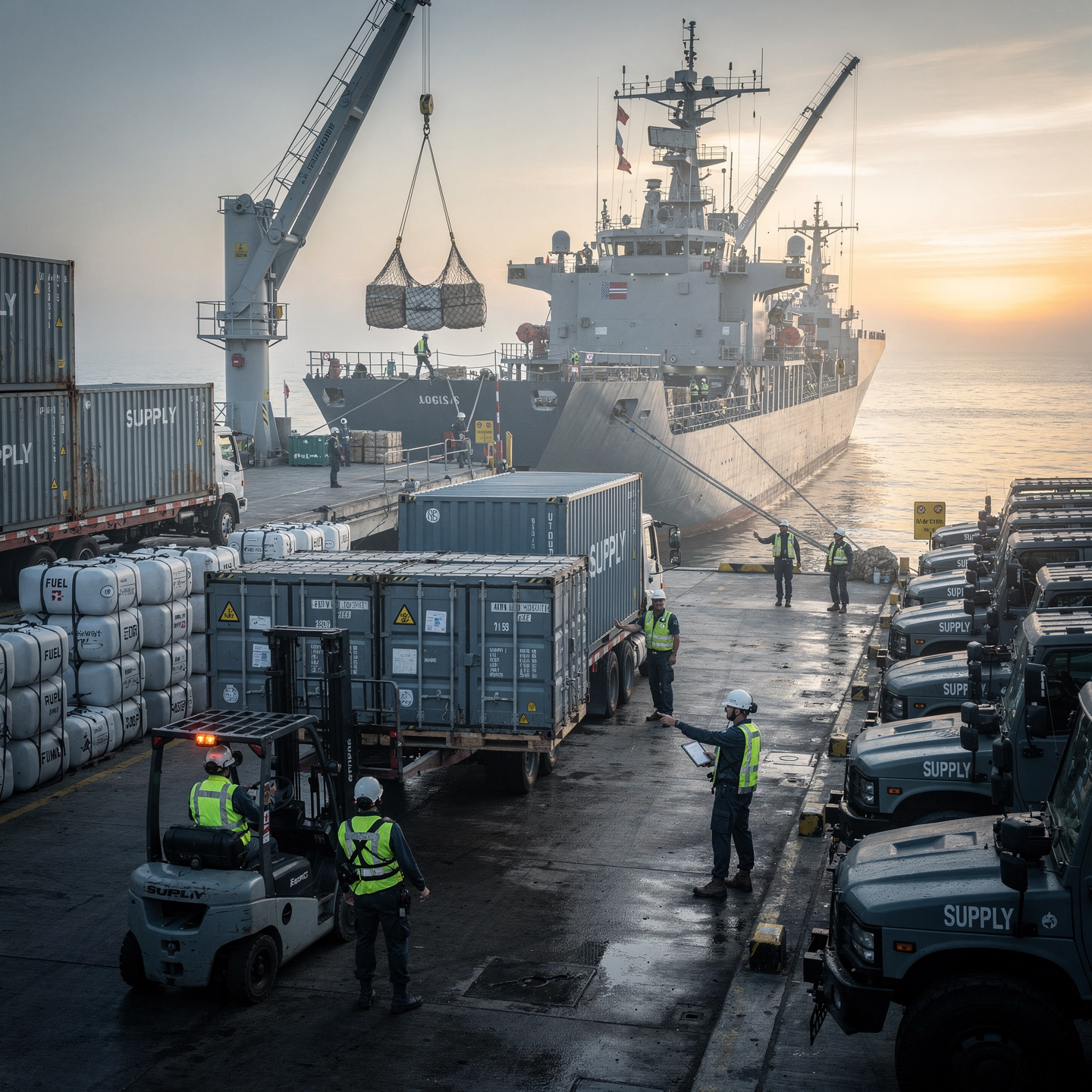
Master’s Degree in Naval Military Logistics

Why this master’s programme?

The Master’s Degree in Naval Military Logistics

This program offers comprehensive training in supply chain management and logistical support within the demanding environment of naval operations. It equips professionals to meet the unique challenges of military logistics at sea, from resource deployment to maintaining fleet operational readiness. Master supply, transport, and storage strategies tailored to the specific needs of the Navy, optimizing efficiency and reducing costs in a highly complex context.

Master’s Degree in Naval Military Logistics

Differentiating Advantages

  • Advanced Simulations: Plan and execute complex logistics operations in realistic scenarios.
  • Crisis Management: Learn to respond effectively to emergencies and unforeseen situations at sea.
  • Cutting-Edge Technologies: Familiarize yourself with the latest tools and information systems for logistics management.
  • Subject Matter Experts: Receive instruction from professionals with extensive experience in naval military logistics.
  • Professional Networking: Connect with other industry leaders and expand your network.
LogĂ­stica

Master’s Degree in Naval Military Logistics

Availability: 1 in stock

Who is it aimed at?

  • Navy and Armed Forces officers seeking specialization in the logistics management of complex naval operations.
  • Maritime and logistics industry professionals who wish to understand and adapt their knowledge to the naval military environment.
  • Engineers, economists, and lawyers interested in the specifics of the supply chain in the naval defense sector.
  • Managers and consultants seeking to expand their expertise in strategic planning and resource optimization in the naval military sector.
  • Graduates in related fields aspiring to a professional career in naval logistics, whether in the public or private sector.

Flexibility for your Career

Designed for working professionals: online format, 24/7 access to materials, and personalized tutoring.

LogĂ­stica

Objectives and skills

Strategically managing naval supply chains:

Optimize the efficiency, resilience, and sustainability of the supply chain by integrating emerging technologies and managing geopolitical and environmental risks.

Optimizing resource management in naval logistics operations:

Implement an optimized inventory management system for efficient and safe cargo stowage, considering weight, dimensions, and type of merchandise to minimize risks and unloading times.

Managing supply and transport operations in complex maritime environments:

Optimize maritime route planning by considering weather factors, currents, port regulations, and draft restrictions to minimize risks and transit times.

Lead logistical planning in support of naval deployments and missions:

To efficiently manage the naval supply chain, optimizing resources and minimizing risks during the execution of operations.

Develop and implement maintenance and technical support strategies for naval assets:

“Efficiently manage the planning of preventive and corrective maintenance, optimizing the availability and reliability of the equipment.”

Coordinate the efficient distribution of essential resources in naval operational scenarios:

Prioritize logistical support (fuel, food, ammunition) according to the mission, optimizing routes and transit times with analysis of weather risks and threats.

Study plan – Modules

  1. Strategic Maritime Scenario Analysis: Assessment of threats and opportunities in naval operational areas, maritime intelligence, and tactical reconnaissance.
  2. Naval Employment Doctrines: Fundamentals of modern naval warfare, coordination among surface, subsurface, air, and amphibious force units.
  3. Operational Deployment: Planning and execution of tactical and strategic movements in dynamic and multidimensional environments.
  4. Advanced Naval Logistics Management: Procurement, storage, distribution, and maintenance of resources in extended maritime theaters.
  5. Optimization of Naval Supply Chains: Integration of platforms, logistics nodes, and technical support in prolonged operations.
  6. Systems and Technologies for Logistics Control: Automation, real-time monitoring using artificial intelligence and big data applied to the fleet.
  7. Planning and Coordination of Military Maritime Transport: Selection of Route planning, risk assessment, and logistical security under operational pressure.

    Joint and combined operations: logistical-tactical interoperability between naval, land, and air forces in multinational scenarios.

    Strategies for support and sustainability in hostile environments and extreme environmental conditions.

    Performance evaluation and post-operational analysis: implementation of continuous improvements in naval deployment processes and combat logistics.

  1. Fundamentals and principles of naval military logistics: structure, roles, and responsibilities in operational support
  2. Advanced methodologies for strategic supply chain planning in multidimensional maritime environments
  3. Mathematical models and optimization algorithms applied to the efficient allocation of resources in naval fleets
  4. Integration of logistics management systems and information technologies for real-time tracking of inventories and mobile assets
  5. Risk and contingency assessment in naval operations: vulnerability analysis, supply chain impact, and mitigation plans
  6. Green logistics and sustainability in maritime operations: emissions reduction, waste management, and energy efficiency in logistical support
  7. Protocols for inter-arms and multinational coordination in joint and coalition operations
  8. Dynamics of storage, transport, and distribution of naval military equipment: stock management, rotation, and control of Expirations
  9. Advanced simulation tools and decision support systems for complex operational scenarios

    Case studies of logistics optimization in international naval deployments and peacekeeping operations

  1. Fundamentals of Naval Military Logistics: Structure, Functions, and Principles Applied in Highly Complex Maritime Operations
  2. Comprehensive Naval Supply Chain Management: Acquisition, Storage, Distribution, and Real-Time Feedback
  3. Strategic and Tactical Planning: Scenario Analysis, Risk Assessment, and Development of Operational Plans Under Dynamic and Hostile Conditions
  4. Advanced Logistics Procurement and Maintenance Models: Equipment Lifecycles and Predictive Repair Management on Naval Platforms
  5. Joint and Multinational Operations: Inter-Arm Coordination and Interoperability in Coalition and Global Deployment Contexts
  6. Resource Optimization: Quantitative Techniques Applied to the Management of Fleets, Fuels, and Critical Spare Parts in Extreme Marine Environments
  7. Logistics Information Systems and Digital Leadership: Integration of C4ISR Platforms, Big Data, and Intelligence Analysis for Decision-Making Strategic Logistics
  8. Logistics in hostile and contingency environments: resilience strategies, emergency logistics, and rapid recovery of operational capabilities

    Multimodal transport and distribution in naval operations: deployment and resupply at sea, use of auxiliary vessels, and transfer under adverse conditions

    Evaluation and control of logistical efficiency using specific metrics: key indicators, operational audits, and continuous improvement process in fleet support

  1. Fundamentals of Naval Logistics Support: Definition, Scope, and Strategic Relevance in Maritime Defense Operations
  2. Supply Planning and Management in Maritime Theaters: Analysis of Material Flows, Operational Cadences, and the Multisectoral Supply Chain
  3. Inventory and Storage Optimization under Maritime Conditions: Classification Techniques, Stock Control, and Ensuring Material Integrity in Hostile Environments
  4. Predictive, Preventive, and Corrective Maintenance of Naval Units: Processes, Methodologies, and Application of Advanced Technologies in Fleet Repair and Conservation
  5. Integration of Logistics Intelligence for Decision-Making: Information Systems, Risk Analysis, and Predictive Support Applied to Naval Operations
  6. Logistics Interoperability between Naval Forces and Allies: Standards, Protocols, Common Management Systems, and Challenges for Multinational Cooperation
  7. Tactical and Strategic Logistics in Complex Maritime Environments:
  8. Adaptation to geographic, meteorological, and dynamic operational variables
  9. Logistics Human Resource Management in the Navy: Selection, Continuing Education, Specialized Roles, and Leadership in Operational Contexts
  10. Logistics Command and Control Chain: Interdepartmental Coordination, Reporting Protocols, and Secure Real-Time Communication
  11. Analysis of Case Studies and Advanced Simulations: Contingency Response, Rapid Mobilization, and Crisis Management in Support of Naval Operations
  1. Introduction to Automation in the Naval Supply Chain: Concepts, Strategic Importance, and Applications in the Naval Military Context
  2. Technological Architecture Applied to Automated Naval Logistics: Integration of ERP, SCADA, and Warehouse Management Systems (WMS)
  3. Communication and Data Transfer Protocols in Naval Environments: Military Standards, Network Security, and Encryption for Secure Transmission
  4. Advanced Robotics and Autonomous Vehicles in Naval Logistics Operations: Deployment of Drones, Automated Cargo Vehicles, and Unmanned Inspection Systems
  5. Artificial Intelligence and Machine Learning in Optimizing Material Flow and Predictive Capacity for Naval Logistics Demand
  6. Implementation of Blockchain Technologies for Traceability, Transparency, and Security in the Naval Military Logistics Supply Chain
  7. Real-Time Tracking and Location (RTLS) Systems Using IoT and Smart Sensors: Inventory Optimization and Strategic Asset Control
  8. Automation in the management of naval warehouses and ports: Automated Sorting, Storage, and Retrieval (AS/RS) systems
  9. Impact of automation on reducing logistics times, operating costs, and improving response capacity to naval contingencies
  10. Case studies and analysis of the implementation of disruptive technologies in elite naval forces: lessons learned and recommendations for operational superiority
  11. Assessment of cybersecurity risks and vulnerabilities in automated naval supply chain systems: mitigation and contingency methods
  12. International regulations and standards applied to military logistics automation: compliance, certifications, and technical audits
  13. Sustainable development and energy efficiency in automated technologies for naval logistics: reducing environmental footprint and increasing resilience
  14. Training and management of human talent in automated environments: advanced skills, technological adaptability, and predictive maintenance protocols
  15. Future of automation in naval military logistics: emerging trends, continuous innovation, and its impact on global naval strategic superiority
  1. Fundamentals of the Naval Supply Chain: Structure, Actors, and Logistics Flows in the Military Context
  2. Optimization Models: Linear, Integer, and Dynamic Programming Applied to Naval Logistics
  3. Integration of Advanced Technologies: Internet of Things (IoT), Blockchain, and Cyber-Physical Systems in Logistics Management
  4. Strategic Planning: Risk Analysis, Operational Capabilities, and Demand Forecasting in Maritime Scenarios
  5. Resource Management and Coordination: Stock, Mobile Warehouses, Distribution, and Transportation in Complex Naval Environments
  6. Automation and Robotics: Use of Unmanned Vehicles (UUVs, USVs) and Autonomous Systems in the Military Supply Chain
  7. Optimization of Logistics Maintenance: Predictive and Proactive Maintenance Methodologies for Critical Naval Assets
  8. Logistics Information Systems: ERP, TMS and interoperable platforms for real-time management of naval logistics operations

    Advanced data analytics: Big Data and machine learning for continuous improvement in logistics efficiency and resilience

    Security and resilience in the supply chain: protection against cyber threats, sabotage, and contingencies in highly complex naval operations

  1. Fundamentals of Strategic Integration in Naval Logistics: Key Concepts, Alignment with Operational Objectives, and Military Capabilities
  2. Advanced Logistics Planning Models for High-Scale Operations: Multi-Level Planning, Contingency Scenarios, and Critical Resource Allocation
  3. Technological Architecture Applied to Naval Military Logistics: Automated Logistics Management Systems, Integrated Digital Platforms, and Shared Databases
  4. Logistics Infrastructure and Support Systems in Complex Maritime Environments: Logistics Nodes, Expeditionary Distribution Centers, and Theater Maintenance
  5. Integration of C4ISR (Command, Control, Communications, Computers, Intelligence, Surveillance, and Reconnaissance) Systems in the Naval Logistics Chain to Improve Real-Time Decision Making
  6. Big Data and Predictive Analytics in Naval Logistics: Applications in Anticipating Needs, Optimizing Routes, and Managing Inventories in High-Demand Operations
  7. Automation and Robotics in Handling and naval material transport: emerging technologies in warehousing, loading, and unloading in hostile areas

    Resilient naval supply chain: risk assessment, vulnerability mitigation, and operational continuity under adverse conditions and asymmetric threats

    Logistics interoperability among allied naval forces: standards, protocols, and logistics information exchange systems in multilateral exercises and coalitions

    Integration of alternative and sustainable energies in naval logistics: hybrid systems, energy efficiency, and reducing the operational footprint in prolonged deployments

    Advanced naval asset lifecycle management: predictive maintenance, logistics technical support, and technology reuse in a military context

    Simulation and training on digital platforms for naval logistics coordination: virtual scenarios, integrated exercises, and real-time logistics performance evaluation

    Cybersecurity applied to naval logistics infrastructure: protection of critical data, defense against cyberattacks, and protocols Contingency in logistics networks

  8. International and national regulations governing naval military logistics: compliance, regulatory adaptation, and alignment with defense and maritime security policies
  9. Case studies and best practices in the strategic and technological integration of naval logistics in highly complex operations: lessons learned and innovative proposals for the future
  1. Fundamentals of Naval Logistics: Concepts, Objectives, and Their Integration into Strategic Military Operations
  2. Advanced Inventory Management Models: ABC/XYZ Classification Techniques, Turnover Analysis, and Forecasting Based on Operational Demand
  3. Optimizing the Military Supply Chain: Planning, Interdepartmental Coordination, and Synchronization with Combat Units
  4. Automated Systems for Resource Control: Implementation of ERPs and Platforms Specific to Naval Logistics with a Focus on Traceability and Auditing
  5. Management of Critical and Perishable Materials: Storage, Preventive Maintenance, and Protocols to Ensure Availability in High-Demand Scenarios
  6. Real-Time Stock Control: IoT and RFID Sensors and Their Integration in Maritime Environments to Minimize Losses and Human Error
  7. Logistics Risk Analysis: Identification, Quantification, and Mitigation of Vulnerabilities in the Naval Supply Chain
  8. Supply and Refueling Procedures at Sea: Planning Logistics, standards regulation, and coordination with support platforms

    Naval reverse logistics: efficient management of returns, maintenance, and repair of equipment in an operational context

    Evaluation and continuous improvement through logistics KPIs: performance indicators, benchmarking, and real-time audits for resource optimization

    Emerging technologies applied to naval military logistics: artificial intelligence, blockchain for asset tracking, and operational digital twins

    Contingency planning and operational resilience: preparedness for contingencies, stockouts, and sabotage in hostile environments

    Comprehensive document management: applicable ISO standards, document traceability, and digital support for military certifications and audits

    Methods and tools for budgetary control in naval logistics: cost analysis, efficient allocation, and variance control

    Inter-institutional and multinational coordination in joint operations: protocols for logistics interoperability and supply chain multinational

  1. Fundamentals of Naval Military Logistics: Principles, Mission, and Organizational Structure
  2. Strategic Supply Chain Analysis: Identifying Vulnerabilities and Strengths in Maritime Environments
  3. Advanced Supply Chain Design and Planning for Naval Operations in Highly Complex Scenarios
  4. Mathematical Models and Optimization Algorithms: Linear, Integer, and Heuristic Programming for Logistics Management
  5. Application of Geographic Information Systems (GIS) and Spatial Analysis in Naval Logistics Planning
  6. Integration of Emerging Technologies: IoT, Blockchain, and Digital Twins in Maritime Logistics Traceability and Security
  7. Inventory Management in Dynamic Environments: Advanced Forecasting, Storage, and Distribution Techniques on Maritime Platforms
  8. Tactical Logistics and Support in Joint Operations: Multi-Sector Synchronization and Multinational Supply Chains
  9. Risk and Contingency Assessment in the Supply Chain: Mitigation of Physical, Cyber, and Climate Threats
  10. Key Performance Indicators (KPIs) and Dashboards: Real-Time Monitoring and Data-Driven Decision Making for Naval Logistics
  11. International Regulations and Military Standards Applicable to Strategic Maritime Logistics
  12. Simulation and Scenario Analysis: Tools for Predicting Operational Impacts and Optimizing Logistics Resources
  13. Sustainability Management in Military Supply Chains: Reducing Environmental Footprint and Efficient Resource Use
  14. Training and Leadership in Naval Logistics: Developing Multidisciplinary Teams and a Culture of Continuous Improvement
  15. Real-World Case Studies: Practical Application of Logistics Optimization Strategies in Complex Naval Operations
  1. Introduction to Naval Military Logistics: Fundamentals, Historical Evolution, and Strategic Relevance in Highly Complex Maritime Operations
  2. Analysis of the Integrated Naval Logistics Chain: Planning, Procurement, Warehousing, Distribution, and Feedback in Operational Naval Environments
  3. Advanced Inventory Management Models in Military Environments: ABC Classification Systems, EOQ (Economic Order Quantity) Analysis, and Just-In-Time Techniques Applied to Naval Logistics
  4. Planning and Optimization of Military Maritime Transport: Route Selection, Vessel Types, Cargo Management, and Risk Mitigation in Hostile Environments
  5. Logistics for the Maintenance and Repair of Naval Units: Spare Parts Management, Coordination of Maintenance Centers, and Application of Predictive and Proactive Methodologies
  6. Integrated Supply Chain Management in Multinational Contexts: Interoperability, standards, and protocols for logistical cooperation among allied naval forces

    Disruptive technologies in naval logistics: Application of artificial intelligence, big data, blockchain, and autonomous systems for the continuous improvement of logistics operations

    Strategic and tactical planning for logistics operations at sea: Crisis scenarios, rapid response, and adaptation to unpredictable variables in combat and support operations

    Security and protection in naval logistics: Analysis of asymmetric threats, cybersecurity, access control, and countermeasures against sabotage and espionage

    Evaluation and monitoring of logistics performance: Key performance indicators (KPIs), internal audits, and continuous improvement techniques aligned with international military standards

    Management and leadership in naval logistics teams: Human resource management, continuous training, crisis management, and capacity building for high-pressure environments pressure

  7. International regulations and standards applied to naval military logistics: legal compliance, maritime treaties, and specific regulations for logistics operations in conflict zones
  8. Design and development of the Master’s Thesis: scientific methodology applied to naval logistics, integration of multidisciplinary knowledge, and presentation of innovative strategies for operational excellence in highly complex environments

Career prospects

“`html

  • Naval Logistics Officer: Management of supplies, transportation, and storage of resources in naval military environments.
  • Logistics Section Chief: Planning and coordination of logistics operations at the tactical and strategic levels.
  • Military Supply Chain Analyst: Optimization of processes and improvement of efficiency in resource distribution.
  • Naval Logistics Project Manager: Direction and supervision of projects related to naval logistics and transportation.
  • Military Logistics Consultant: Advising government and private organizations on logistics and defense matters.
  • Naval Logistics Researcher: Development of new technologies and strategies to improve efficiency and security in military logistics.
  • Military Logistics Instructor/Trainer: Imparting knowledge and skills to future logistics professionals Naval.
  • Procurement and Contracting Manager: managing the purchase of goods and services necessary for naval logistics operations.

“`

Entry requirements

Academic/professional profile:

Bachelor’s degree in Nautical Science/Maritime Transport, Naval/Marine Engineering or a related qualification; or proven professional experience on the bridge/in operations.

Language proficiency:

Functional Maritime English (SMCP) recommended for simulations and technical materials.

Documentation:

Updated CV, copy of qualification or seaman’s book, national ID/passport, motivation letter.

Technical requirements (for online):

Device with camera/microphone, stable internet connection, monitor ≥ 24” recommended for ECDIS/Radar-ARPA.

Admissions process and dates

Online
application

(form + documents).

Academic review and interview

Admissions decision

Admissions decision

(+ scholarship offer if applicable).

Place reservation

(deposit) and enrolment.

Induction

(access to the virtual campus, calendars, simulator guides).

Scholarships and financial support

  • Strategy and Operations: Master logistical planning and execution in complex naval environments, from supply management to strategic deployment.
  • Cutting-Edge Technology: Explore the latest innovations in information systems, simulation, and logistics optimization applied to the naval military field.
  • Leadership and Management: Develop leadership and team management skills in demanding contexts, adapting to the specific dynamics of the naval environment.
  • Drills and Case Studies: Participate in realistic simulations and analyze case studies to consolidate your knowledge and improve your decision-making skills.
  • Safety and Regulations: Delve into safety protocols, maritime legislation, and specific regulations for naval military logistics.
Boost your career and Become a leader in naval military logistics, ready to face the challenges of the 21st century.

Testimonials

Frequently asked questions

Yes. The itinerary includes ECDIS/Radar-ARPA/BRM with harbor, ocean, fog, storm, and SAR scenarios.

Online with live sessions; hybrid option for simulator/practical placements through agreements.

Recommended functional SMCP. We offer support materials for standard phraseology.

Yes, with a relevant degree or experience in maritime/port operations. The admissions interview will confirm suitability.

Optional (3–6 months) through Companies & Collaborations and the Alumni Network.

Simulator practice (rubrics), defeat plans, SOPs, checklists, micro-tests and applied TFM.

A degree from Navalis Magna University + operational portfolio (tracks, SOPs, reports and KPIs) useful for audits and employment.

  1. Introduction to Naval Military Logistics: Fundamentals, Historical Evolution, and Strategic Relevance in Highly Complex Maritime Operations
  2. Analysis of the Integrated Naval Logistics Chain: Planning, Procurement, Warehousing, Distribution, and Feedback in Operational Naval Environments
  3. Advanced Inventory Management Models in Military Environments: ABC Classification Systems, EOQ (Economic Order Quantity) Analysis, and Just-In-Time Techniques Applied to Naval Logistics
  4. Planning and Optimization of Military Maritime Transport: Route Selection, Vessel Types, Cargo Management, and Risk Mitigation in Hostile Environments
  5. Logistics for the Maintenance and Repair of Naval Units: Spare Parts Management, Coordination of Maintenance Centers, and Application of Predictive and Proactive Methodologies
  6. Integrated Supply Chain Management in Multinational Contexts: Interoperability, standards, and protocols for logistical cooperation among allied naval forces

    Disruptive technologies in naval logistics: Application of artificial intelligence, big data, blockchain, and autonomous systems for the continuous improvement of logistics operations

    Strategic and tactical planning for logistics operations at sea: Crisis scenarios, rapid response, and adaptation to unpredictable variables in combat and support operations

    Security and protection in naval logistics: Analysis of asymmetric threats, cybersecurity, access control, and countermeasures against sabotage and espionage

    Evaluation and monitoring of logistics performance: Key performance indicators (KPIs), internal audits, and continuous improvement techniques aligned with international military standards

    Management and leadership in naval logistics teams: Human resource management, continuous training, crisis management, and capacity building for high-pressure environments pressure

  7. International regulations and standards applied to naval military logistics: legal compliance, maritime treaties, and specific regulations for logistics operations in conflict zones
  8. Design and development of the Master’s Thesis: scientific methodology applied to naval logistics, integration of multidisciplinary knowledge, and presentation of innovative strategies for operational excellence in highly complex environments

Request information

  1. Complete the Application Form.

  2. Attach your CV/degree certificate (if you have it to hand).

  3. Indicate your preferred cohort (January/May/September) and whether you would like the hybrid option with simulator sessions.

    An academic advisor will contact you within 24–48 hours to guide you through the admission process, scholarships, and compatibility with your professional schedule.

Please enable JavaScript in your browser to complete this form.
Click or drag a file to this area to upload.

Faculty

0
    0
    Tu carrito
    Tu carrito esta vacĂ­oRegresar a la tienda
    Scroll to Top


