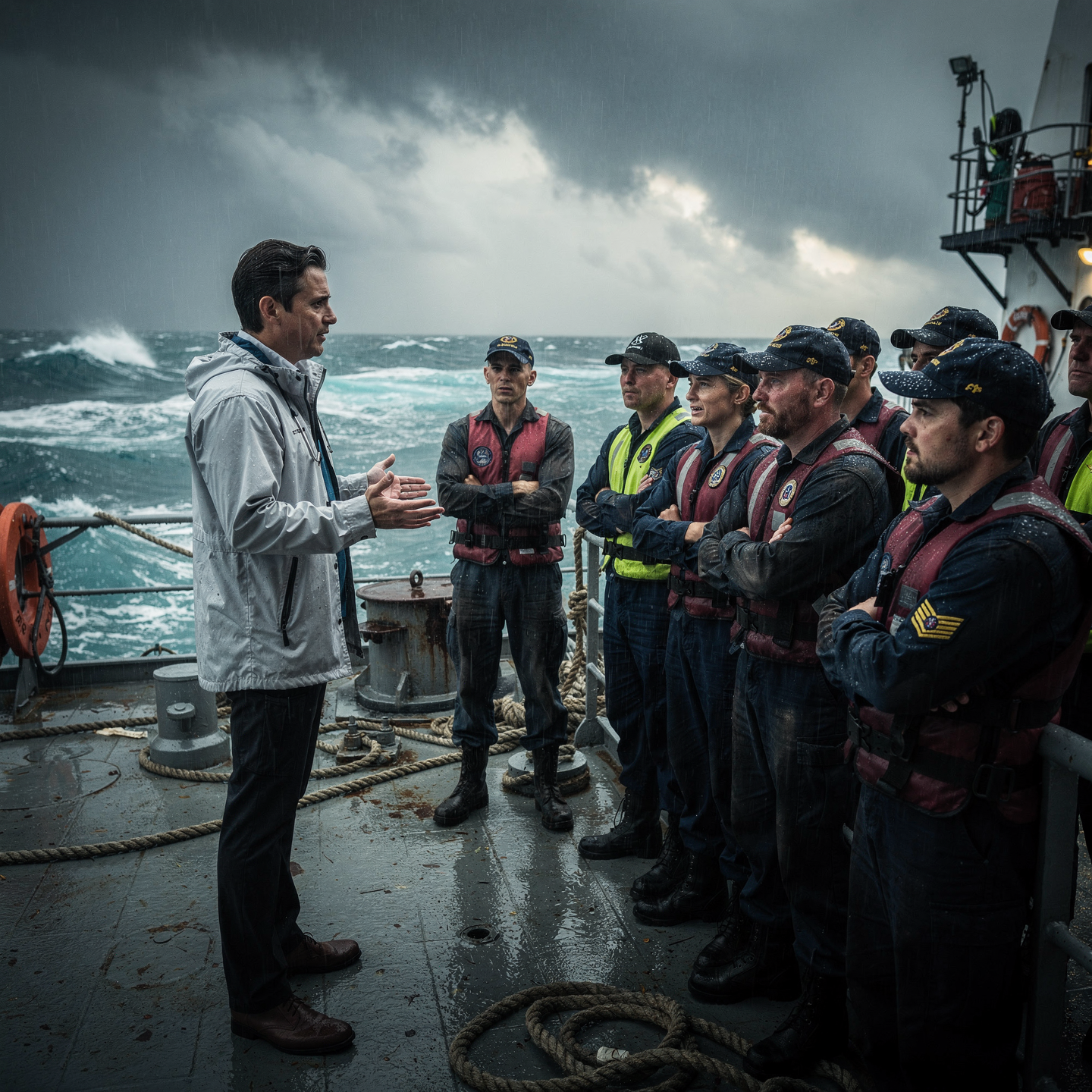
Master’s Degree in Seaman’s Psychology and Life at Sea

Why this master’s programme?

The Master’s in Seafarer Psychology and Life at Sea

This program offers you an in-depth exploration of the unique challenges faced by maritime professionals. Learn to understand and address mental well-being, isolation, stress, and cultural adaptation in global maritime environments. This program will provide you with the tools and knowledge necessary to support the psychological health of seafarers and promote a positive and safe working environment.

Differential Advantages

  • Specialized Approach: Psychology applied to the maritime context, covering social, emotional, and cognitive aspects.
  • Practical Tools: Development of communication, conflict resolution, and stress management skills specific to life at sea.
  • Intervention and Support: Strategies for suicide prevention, addiction management, and mental health support in crisis situations.
  • Global Perspective: Analysis of cultural differences and the challenges of intercultural communication in maritime environments.
  • Networking: Opportunities to connect with maritime professionals and psychology experts.
PsicologĂ­a

Master’s Degree in Seaman’s Psychology and Life at Sea

Availability: 1 in stock

Who is it aimed at?

  • Psychologists and therapists interested in specializing in the mental health of seafarers and their unique challenges at sea.
  • Merchant marine officers and human resources personnel seeking to improve the well-being and performance of the crew on board.
  • Occupational health professionals wishing to expand their knowledge of the psychosocial factors affecting maritime workers.
  • Researchers and academics focused on maritime psychology and human adaptation to extreme and isolated environments.
  • Family members and loved ones of seafarers seeking a better understanding of the emotional and psychological challenges of life at sea.

Flexibility and Practical Application
Adapted for working professionals: accessible online content, case studies, and tools for immediate intervention in maritime life.

PsicologĂ­a

Objectives and skills

Promoting the mental health and overall well-being of sailors:

Promoting resilience and coping strategies in the face of stress and loneliness, providing tools for effective communication and conflict management on board.

Effectively managing stress and isolation in maritime environments:

“Implement personal wellness routines, encourage active communication with the crew, and utilize available remote support resources.”

Implement crisis prevention and intervention programs on board:

Effectively manage emergency situations (fires, breakdowns, man overboard) by applying safety procedures and coordinating the crew’s response.

Optimizing the adaptation and psychological performance of sailors in extreme conditions:

“Implementing stress control and emotional management techniques, fostering resilience and team cohesion in high-pressure and isolated situations.”

Facilitating communication and group cohesion in multicultural crews:

Encourage open dialogue and active listening, implementing intercultural conflict management strategies and promoting empathy among crew members.

Developing resilient and empathetic leadership skills in challenging maritime contexts:

Efficiently manage crew fatigue and stress, promoting open communication and a collaborative work environment to maintain morale and operational safety.

Study plan – Modules

  1. Fundamentals of Emotional Management in Maritime Environments: Stress, Anxiety, and Neurophysiological Responses at Sea
  2. Emergency Psychology: Identification, Assessment, and Coping with Psychological Crises in Marine Contexts
  3. Advanced Protocols for Effective Communication in High-Stress Situations: Verbal and Nonverbal Techniques for Message Optimization
  4. Group Dynamics and Cohesion of Multiethnic and Multicultural Teams in Isolated and Confined Environments
  5. Psychological Models Applied to Resilience and the Maintenance of Emotional Well-being in Seafaring Crews
  6. Emotional Leadership Tools: Situational Emotional Intelligence for Captains and Watch Officers
  7. Onboard Psychological Intervention and Support: Practical Application of Psychological First Aid Techniques and Immediate Emotional Support
  8. Conflict Management at Sea: Mediation, Resolution, and Prevention of Interpersonal Tensions Under Pressure
  9. operational
  10. Psychosocial Impact of Prolonged Maritime Confinement on Mental Health and Mitigation Strategies
  11. Simulations and Practical Exercises Focused on Effective Communication and Emotional Management in Critical Maritime Scenarios
  12. International Standards and Recommendations for Mental Health and Emotional Management in the Shipping Industry
  13. Post-Emergency Psychological Assessment and Follow-up: Protocols for Crew Reintegration and Recovery
  14. Incorporation of Remote Psychological Support Technologies: Telepsychology and its Application at Sea
  15. Case Studies and Critical Analysis of Psychosocial Incidents in Ocean Navigation
  16. Design and Implementation of Continuing Education Programs in Seafarer Psychology and Emotional Management for All Maritime Personnel
  1. Fundamentals of Environmental Psychology in Maritime Environments: Adaptation to the Environment, Environmental Stress, and Sensory Limitations
  2. Resilience Theories Applied to Seafarers: Coping Models, Emotional Recovery, and Post-Traumatic Transformation
  3. Psychological Assessment at Sea: Diagnostic Instruments for Stress, Anxiety, and Disorders Related to Confinement and Isolation
  4. Neurobiological Mechanisms of Chronic Stress in Marine Environments: Impact on Cognitive Function and Emotional Regulation
  5. Group Dynamics and Leadership in Crews: Cohesion, Effective Communication, and Conflict Management in Confined Spaces
  6. Advanced Strategies for Psychological Well-being: Mindfulness, Relaxation Techniques, and Biofeedback for Crew Members
  7. Prevention and Management of Psychosocial Disorders in Seafarers: Depression, Adjustment Disorder, and Substance Abuse
  8. Psychological intervention protocols in maritime emergencies: psychological first aid, crisis, and collective trauma
  9. Cultural and ethnic factors in the mental health of seafarers: awareness and adaptation of interventions
  10. Implementation of comprehensive resilience and well-being programs in maritime human capital management: evaluation, monitoring, and continuous improvement
  1. Neurobiological Foundations of Emotional Management: Brain Mechanisms of Stress, Anxiety, and Affective Regulation in High-Pressure Situations
  2. Advanced Models of Effective Communication: Active Listening, Constructive Feedback, and Conflict Resolution in Multidisciplinary Maritime Teams
  3. Group Psychology and Team Dynamics: Structures, Roles, Cohesion, and Motivation in Contexts of Prolonged Isolation
  4. Preventive Psychological Intervention Techniques: Mindfulness, Resilience Training, and Cognitive-Behavioral Strategies for Seafarers
  5. Practical Application of Emotional Leadership: Crisis Management, Decision-Making Under Stress, and Promoting a Healthy Work Environment at Sea
  6. Communication Protocols in Emergency Situations: Effective Coordination, Handling Critical Information, and Reducing Human Error
  7. Assessment and Management of Burnout and Mental Fatigue: Indicators, Prevention, and Psychological Support Programs for Crews
  8. Cohesion and Trust Workshops Group dynamics: building relationships and improving collective performance in highly adverse scenarios

    Digital tools for emotional monitoring and remote communication: using apps, biofeedback, and remote psychological support systems

    Case studies and practical simulations: analyzing real incidents and developing skills for organizational resilience in extreme maritime environments

  1. Clinical and theoretical foundations of maritime occupational psychology: particularities of the work environment at sea and its impact on mental health
  2. Specific psychological assessment for crews: standardized tests, structured interviews, and continuous monitoring during extended voyages
  3. Stressors in maritime environments: isolation, confinement, climate variability, and emotional sustainability
  4. Primary prevention in onboard mental health: psychosocial protocols, early detection of disorders, resilience programs, and stress management
  5. Design and implementation of multi-level psychological support programs: individual counseling, group intervention, and telepsychological support
  6. Management of psychological crises at sea: risk assessment, emergency protocols, and coordination with medical and command teams
  7. Team cohesion and dynamics in Heterogeneous crews: leadership, effective communication, and conflict resolution in adverse conditions

    Assessment of cognitive and emotional performance under fatigue and prolonged stress: objective and subjective methods

    Legal and ethical implications in the provision of maritime psychological services: confidentiality, informed consent, and telemedicine

    Technological innovations for onboard psychological support: mobile applications, virtual reality, and telepsychology as intervention tools

    Case studies and critical analysis: practical application of prevention and assessment programs on different types of vessels and operational contexts

    Measuring the impact of psychological programs: indicators of mental health, job satisfaction, and organizational effectiveness in maritime life

  1. Neuropsychological Foundations of Chronic Stress: HPA Axis Activation Mechanisms, Neuroplasticity, and Long-Term Effects on Cognitive Function
  2. Advanced Psychometric Assessment in Maritime Environments: Use of Validated Scales for Stress, Anxiety, Depression, and Burnout in Crews
  3. Theoretical Models of Stress Intervention: Application of Lazarus’ Transactional Model, Cognitive-Behavioral Therapy, and Acceptance and Commitment Therapy Adapted to Life at Sea
  4. Emotional Self-Regulation Techniques and Acute Stress Management: Mindfulness, Biofeedback, and Diaphragmatic Breathing in Maritime Confinement and Isolation
  5. Individual and Group Psychotherapeutic Intervention: Strategies to Improve Team Cohesion, Assertive Communication, and Conflict Resolution in Confined Spaces
  6. Psychological Support Protocols in Crisis and Emergency Situations: Procedures for Detection, Containment, and Referral of critical cases on board and telepsychology

    Prevention and treatment of psychiatric disorders in crews: management of adjustment disorder, affective disorders, and burnout syndrome during prolonged periods at sea

    Impact of social isolation and lack of family support: design of psychosocial interventions to strengthen resilience and psychological well-being in seafarers

    Optimizing sleep and managing fatigue: assessment methods and behavioral strategies to mitigate chronic fatigue and its consequences for operational safety

    Application of telepsychology technologies and digital support systems: remote monitoring, real-time intervention, and continuing mental health training for crews

    Development of personalized emotional well-being programs: multidisciplinary integration with medical and safety professionals for a comprehensive approach to mental health in the merchant marine

    Ethical and legal aspects of maritime psychological intervention: confidentiality, informed consent, and applicable international protocols at sea sea

  7. Evaluation and continuous improvement of intervention programs: use of effectiveness indicators, case analysis, and multidirectional feedback to optimize psychological support on board
  1. Theoretical Foundations of Applied Psychology in Maritime Environments: Cognitive-Behavioral and Systemic Models Adapted to the Crew
  2. Psychological Assessment at Sea: Diagnostic Techniques, Structured Interviews, and Specific Psychometric Tools for Seafarers
  3. Advanced Strategies for Individual and Group Intervention: Brief Therapy, Psychological Coaching, and Emotional Support in Isolated Contexts
  4. Group Dynamics in Maritime Crews: Role Identification, Conflict Resolution, and Fostering Collaborative Leadership
  5. Operational Resilience: Developing Psychological Competencies for Managing Stress, Anxiety, and Crises in Extreme and Confined Environments
  6. Intervention Protocols in Psychological Emergencies: Managing Post-Traumatic Stress Disorder, Chronic Fatigue, and Panic Attacks on Board
  7. Application of Mindfulness and Emotional Regulation Techniques to Improve Psychological Well-being at Sea
  8. Design and Implementation of Preventive mental health programs for crews: training, monitoring, and follow-up on board

    Integration of technology in maritime psychology: telepsychology, digital support platforms, and remote monitoring

    Evaluation and improvement of organizational culture in shipping companies: well-being policies, effective communication, and burnout prevention in the naval sector

  1. Neuropsychological Foundations of Resilience: Brain Mechanisms Involved in Adapting to Prolonged Stress in Maritime Contexts
  2. Advanced Models of Emotional Management: Cognitive-Behavioral Techniques and Mindfulness Applied to Crews in Isolation and Adverse Conditions
  3. Group Dynamics in Confined Environments: Role Analysis, Situational Leadership, and Cohesion in Long-Term Teams
  4. Effective Communication at Sea: Protocols, Tools, and Techniques for Clear and Assertive Transmission in High-Pressure and Noisy Environments
  5. Assessment and Prevention of Burnout and Post-Traumatic Stress in Maritime Life: Psychophysiological Indicators and Early Intervention Strategies
  6. Impact of Work Climate and Multiculturalism on Psychological Health: Intercultural Integration and Conflict Management in Multinational Crews
  7. Implementation of Psychological Well-being and Mental Health Programs: Design, Effectiveness Metrics, and Sustainability in Professional maritime contexts
  8. Advanced mediation and conflict resolution techniques: adaptive models for the constructive management of interpersonal tensions in isolated environments

    Training in nonverbal communication and early detection of emotional signals: increased operational safety and improved group climate

    Case studies and practical simulations: detailed analysis of critical incidents, group emotional response, and post-event functional recovery

  1. Neuropsychological Foundations of Cognitive Performance in Maritime Environments: Key Brain Structures, Neuroplasticity, and Their Impact on Seafarer Adaptability
  2. Advanced Neuropsychological Assessment: Standardized and Specific Tests for Evaluating Executive Functions, Working Memory, Sustained Attention, and Creativity in Crews
  3. Neurobiological Mechanisms of Stress and Fatigue at Sea: Neuroendocrine Responses and Neuromodulation under Adverse Conditions
  4. Neurofeedback and Biofeedback Techniques Applied to Emotional Self-Regulation and Improved Performance Under Pressure
  5. Evidence-Based Cognitive Interventions: Brain Training, Mindfulness, and Cognitive Restructuring Strategies for Resilience and Burnout Prevention
  6. Optimizing Sleep and Circadian Rhythms in Maritime Environments: Chronobiological Analysis and Neurophysiological Strategies for Maintaining Performance optimal
  7. Decision-making and error management models in high-risk maritime situations: neuroscience applied to anticipating and mitigating human errors

    Neuroeducation for the continuous training of crew members: designing neuroscientifically grounded learning plans to maximize knowledge retention and transfer

    Technology-based therapies: virtual and augmented reality for cognitive and emotional simulation in advanced maritime training

    Design and implementation of customized protocols for the comprehensive assessment and improvement of neuropsychological well-being in high-demand crews

  1. Neuropsychological Foundations of Resilience: Brain Adaptability to Extreme Stress and Mechanisms of Synaptic Plasticity
  2. Advanced Models of Emotional Management in Isolation Environments: Autonomic Regulation, Emotional Reactivity, and Cognitive Self-Regulation Strategies
  3. Psychosocial Assessment of Maritime Crews: Qualitative and Quantitative Diagnoses, Specific Psychometric Tools, and Protocols Adapted to the Marine Environment
  4. Group Dynamics and Cohesion in High-Demand Environments: Systems Theory, Functional and Pathological Roles, and Their Impact on Operational Efficiency and Mental Health
  5. Effective Communication Techniques for Crews in High-Pressure Contexts: Assertive Communication, Active Listening, and Intercultural and Multidisciplinary Conflict Management
  6. Implementation of Psychological Support and First Response Protocols for Emotional Crises and Cumulative Trauma at Sea
  7. Interventions Psychosocial approaches based on mindfulness and cognitive-behavioral therapy adapted to extreme maritime conditions

    Impact of sensory deprivation and monotony on emotional state: strategies to mitigate mental fatigue and prevent burnout

    Development of emotionally intelligent leadership: skills for team management, promoting collective resilience, and strengthening the work environment in extended deployment crews

    Design and management of psychological and social well-being programs on board: integration of recreational activities, training in emotional self-management, and continuous monitoring of mental health

    Ethical and legal considerations in psychological intervention at sea: confidentiality, informed consent, and management of sensitive cases

    Use of technology and digital platforms for telepsychology and remote emotional support in maritime contexts

    Assessment and mitigation of psychosocial risks: chronic fatigue, post-traumatic stress, and depression in crews on extended deployments

    Strategies for Post-mission emotional reintegration: transition to land, post-deployment stress management, and family support.

    […]

  1. Theoretical Foundations of Maritime Psychology: History, Evolution, and Conceptual Framework Applied to Life at Sea
  2. Psychological Dynamics of Large Crews: Analysis of Roles, Hierarchies, Group Cohesion, and Interpersonal Conflicts
  3. Advanced Models of Resilience in Extreme Environments: Coping Strategies for Isolation, Chronic Stress, and Adverse Conditions
  4. Specialized Psychometric Assessment and Diagnosis for Seafarers: Identification of Psychosocial Risks and Protective Factors in Multidisciplinary Crews
  5. Clinical and Psychosocial Interventions Applied to Stress and Anxiety Management in Prolonged Voyages
  6. Design and Development of Emotional and Mental Training Programs to Optimize Individual and Collective Performance in Maritime Life
  7. Impact of Cognitive and Physical Fatigue on Critical Decision-Making on Bridges and in Maritime Operations
  8. Application of Positive Psychology and Mindfulness to Improve the Work Environment and Effective Communication and burnout prevention in large crews
  9. Crisis intervention protocols and psychological support during emergencies at sea: trauma management and psychological first aid

    Methodologies for measuring psychological performance and resilience in crews: use of wearable technology and longitudinal monitoring

    Comprehensive analysis of real cases: strategies applied to improve mental well-being and operational efficiency on large vessels

    Professional ethics and confidentiality in maritime psychology practice: legal, cultural, and social considerations

    Proposal and development of the Master’s Thesis: design of a comprehensive plan of psychological strategies to enhance resilience and performance in large maritime crews

Career prospects

“`html

  • Onboard Psychologist: Emotional support and stress management for the crew.
  • Consultant for Shipowners and Shipping Companies: Design of wellness and adaptation programs for life at sea.
  • Trainer in Coping and Resilience Skills for Seafarers: Workshops and courses on stress management, communication, and teamwork.
  • Researcher in Maritime Mental Health: Study of risk and protective factors for the mental health of seafarers.
  • Psychologist in Rehabilitation Centers for Seafarers: Support in the recovery from addictions or traumas related to life at sea.
  • Advisor on Safety and Wellbeing Policies in the Maritime Industry: Development of protocols and programs to improve the quality of life onboard.
  • “`html`

  • Onboard Conflict Mediator: Dispute resolution and improvement of the work environment on ships.
  • Psychologist in organizations supporting seafarers and their families: Psychological assistance to families affected by life at sea.

“`

Entry requirements

Academic/professional profile:

Bachelor’s degree in Nautical Science/Maritime Transport, Naval/Marine Engineering or a related qualification; or proven professional experience on the bridge/in operations.

Language proficiency:

Functional Maritime English (SMCP) recommended for simulations and technical materials.

Documentation:

Updated CV, copy of qualification or seaman’s book, national ID/passport, motivation letter.

Technical requirements (for online):

Device with camera/microphone, stable internet connection, monitor ≥ 24” recommended for ECDIS/Radar-ARPA.

Admissions process and dates

Online
application

(form + documents).

Academic review and interview

Admissions decision

Admissions decision

(+ scholarship offer if applicable).

Place reservation

(deposit) and enrolment.

Induction

(access to the virtual campus, calendars, simulator guides).

Scholarships and financial support

  • Maritime Psychology: Understand the unique emotional and mental challenges of life at sea.
  • Crisis Intervention: Learn techniques for providing psychological support in emergency and isolation situations.
  • Onboard Wellbeing: Master strategies to foster a healthy and resilient environment at sea.
  • Cultural Adaptation: Develop skills to manage diversity and coexistence in international crews.
  • Stress Management: Acquire tools to mitigate stress, fatigue, and burnout in maritime environments.
Boost your career as a mental health professional with a innovative and in-demand specialization in the maritime sector.

Testimonials

Frequently asked questions

Professionals who work with seafarers or people living at sea, including psychologists, social workers, doctors, and maritime company staff.

Yes. The itinerary includes ECDIS/Radar-ARPA/BRM with harbor, ocean, fog, storm, and SAR scenarios.

Online with live sessions; hybrid option for simulator/practical placements through agreements.

Mental health professionals interested in the specific psychological care of sailors and people who work at sea.

Recommended functional SMCP. We offer support materials for standard phraseology.

Yes, with a relevant degree or experience in maritime/port operations. The admissions interview will confirm suitability.

Optional (3–6 months) through Companies & Collaborations and the Alumni Network.

Simulator practice (rubrics), defeat plans, SOPs, checklists, micro-tests and applied TFM.

A degree from Navalis Magna University + operational portfolio (tracks, SOPs, reports and KPIs) useful for audits and employment.

  1. Theoretical Foundations of Maritime Psychology: History, Evolution, and Conceptual Framework Applied to Life at Sea
  2. Psychological Dynamics of Large Crews: Analysis of Roles, Hierarchies, Group Cohesion, and Interpersonal Conflicts
  3. Advanced Models of Resilience in Extreme Environments: Coping Strategies for Isolation, Chronic Stress, and Adverse Conditions
  4. Specialized Psychometric Assessment and Diagnosis for Seafarers: Identification of Psychosocial Risks and Protective Factors in Multidisciplinary Crews
  5. Clinical and Psychosocial Interventions Applied to Stress and Anxiety Management in Prolonged Voyages
  6. Design and Development of Emotional and Mental Training Programs to Optimize Individual and Collective Performance in Maritime Life
  7. Impact of Cognitive and Physical Fatigue on Critical Decision-Making on Bridges and in Maritime Operations
  8. Application of Positive Psychology and Mindfulness to Improve the Work Environment and Effective Communication and burnout prevention in large crews
  9. Crisis intervention protocols and psychological support during emergencies at sea: trauma management and psychological first aid

    Methodologies for measuring psychological performance and resilience in crews: use of wearable technology and longitudinal monitoring

    Comprehensive analysis of real cases: strategies applied to improve mental well-being and operational efficiency on large vessels

    Professional ethics and confidentiality in maritime psychology practice: legal, cultural, and social considerations

    Proposal and development of the Master’s Thesis: design of a comprehensive plan of psychological strategies to enhance resilience and performance in large maritime crews

Request information

  1. Complete the Application Form.

  2. Attach your CV/degree certificate (if you have it to hand).

  3. Indicate your preferred cohort (January/May/September) and whether you would like the hybrid option with simulator sessions.

    An academic advisor will contact you within 24–48 hours to guide you through the admission process, scholarships, and compatibility with your professional schedule.

Please enable JavaScript in your browser to complete this form.
Click or drag a file to this area to upload.

Faculty

0
    0
    Tu carrito
    Tu carrito esta vacĂ­oRegresar a la tienda
    Scroll to Top


